Jakarta seeks a formal exclusion from Russian recruitment
Indonesia has asked Russia to exclude its citizens from all military recruitment after Ukrainian military intelligence reported that an Indonesian recruit died about a week after reaching the front in Ukraine. Jakarta wants the restriction to cover the Russian armed forces and other formations connected to the military, regardless of how recruits are approached.
Contents
- Jakarta seeks a formal exclusion from Russian recruitment
- What Indonesia wants Moscow to change
- From a job search to a military contract
- The dates behind the reported death
- Earlier allegations involved at least eight Indonesians
- Why officials are examining possible trafficking
- Foreign service carries citizenship risks
- A recruitment dispute within an existing military relationship
- Key Points
Foreign Ministry spokesperson Yvonne Mewengkang said Indonesia had delivered its request through diplomatic channels and wanted it implemented immediately and effectively. Statements publicized on October 30 and November 1, 2026, described a response extending beyond the reported death: officials are also examining whether recruitment involved fraud, exploitation or human trafficking.
Mewengkang described the scope of Indonesia's request:
The Indonesian government has asked the Russian government to take the necessary steps to ensure that Indonesian citizens are not recruited into the Russian military or other military-related formations through any channel.
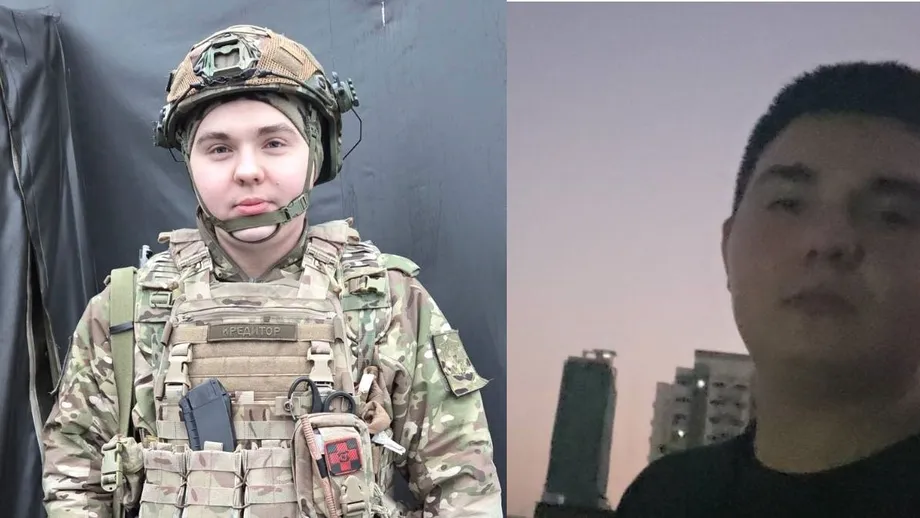
Ukraine's Defence Intelligence Directorate, known as HUR, published its account on October 27. It identified the man by the initials MT, said he was born in 1978 and described him as a former taxi driver in Jakarta. A more detailed account identified him as Muhammad Taufiq, 48, a resident of Surabaya in East Java.
The Indonesian Embassy in Moscow is checking his identity, military status and reported death. Indonesian authorities have yet to independently confirm the account, the circumstances of recruitment or the military status of other Indonesians named by Ukrainian intelligence. Mewengkang said verification would respect personal data protection and asked the public to avoid speculation. No date was given for completion of the embassy's checks.
What Indonesia wants Moscow to change
Indonesia is seeking a formal designation as a country whose nationals are excluded from Russian military recruitment. Such a designation would turn Jakarta's objection into a standing restriction covering Indonesian citizens, rather than a request concerning only one person.
Mewengkang said the exclusion should apply through any recruitment channel. The wording covers recruitment into the military itself as well as other formations related to military activity. Jakarta is also directing attention to recruitment practices that may constitute human trafficking.
For Indonesians looking for work overseas, the practical issue is where a job offer leads. An approach made through an employment search can eventually involve a military contract, training and deployment. Indonesia's request addresses that route into service alongside formal recruitment of foreigners.
From a job search to a military contract
HUR's account describes Taufiq as someone with several kinds of civilian work experience. Besides driving a taxi in Jakarta, he had worked as a manager at an agricultural company and had worked in the United States. The account also said he spoke English.
Russian recruiters allegedly contacted him after obtaining a curriculum vitae he had submitted while seeking employment. Ukrainian investigators suggested that the prospect of relatively easy earnings attracted him to the offer. The published account gives no amount for the promised pay.
According to HUR, Taufiq signed a contract for one year on April 19, 2026, in Korolyov, near Moscow. He was assigned to operate a machine gun and sent to a military training facility near Voronezh, where he spent approximately a week and a half before deployment.
HUR said he entered Ukrainian territory occupied by Russia in early May and died in his first battle. It placed the fighting along a Russian advance from Zelena Dolyna toward Novoselivka and Drobysheve in the Donetsk region. The account describes a rapid move from civilian employment seeking to combat, with only a short period of military preparation.
The dates behind the reported death
The October announcement concerned events that Ukrainian intelligence placed several months earlier. The contract date, training period and reported deployment help explain the sequence, while Indonesia's diplomatic response became public after the death was announced.
- April 19, 2026: According to HUR, Taufiq signed a military contract for one year in Korolyov.
- After signing: He reportedly trained near Voronezh for about a week and a half and was assigned as a machine gun operator.
- Early May 2026: HUR said he was sent into Ukrainian territory occupied by Russia and died during his first battle, about a week after reaching the front.
- September 2026: Ukraine's Foreign Intelligence Service released documents that it said identified at least eight Indonesian recruits.
- October 27, 2026: HUR publicized the reported death on social media.
- October 30 and November 1, 2026: Statements from Mewengkang detailed Indonesia's diplomatic request and the embassy's verification work.
The reported contract ran for a year, while the time between reaching the front and his reported death was approximately one week. Those two figures show how quickly the promised period of employment became a fatal battlefield assignment in the Ukrainian account.
Earlier allegations involved at least eight Indonesians
Ukraine's Foreign Intelligence Service had already alleged a broader recruitment effort in September. It released documents that it said identified at least eight Indonesian citizens who had entered Russia's armed forces.
The agency named Yuda Putra Pratama, Haryanto Dwi Kencana, Erwanda, Ngangun Hudri Fadli, Muhammad Syaripudin, Hadi Maulana, Wahyu Oktavian Iskandar and Helmi Nuraha Hakim. That disclosure came from a different Ukrainian body from HUR, the military intelligence agency that later announced MT's reported death.
Indonesia's response consequently concerns the possibility of multiple recruits, as well as the circumstances of one reported fatality. Mewengkang said the Foreign Ministry was coordinating with the embassy in Moscow and relevant parties on protection for Indonesian citizens and on possible deception or exploitation during recruitment.
Why officials are examining possible trafficking
The Foreign Ministry is investigating whether people seeking employment were deceived or exploited as they entered military service. Human trafficking can involve recruiting or moving a person through deception or coercion for exploitation. In an overseas employment case, the work promised and the work actually required are central parts of that inquiry.
Taufiq's reported recruitment through a submitted CV makes the employment process especially relevant. Officials examining possible fraud would need to establish how recruiters approached him, what work and payment they described, and what he understood when signing the contract.
Indonesia's Director General of Immigration, Hendarsam Marantoko, said oversight would be tightened at an earlier stage to prevent citizens from becoming trafficking victims or being recruited as mercenaries in Russia. His proposed response includes technology based cyber patrols to monitor and block illegal advertisements for overseas jobs circulating on social media.
Monitoring advertisements targets the point at which prospective workers first encounter recruiters. The embassy's checks, by contrast, concern what happened after an Indonesian citizen had reportedly entered Russian military service. Together, the measures address recruitment before departure and protection after a person has reached another country.
Foreign service carries citizenship risks
Indonesia's 2006 Citizenship Law allows an Indonesian national to lose citizenship for voluntarily entering foreign military service without prior permission from the president. The rule creates a legal risk alongside the immediate danger of combat.
Voluntary entry and presidential permission are central to that provision. The ministry's examination of possible deception and exploitation therefore matters to understanding how individuals entered service, as well as whether they require protection as victims of recruitment abuses.
Mewengkang urged Indonesians considering work abroad to verify offers through authorized institutions, be wary of unusually attractive compensation and avoid signing contracts they do not understand. She also advised citizens to consider the safety risks and legal consequences of involvement in a foreign military.
For a prospective worker, checking the employer and understanding the contract are separate tasks. A person needs to know who is recruiting them, what duties the agreement requires and where those duties will be performed. The warning is particularly urgent when an employment offer could lead to weapons training or deployment into a war.
A recruitment dispute within an existing military relationship
Indonesia's demand comes within an established military relationship with Russia. In March 2026, the Russian submarine Petropavlovsk-Kamchatsky, the corvette Gromky and the tug Andrey Stepanov arrived at Tanjung Priok in North Jakarta for a visit involving training and military diplomacy.
The Russian naval visit included planned exercises in maneuvering and communication, meetings and public access to the vessels. It followed earlier naval exchanges, including the first bilateral Orruda exercise near Surabaya in November 2024.
Jakarta is now using diplomatic channels within that relationship to seek a specific protection for its citizens. The immediate priorities are to establish what happened to the reported recruit, examine possible abuses in recruitment and secure a restriction intended to prevent further Indonesians from entering Russian military formations.
Key Points
- Indonesia has formally asked Russia to exclude its citizens from all military recruitment channels and related formations.
- HUR reported on October 27, 2026, that an Indonesian recruit died about a week after reaching the front in Ukraine.
- The detailed Ukrainian account identified him as Muhammad Taufiq and placed his contract signing on April 19, followed by deployment in early May.
- The Indonesian Embassy in Moscow is verifying his identity, military status and reported death while protecting personal data.
- Officials are examining possible fraud, exploitation and trafficking, while immigration authorities plan stronger monitoring of illegal job advertisements.
- Indonesia's citizenship law provides for loss of citizenship when a national voluntarily enters foreign military service without presidential permission.