European Union Condemns Tajikistan Over Vladimir Putin Visit
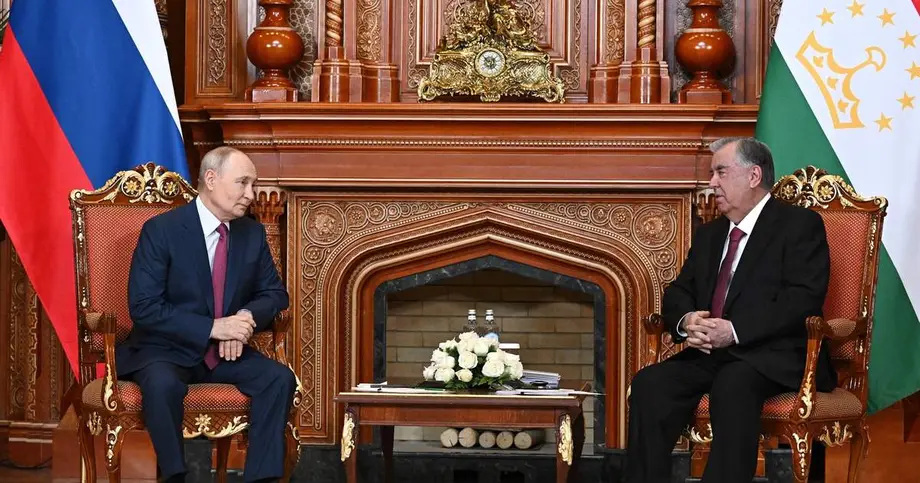
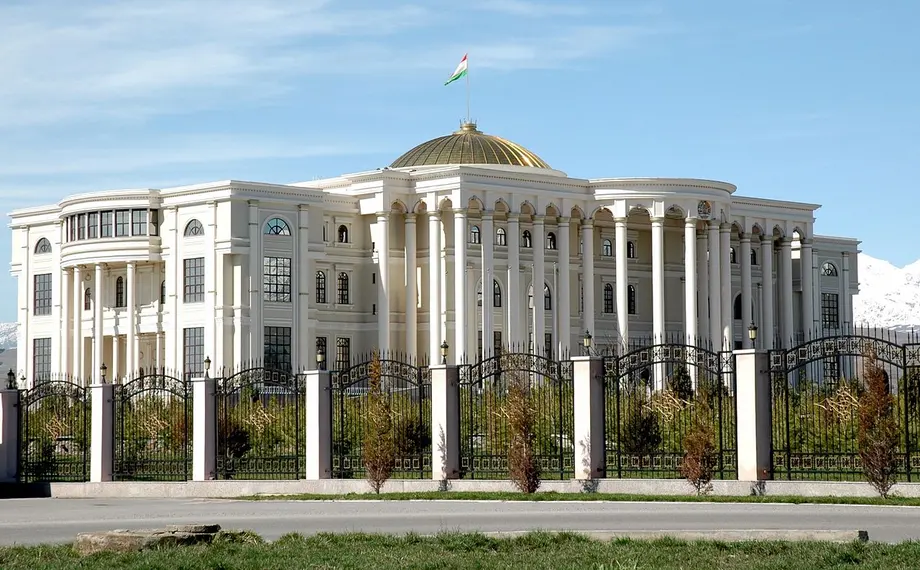
The European Union has expressed deep regret over Tajikistan hosting Russian President Vladimir Putin during a working visit that took place on 19 and 20 November 2026. The official criticism focuses on Tajikistan failing to honor its legal duties under the Rome Statute, which is the foundational treaty of the International Criminal Court (ICC). The court issued an arrest warrant for Vladimir Putin in March 2023, accusing him of responsibility for the unlawful deportation and transfer of children from occupied Ukrainian territories into Russia following the full-scale invasion that started in February 2022. Because Tajikistan is a signatory to the Rome Statute, European officials argue that local authorities were legally bound to detain the Russian leader upon his arrival in Dushanbe rather than welcome him for bilateral talks.
Contents
The official position of the bloc was detailed in a statement released by the European External Action Service (EEAS), which monitors foreign policy and diplomatic relations for the European Union. Brussels reiterated its strongest support for accountability regarding war crimes and human rights violations stemming from the conflict in Ukraine. The diplomatic service emphasized that crimes threatening global peace and security must not go unpunished and called upon all member states to fully cooperate with the international tribunal by executing pending arrest warrants without delay.
The Official Response And Legal Arguments From Dushanbe
Tajik authorities defended their decision to host the Russian president by pointing to regional agreements and security commitments involving Moscow and the Commonwealth of Independent States (CIS). Representatives in Dushanbe informed judges in The Hague that detaining Vladimir Putin would breach international commitments regarding the immunity and movement of sitting heads of state. The government also cited strategic partnership considerations and political realities tied to its close economic and security relationship with the Russian Federation.
International judges previously rejected those justifications, ruling that outside agreements cannot override obligations established under the Rome Statute. The legal dispute escalated significantly when the ICC formally referred the non-cooperation matter to its governing body, the Assembly of States Parties. Tajikistan was invited to appear before the Bureau of the Assembly to explain its position and discuss future cooperation, shifting the controversy from a courtroom battle into a broader political test for the international justice system.
Details Of The Bilateral Agenda In Dushanbe
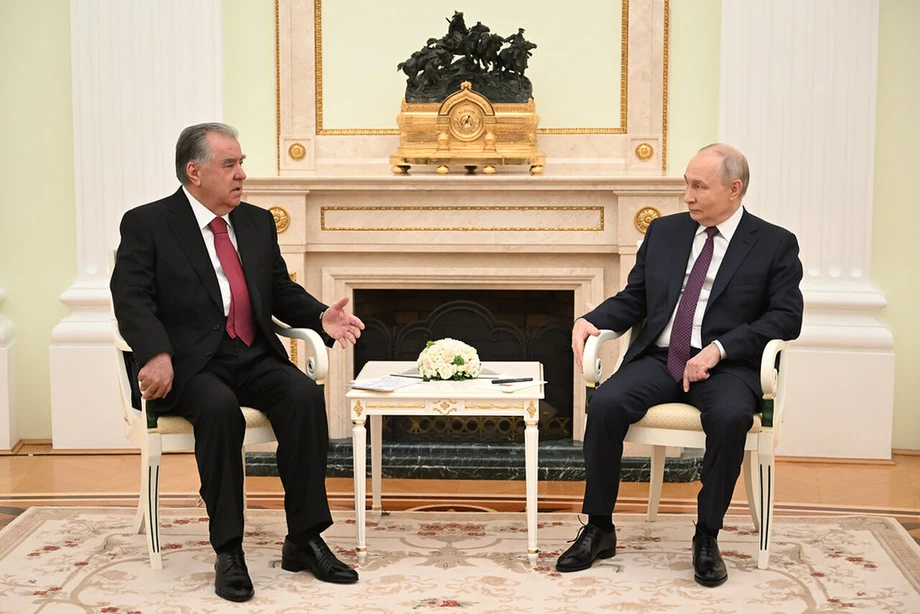
Presidents Vladimir Putin and Emomali Rahmon used the November meetings to discuss a wide range of bilateral topics, including regional security, trade, and border stability. Russian state media reported that the visit was initiated after Emomali Rahmon invited his counterpart while attending a summit of the Collective Security Treaty Organization (CSTO) in Moscow. The leaders focused heavily on the security situation along the border with Afghanistan, a region where Russia maintains a strong military presence.
Another central topic on the agenda was the operational status of Russia's 201st military base located in Tajikistan. Moscow views this installation as a primary guarantor of stability across Central Asia. Additional discussions covered labor migration patterns, economic investments, and cooperative projects designed to strengthen ties between Moscow and Dushanbe amidst shifting geopolitical pressures.
Parliamentary Moves And Regional Context
The diplomatic friction surrounding the visit coincides with legislative steps taken by Tajik lawmakers regarding international treaties. In October 2026, the Majlisi Namoyandagon, which serves as the lower house of the Tajik parliament, approved the country's withdrawal from the International Criminal Court. That exit is set to become officially effective one year after formal notification is delivered to the United Nations secretary-general.
Human rights organizations and foreign observers noted that several international actors urged Dushanbe to reconsider its departure from the court. Analysts suggested that the withdrawal attempt reflects an effort by Tajik leadership to avoid future diplomatic confrontations with Moscow, which remains one of the nation's most vital economic and strategic partners.
Timeline Of Key Developments
- March 2023: The International Criminal Court issues an arrest warrant for Vladimir Putin over alleged war crimes in Ukraine.
- October 2025: Vladimir Putin visits Tajikistan for regional summits, and the ICC later rules that Dushanbe failed to execute the arrest warrant.
- March 2026: Judges reject Tajikistan's head-of-state immunity arguments and refer the non-cooperation dispute to the Assembly of States Parties.
- May 2026: The ICC officially hands the Tajikistan dispute to its member states, inviting local authorities to explain their position to the governing bureau.
- October 2026: The lower house of Tajikistan's parliament approves legislation to withdraw the country from the ICC.
- November 2026: Vladimir Putin completes another working visit to Tajikistan, prompting renewed criticism from the European Union.
Broader Enforcement Challenges Facing The Hague
The situation in Tajikistan mirrors similar diplomatic crises involving international arrest warrants and state compliance. In September 2024, Vladimir Putin traveled to Mongolia, which is also a party to the Rome Statute, without facing detention. Mongolian authorities defended their inaction by citing heavy economic dependence on neighboring nations for fuel and electricity, alongside a strict policy of state neutrality. The ICC subsequently found Mongolia in violation of its treaty obligations and referred that matter to member states as well.
Because the international tribunal commands no independent police force, it relies entirely on national governments to enforce its rulings. This structural limitation exposes the court to geopolitical compromises whenever powerful leaders visit countries bound by treaty obligations. Similar tensions emerged when former Sudanese President Omar al-Bashir traveled abroad after receiving warrants, and when other world leaders visited states currently reconsidering their relationship with the international judiciary.
The Bottom Line
- The European Union criticized Tajikistan for hosting Vladimir Putin on 19-20 November 2026, citing a failure to honor Rome Statute obligations.
- The ICC previously ruled that Tajikistan violated international law by failing to arrest the Russian president during a previous visit in October 2025.
- Tajikistan justified its lack of action by pointing to regional agreements, head-of-state immunity, and its strategic partnership with Moscow.
- The Tajik parliament approved a formal withdrawal from the ICC in October 2026, a process that takes one year to finalize.
- The ICC referred the non-cooperation dispute to its Assembly of States Parties, placing pressure on member nations to address enforcement gaps.