Building Resilience Against Climate Shocks
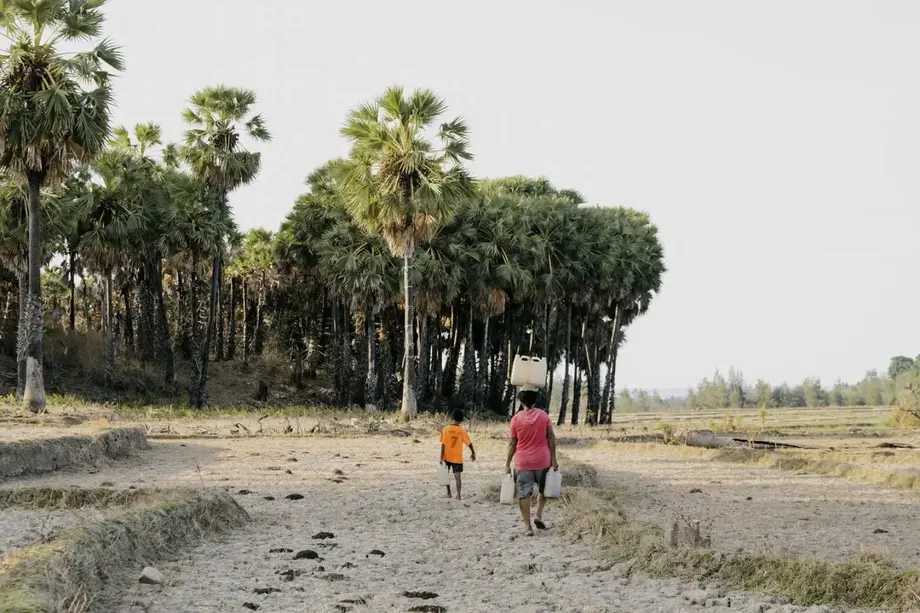
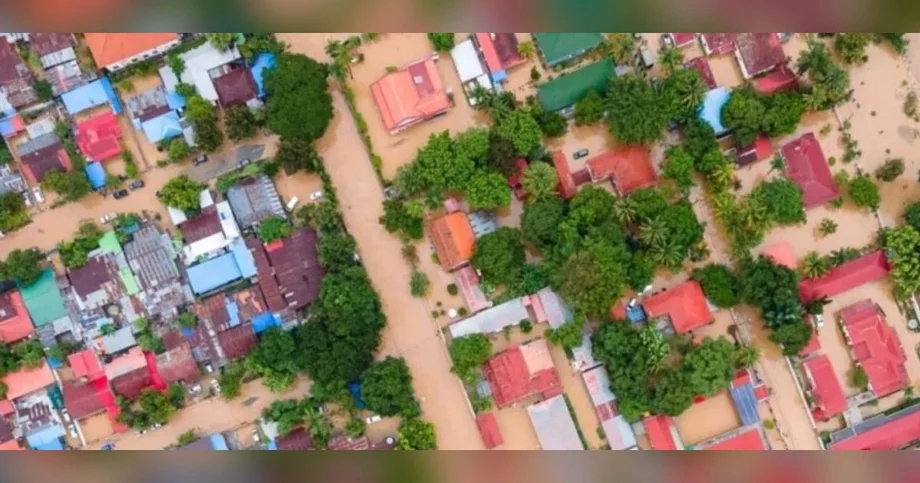
Timor-Leste is taking definitive steps to protect its citizens from recurring environmental threats by formulating its first national strategy to reduce disaster risks. The island nation faces severe vulnerability, where a single torrential downpour can wash away mountain roads, isolate farmers from markets, keep children out of classrooms, and cut off clinics from vital medical supplies. Floods, landslides, droughts, earthquakes, strong winds, and coastal hazards constantly threaten the country, while climate change intensifies these dangers. Nearly 70 per cent of the rural population is exposed to hazards, relying heavily on rain-fed agriculture that leaves them vulnerable to erratic rainfall and prolonged dry seasons. The devastating floods of April 2021, triggered by Tropical Cyclone Seroja, underscored the urgent need for systemic reform by causing widespread loss of life, home destruction, and crop failure.
Contents
To combat these compounding vulnerabilities, the government is collaborating with international partners to transition from a reactive crisis response to long-term anticipation and prevention. The civil protection authorities are leading the charge to embed risk reduction across all government sectors and public budgets. Officials and experts emphasize that disaster management is not merely a humanitarian concern, but a fundamental development challenge that impacts economic growth, infrastructure longevity, and food security. The ongoing strategy development represents a shift toward safeguarding hard-won development gains and ensuring that future growth is resilient against climate shocks.
The creation of this comprehensive framework is supported technically by the United Nations Office for Disaster Risk Reduction and funded by the Government of Portugal through Timor-Leste charts a path towards its first national disaster risk reduction strategy published by the international organization. This collaborative framework brings together diverse government ministries, United Nations agencies, and civil society organizations to forge a unified national approach. By addressing underlying drivers such as environmental degradation, fragmented risk data, and unequal access to basic services, the nation aims to establish robust institutional structures capable of withstanding future environmental stresses.
From Training Rooms to National Consultations
The journey toward the national strategy began in earnest with targeted capacity-building workshops involving government personnel and community leaders. A foundational three-day training session took place in late September 2025, bringing together 40 government officials in the capital of Dili to learn, debate, and plan initial frameworks. This momentum culminated in a major national consultation held from 20 to 22 October 2026, which gathered around 60 representatives from government institutions, civil society organizations, development partners, academia, and the United Nations. The discussions built upon prior governance milestones, expanding stakeholder engagement across all levels of society.
The multi-day consultations featured interactive risk mapping exercises and evaluations of current disaster management systems using international guidelines from the Sendai Framework for Disaster Risk Reduction. Participants examined gaps in existing protocols and established a formal task team led by the Civil Protection Authority to steer the strategy formulation. Secretary of State for Civil Protection Domingos Mariano Reis highlighted the necessity of shared responsibility across all government branches during the October 2026 workshop.
The ultimate goal is not only to respond better to disasters, but to build a Timor-Leste that is better prepared, safer, and more resilient before disasters occur.
The inclusive process ensured active participation from diverse groups, including local civil society organizations such as PERMATIL, Oxfam, Catholic Relief Services, and Ra'es Hadomi Timor Oan, a national organization representing persons with disabilities. Ambassador of Portugal Duarte Alves drew upon his home country experiences with coastal erosion and wildfires to emphasize the necessity of proactive safety measures when natural hazards strike.
We cannot prevent an earthquake. We cannot prevent a tsunami. Therefore, the only solution within our reach is prevention and proactive action to protect populations.
Echoing these sentiments, United Nations Resident Coordinator Funmi Balogun-Alexander stressed that protective measures safeguard broader societal investments. The collaborative sessions concluded with a shared vision for institutional resilience, aligning national efforts with global Sustainable Development Goals.
Prevention is not only about avoiding disasters. It is about protecting development, protecting investment, and above all, protecting people.
Core Priorities for a Safer Future
Participants in the national consultations identified seven strategic priorities to guide the final formulation of the disaster risk reduction strategy. These pillars cover essential areas of governance, risk awareness, and community empowerment designed to transform the country's disaster management landscape. The planned measures establish a roadmap for sustainable development and cross-sector coordination.
- Better risk information to strengthen disaster risk assessments, loss databases, and data-sharing arrangements.
- Early warnings that reach everyone through the expansion of multi-hazard alert systems and accessible communication tools.
- Stronger governance and coordination by clarifying institutional responsibilities across all levels of government.
- Investing in prevention by integrating risk reduction into development planning, public budgeting, and investment decisions.
- Empowering municipalities and communities by building local capacities and strengthening grassroots risk management.
- Climate resilience and inclusion to ensure adaptation efforts prioritize vulnerable populations like women and children.
- Preparedness, recovery, and building back better so that post-disaster reconstruction reduces future risks.
These seven priorities form the backbone of the strategic document currently undergoing rigorous multi-agency review. The strategic framework intentionally incorporates marginalized groups, ensuring that women, children, and persons with disabilities actively contribute to disaster preparedness policies and community solutions.
Multisectoral Collaboration and Institutional Roles
Developing a unified national strategy requires coordination across numerous government ministries and specialized international agencies. The Civil Protection Authority serves as the central coordinating body, supported by a newly activated task team and an impending National Council for Civil Protection that will coordinate policy at the highest levels of government. Line ministries responsible for finance, planning, education, social solidarity, agriculture, state administration, and tourism and environment are currently reviewing the draft text alongside the National Statistics Institute.
International development partners play a crucial role in providing technical expertise, funding, and operational support across multiple sectors. Agencies such as the Food and Agriculture Organization, the World Food Programme, UNICEF, the United Nations Development Programme, and the United Nations Environment Programme contribute specialized knowledge in food security, sustainable infrastructure, and climate adaptation. Financial backing from the Green Climate Fund and the Joint SDG Fund facilitates climate-proofing initiatives for critical infrastructure like roads, bridges, irrigation systems, and water supply networks.
Civil protection officials emphasize that local communities remain at the center of these resilience-building efforts. The World Food Programme is currently assisting in the development of the nation's first national social registry, integrating climate risk data into poverty analysis so social protection systems can disburse aid rapidly when shocks occur. Meanwhile, community outreach utilizes innovative communication tools, including solar-powered megaphones and creative awareness campaigns, to ensure early warnings translate into immediate, life-saving actions.
Timeline of Key Developments
The systematic progression toward national disaster risk reduction involves a structured sequence of milestones spanning several years. The timeline illustrates the growing commitment of government bodies and international partners to institutionalize resilience planning:
- September 2025: Government officials participate in a three-day training program in Dili focusing on disaster risk governance.
- October 17, 2025: Formal announcement detailing training outcomes and plans for a national strategy targeting completion in the first half of 2026.
- October 20 to 22, 2026: A major national consultation convenes 60 stakeholders in Dili to shape the core priorities of the strategy.
- November 2026: Planned school-based tsunami evacuation exercise to mark World Tsunami Awareness Day and test community preparedness.
- 2027: Projected final approval and endorsement of the National Disaster Risk Reduction Strategy by the government following technical reviews.
These scheduled milestones reflect a deliberate progression from initial capacity-building workshops to comprehensive policy implementation across all administrative levels. The active participation of regional bodies and international diplomatic missions ensures that the strategy aligns with established global disaster reduction frameworks.
At a Glance
- Timor-Leste is drafting its first national disaster risk reduction strategy with technical support from the United Nations Office for Disaster Risk Reduction and funding from Portugal through Camões, I.P.
- Nearly 70 per cent of the rural population is exposed to climate hazards, driven by recurring floods, droughts, and the lasting impact of events like Tropical Cyclone Seroja.
- A founding national consultation held in Dili in October 2026 brought together 60 representatives to establish seven strategic priorities focusing on risk information, early warnings, and community inclusion.
- The finalized strategy is scheduled for government approval in 2027 following comprehensive ministerial reviews and technical validations.
- Civil protection leadership highlights a strategic transition from reactive emergency response to proactive, risk-informed sustainable development.