Kathmandu Ranks Among the World Most Polluted Cities
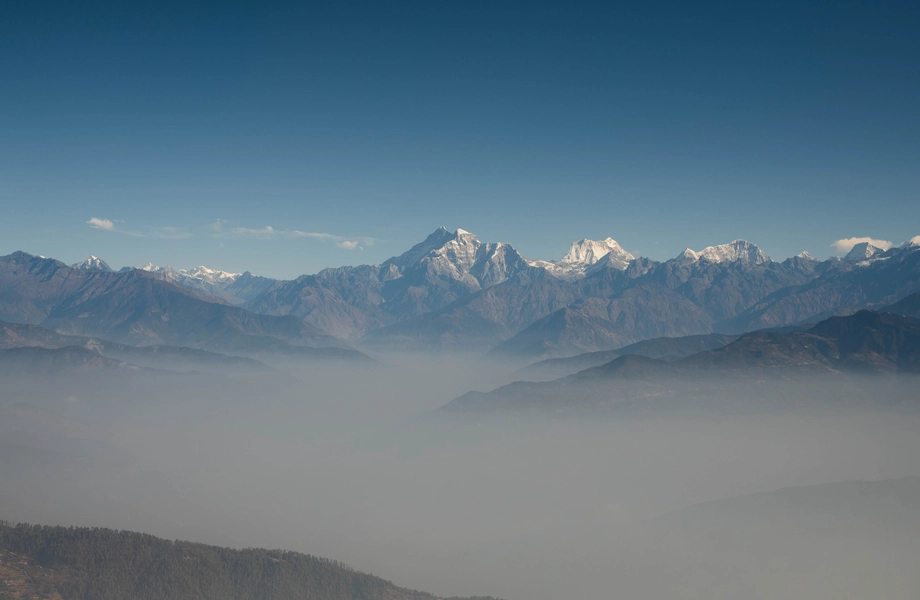
Kathmandu has earned an unwanted reputation for severe air pollution, recently ranking third among the world most polluted cities. This crisis is not a sudden occurrence but the result of years of mounting environmental pressures, rapid urbanization, and a lack of effective long term management by authorities. The geographical structure of the Kathmandu Valley, surrounded by hills that trap stagnant air during the dry winter season, further intensifies the accumulation of hazardous pollutants. While seasonal warnings and temporary advisories to wear masks are frequently issued, these short term measures fail to address the core drivers of the deteriorating air quality that residents face daily.
Contents
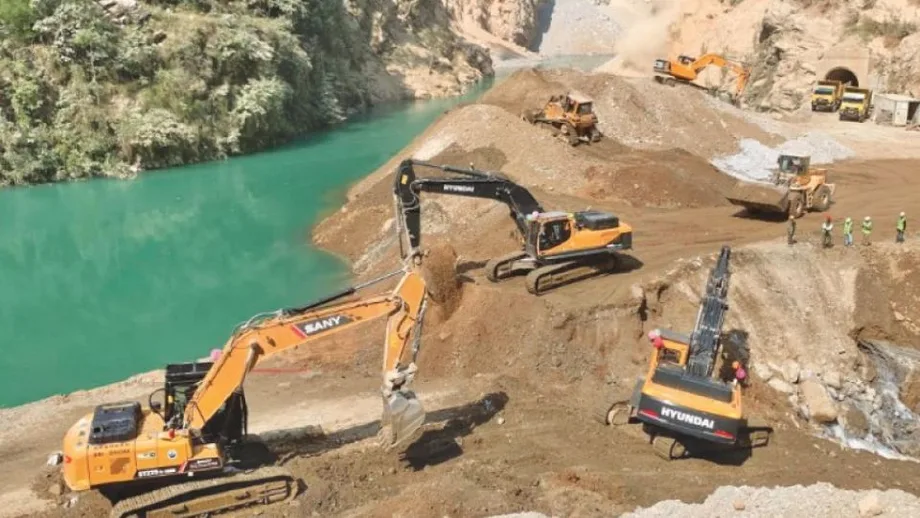
Air pollution in the region is driven by a combination of local emissions and regional weather patterns. Dust from poorly managed construction projects, vehicular exhaust, industrial emissions, and the open burning of waste contribute significantly to the toxic atmosphere. During the dry winter months, these local pollutants mix with smoke from pre monsoon forest fires across Nepal and agricultural residue burning. Meteorological conditions, including declining wind speeds and winter temperature inversions where cold air stays trapped near the ground, prevent pollutants from dispersing properly into the upper atmosphere.
Alarming Statistics Reveal Severe Health Toll
The human cost of this prolonged environmental crisis is immense, affecting millions of residents across the country. According to an ICIMOD analysis released on April 3, 2025, the air in Kathmandu was unhealthy for 75 of the preceding 90 days. On the day of the release, air quality monitoring stations recorded an Air Quality Index reading of 365 in Bhaktapur, representing hazardous conditions that pose severe risks to human health. Ambient fine particulate matter, known as PM2.5, consists of microscopic particles that can penetrate deep into the lungs and enter the bloodstream, triggering respiratory and cardiovascular diseases.
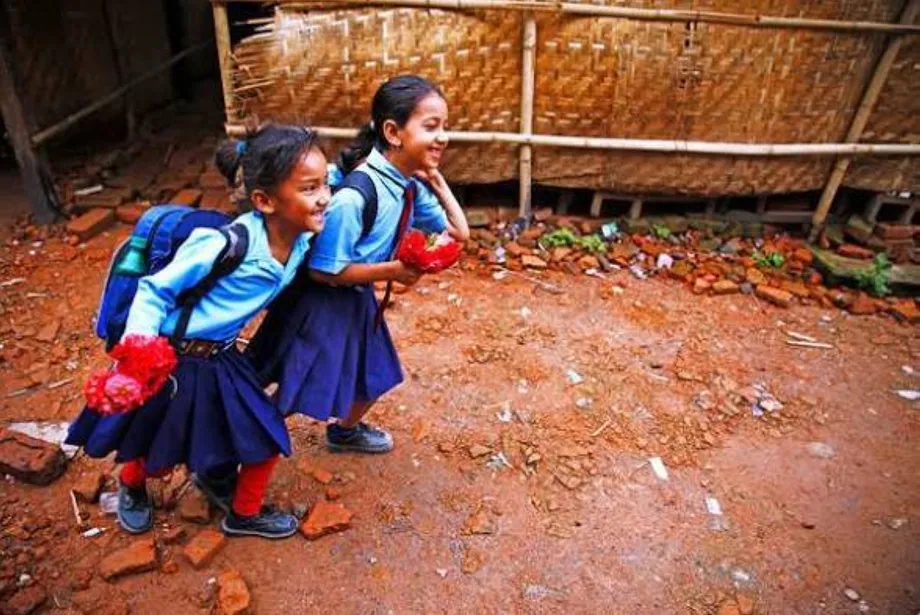
Public health data highlights the devastating mortality and morbidity rates associated with contaminated air. Research using secondary data sources indicates that ambient PM2.5 air pollution contributed to 48,000 deaths in Nepal in 2019. Furthermore, nationwide studies show that air pollution accounted for 19 percent of all mortality in 2021, cutting the average Nepali lifespan by 3.4 years. Vulnerable populations, particularly children whose lungs are still developing and elderly individuals with weaker immune systems, face the highest risks of chronic bronchitis, asthma, and lung cancer.
Medical facilities in the capital are already witnessing the immediate consequences of the winter smog. Kanti Children over fifty percent of medical outpatient department patients arriving since the onset of winter are children suffering from colds, coughs, and related respiratory complications. Hospital directors warn that untreated respiratory infections can quickly spread to the lungs and develop into pneumonia, occasionally requiring intensive care unit admission for young patients breathing heavily polluted air.
Cross Border Pollution and Climate Impacts
The pollution crisis extends beyond local sources, influenced by transboundary movement and broader climate dynamics. Weather patterns and western winds carry dust and smoke from infrastructure projects, vehicles, and factories across northern parts of India and neighboring regions toward Nepal. The Himalayan mountain range acts as a barrier that limits air movement, causing these foreign pollutants to settle alongside domestic emissions in the Kathmandu Valley. Additionally, black carbon emissions from forest fires act as powerful climate forcers that accelerate glacial melt in the Hindu Kush Himalaya region, with studies attributing up to 39 percent of regional glacial retreat to soot deposition.
Climate experts emphasize that long term strategies are urgently needed to curb forest fires, improve fire monitoring systems, and promote sustainable land management. While annual variations in rainfall can occasionally wash away pollutants, overall particulate concentrations have risen significantly over the past decades. Addressing these interconnected environmental challenges requires regional cooperation and coordinated cross sectoral approaches that protect fragile mountain ecosystems while securing cleaner air for millions of inhabitants.
Timeline of Recent Air Quality Developments
- January 1 to March 13, 2025: Kathmandu experiences 75 days of unhealthy air as documented by environmental analysts.
- April 3, 2025: Air quality monitoring dashboards record an extreme AQI reading of 365 in Bhaktapur, coinciding with the release of a major environmental impact report.
- November 19, 2026: Kathmandu Metropolitan City announces plans for an upcoming action plan as the city ranks third among global pollution hotspots.
- November 20, 2026: Local health authorities report a surge in pediatric respiratory admissions at children hospitals due to winter inversion and trapped smog.
- December 7 to 13, 2026: Kathmandu Climate Action Week convenes stakeholders to discuss mitigation measures and introduce new municipal frameworks.
Comparing current conditions with historical data reveals a worsening trajectory in national particulate concentrations. Average annual particulate matter concentrations increased by 49 percent between 1998 and 2022, underscoring the failure of past initiatives to curb long term pollution trends. While neighboring regions in South Asia have experienced minor fluctuations in air quality due to seasonal rainfall patterns, the persistent failure to enforce strict emission standards keeps exposure levels well above World Health Organization safety guidelines across the entire population of 30.7 million people.
Local initiatives have emerged in response to the growing crisis, though their success varies widely depending on community involvement. Municipalities such as Lalitpur have promoted cycling infrastructure, while Hadigaon has experimented with pedestrianization efforts supported by local residents. Environmentalists stress that top down directives often fail without grassroots participation, making community ownership a vital component of any successful urban transformation.
Mismanaged Funds and Political Apathy
Despite the severe health and economic burdens imposed by toxic air, critics point to a profound lack of political will and accountability within government institutions. For nearly two decades, the government has collected billions of rupees in pollution control fees levied on the sale of petrol and diesel. According to the 62nd Annual Report of the Office of the Auditor General, Rs 26.863 billion has been collected in these specific fees over an 18-year period, yet the funds remain largely unspent or trapped within the Ministry of Finance rather than reaching the Department of Environment.
Department officials note that if even a fraction of these collected revenues were allocated toward environmental management, monitoring stations could be repaired and modern pollution control technologies deployed. Out of 30 air pollution monitoring stations established across the country, only about half remain operational due to budgetary constraints. Environmental experts argue that treating air pollution as a seasonal inconvenience rather than a permanent public health emergency prevents meaningful progress.
As environmentalist Bhushan Tuladhar noted regarding public and governmental responses, public outcry tends to emerge only when winter smog peaks and breathing becomes difficult, fading away once seasonal rains temporarily clear the atmosphere. To combat this cycle, civil society groups and researchers advocate for strict regulatory measures, rigorous enforcement of vehicular emission standards, and the rapid expansion of electric public transportation.
Municipal Action Plans and Future Solutions
Recognizing the mounting pressure from citizens and scientists, local authorities have begun outlining more structured responses to the crisis. Kathmandu Metropolitan City Acting Mayor Sunita Dangol announced that a comprehensive air pollution control action plan will be unveiled during the Kathmandu Climate Action Week scheduled from December 7 to 13, 2026. The week long initiative aims to bring together the private sector, scientists, civil society, and farmers to formulate practical mitigation strategies.
The proposed municipal framework seeks to establish better coordination between local municipalities, provincial governments, and federal agencies to tackle industrial emissions, vehicular pollution, and waste burning. Experts emphasize that transitioning toward renewable energy represents one of the most effective solutions available to Nepal. With the country generating over 3,000 megawatts of clean hydropower, expanding domestic electricity demand through the electrification of public transport and household cooking appliances offers a clear path toward reducing reliance on imported petroleum products.
Prashant Khanal, an expert on air pollution and climate mitigation, highlights the necessity of robust regulatory frameworks over mere individual awareness campaigns. While citizens are advised to wear masks and limit outdoor activities during hazardous days, systemic interventions remain essential for safeguarding public health. Allocating dedicated financial resources for pollution mitigation, enforcing stringent industrial emission limits, and prioritizing domestic clean energy adoption can significantly improve air quality and prevent thousands of premature deaths each year.
The Bottom Line
- Kathmandu ranked third among the world most polluted cities, with winter inversions trapping toxic PM2.5 particles close to the ground.
- Air pollution contributed to tens of thousands of annual deaths in Nepal, accounting for 19 percent of all national mortality.
- Over Rs 26 billion collected in consumer pollution control fees over 18 years has remained largely unutilized by environmental authorities.
- Kathmandu Metropolitan City announced a new municipal action plan to be launched during Climate Action Week to coordinate multi-sectoral emission reductions.
- Transitioning to domestic hydropower, expanding electric public transport, and enforcing strict regulatory measures are identified as essential steps for securing clean air.