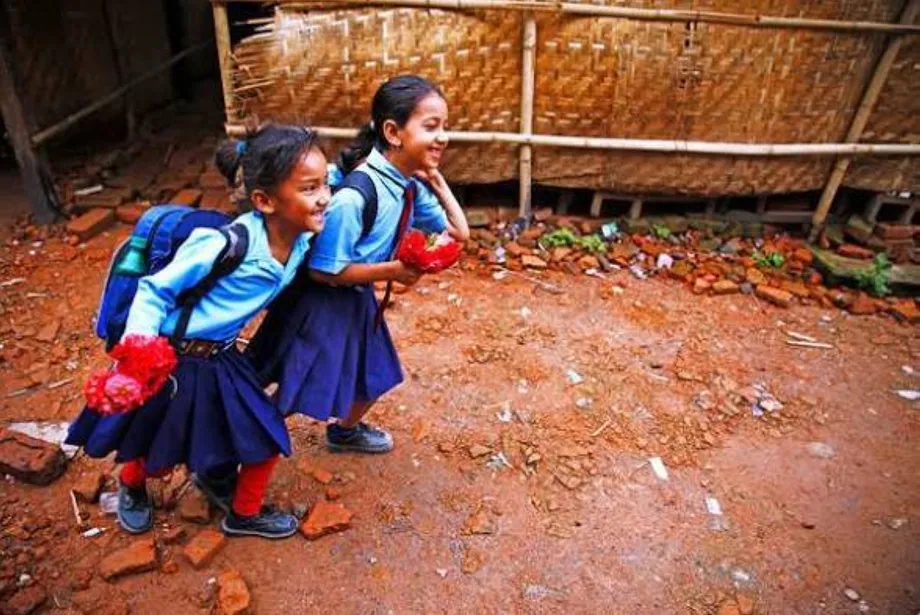
Millions of children face overlapping threats
Nepal has 9.9 million children exposed to unhealthy air pollution, 7.3 million exposed to drought and 5.7 million exposed to extreme hot days, according to a UNICEF advocacy brief released on November 5, 2026. An estimated 2.4 million children face several climate hazards of high intensity, making it harder for families to recover when disasters strike.
Contents
- Millions of children face overlapping threats
- Air pollution leads a broad pattern of exposure
- Drought and heat reach into daily life
- Water and nutrition gaps increase vulnerability
- The children with the fewest resources face greater risks
- Flood damage takes more than classrooms
- Nepal's declaration sets a public commitment
- Where UNICEF wants climate funding to go
- Young people seek a role in decisions
- Key Points
The brief, Growing Up in a Climate Hotspot: The Risks Shaping the Lives and Futures of Nepal's Children, draws together national and global data. Its central warning reaches beyond floods, heat and damaged buildings: environmental pressures are threatening the health, food, schooling and protection that children need every day.
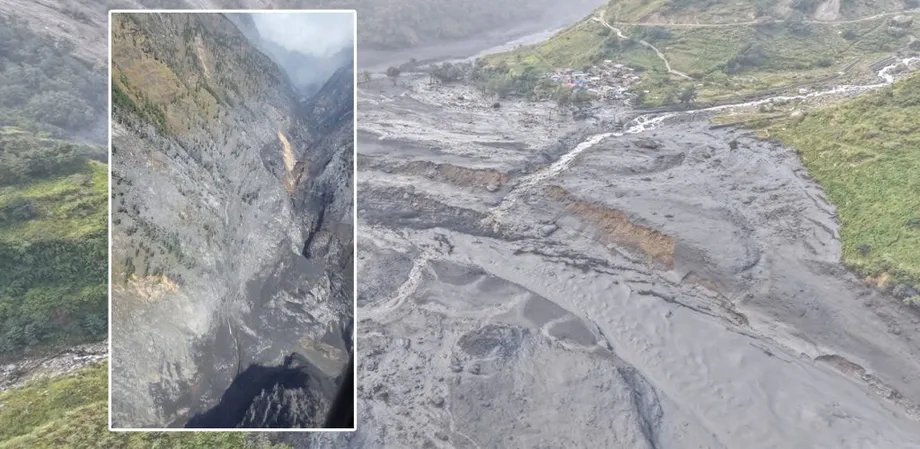
UNICEF also estimates that 2.9 million children are exposed to landslides triggered by rainfall. The figures cover overlapping groups of children, with some facing several threats in the same place.
The findings come as Nepal prepares to participate in COP31, the United Nations climate conference in Türkiye, following its endorsement of the Declaration on Children, Youth and Climate Action on October 29. UNICEF wants that commitment carried into government budgets, public services and decisions about where climate money goes.
Alice Akunga, UNICEF representative to Nepal, described the threat in terms of children's rights:
The climate crisis is increasingly becoming a child rights crisis.
Akunga said the consequences reach across the foundations of childhood:
Children have contributed least to climate change, yet they are among those bearing its greatest consequences. Every flood, drought, heatwave and pollution episode threatens children's health, nutrition, education and protection.
Air pollution leads a broad pattern of exposure
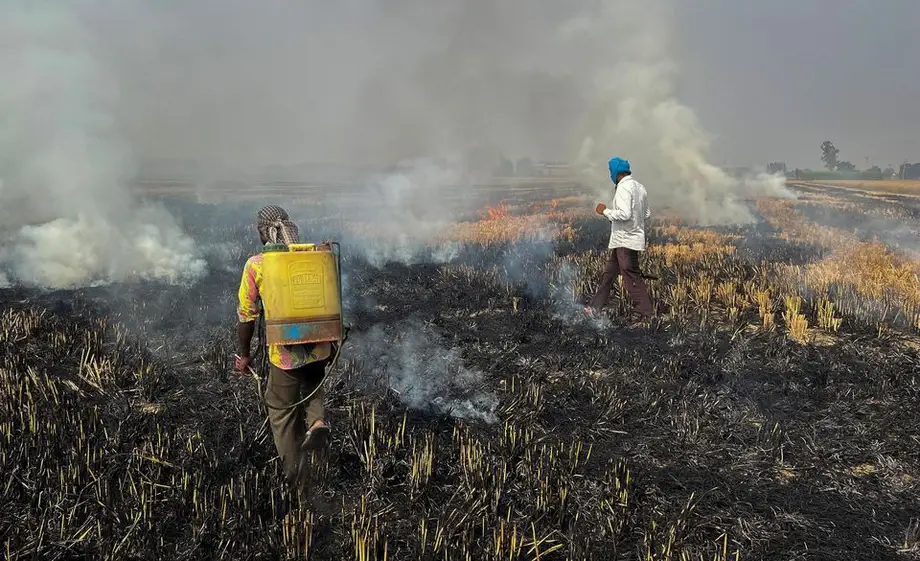
Unhealthy air reaches the largest number of children among the threats quantified in the brief. At 9.9 million, the number exposed to air pollution is 2.6 million higher than the 7.3 million exposed to drought.
UNICEF places pollution alongside climate and disaster risks because these pressures can affect the same children and the services supporting them. A child living with unhealthy air may also experience extreme heat, water shortages or disruption to school during heavy rainfall.
The estimate of 2.4 million children facing multiple climate hazards of high intensity gives particular urgency to planning across several services. Families recovering from one emergency may have little time or money to prepare for another.
For public authorities, the practical challenge is to consider a child's surroundings together: the air they breathe, the reliability of their water supply, the safety of their school and the ability of nearby health services to keep operating.
Drought and heat reach into daily life
Drought exposure affects 7.3 million children, with risks extending from drinking water to family livelihoods, agricultural production and nutrition. When water becomes scarce, households and farms face pressure at the same time, linking children's health to the resources available at home.
Food production matters because families depend on agriculture both for what they eat and for income. UNICEF's findings connect drought with nutrition through these everyday needs, rather than treating water shortages as an isolated environmental problem.
Extreme hot days expose another 5.7 million children to risks affecting health, wellbeing, learning and daily routines. Heat therefore belongs in decisions about education and health services as well as emergency planning.
UNICEF's call for adaptation means preparing for these pressures and reducing their harm. In this case, the agency is asking governments to make essential services more reliable under difficult climate conditions, with children's needs built into the design and funding.
Water and nutrition gaps increase vulnerability
Only 47.5 percent of Nepal's population has access to safely managed drinking water, the brief says. That leaves 52.5 percent, slightly more than half, without that level of service. Safely managed drinking water means water from an improved source that is available when needed, accessible at home and free from contamination.
UNICEF pairs that figure with two other measures of vulnerability: one in four children under five is stunted, and 22 percent of children live in multidimensional poverty.
Stunting means a child is too short for their age and reflects prolonged problems with nutrition, health or both. Multidimensional poverty measures overlapping disadvantages in daily life, rather than looking at income alone.
These conditions help explain why a climate shock can have consequences long after floodwater recedes or temperatures fall. Children already facing inadequate nutrition or limited services have fewer resources supporting their recovery.
UNICEF says climate shocks are also increasing the risks of disease outbreaks, child labour, child marriage and interrupted education. Its proposed response connects health and nutrition with water, sanitation, schooling and services that protect children from harm.
The children with the fewest resources face greater risks
Children living in poverty, girls, children with disabilities and children from historically marginalised communities face disproportionately high risks, according to the brief. Children in remote areas vulnerable to climate hazards also face greater difficulty coping with disasters and recovering afterward.
UNICEF is asking governments and funding institutions to account for age, gender and disability when investing in services. A service must remain usable and reachable for the children who need it, including during an emergency.
National and local governments are also being urged to use disaggregated climate risk data focused on children. Disaggregated data means figures broken into smaller groups, such as by location, age, sex or disability, so planners can see where needs differ.
Countrywide totals show the scale of exposure. More detailed information can help authorities decide which communities need priority investment and which services require changes to reach children facing the greatest difficulties.
Flood damage takes more than classrooms
Jayanti Bam, 16, UNICEF Nepal Youth Advocate for Climate Action, said children's experience of climate change is already immediate:
Climate change is not a future problem for children; it is already affecting our lives today.
In a first-person account, Bam recalled learning through a video that her school would close for several days because of a flash flood two years earlier. Watching unseasonal rain flood the streets brought dread rather than the pleasure she might otherwise have felt at a school closure. She described that experience as the moment climate change became part of her daily life.
Bam described the wider losses children experience when flooding damages a school:
When floods damage schools, children don't just lose classrooms. We lose learning opportunities, routines, friendships and a sense of safety.
Her comments connect physical damage with the daily structure that schools provide. Rebuilding a classroom addresses one need; restoring regular learning, contact with friends and a secure routine addresses others.
In her account, Bam reflected on the August 26 floods, which affected an estimated 84,270 people, including 32,021 children in Rasuwa, Nuwakot and Dhading districts. She described the loss of homes and schools as a loss of learning opportunities, friendships, safety and hope, with children's aspirations pushed aside as families struggle to rebuild.
She also described how climate-related disasters can interrupt access to safe drinking water, healthcare, shelter and nutritious food. Poor nutrition can affect children's growth and ability to learn long after a disaster, while disruption can increase their exposure to violence, exploitation and neglect.
Bam urged decision makers to invest in schools and services that can withstand climate pressures. She also asked them to listen to children and give young people meaningful opportunities to help shape their future.
Her practical requests included safe temporary learning spaces and alternative learning options when schools close, continued access to drinking water and health services, and protection from violence, abuse, exploitation and child marriage. Addressing leaders preparing for COP31, she called for policies and investments that safeguard children's education, health, nutrition, safety and right to a healthy environment.
Nepal's declaration sets a public commitment
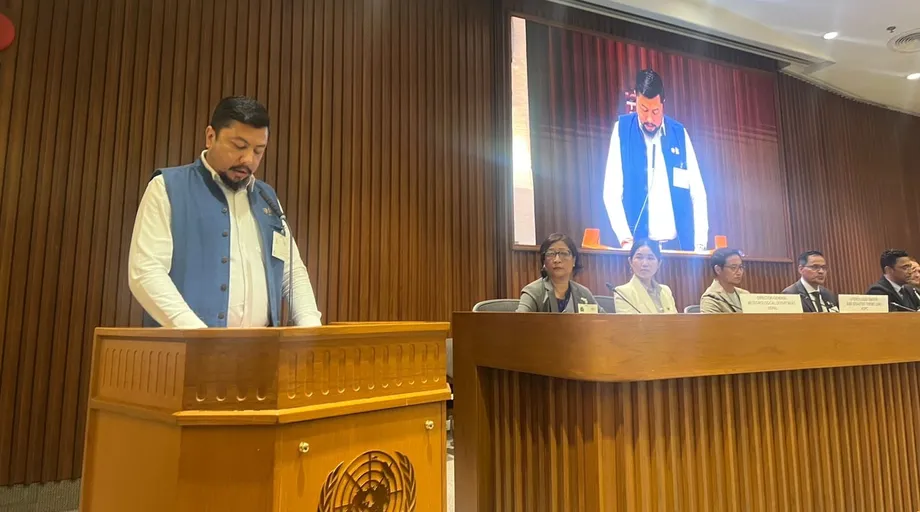
The government endorsed the Declaration on Children, Youth and Climate Action at the National Climate Summit on October 29. The declaration commits governments to climate action that recognises the rights, needs and contributions of children and young people.
Launched at COP25, the declaration has been endorsed by 78 countries. Nepal's endorsement builds on recognition of its climate planning as particularly responsive to children, according to UNICEF.
Nepal's Nationally Determined Contributions (NDC 3.0) is considered one of the world's most child-friendly climate plans. Bam welcomed that prioritisation in her account but said the commitments must lead to tangible changes in schools and communities rather than remain on paper.
The sequence places the new findings alongside a government commitment and an upcoming international handover:
- COP25: The Declaration on Children, Youth and Climate Action was launched.
- October 29, 2026: Nepal endorsed the declaration at its National Climate Summit.
- November 5, 2026: UNICEF released its advocacy brief on the risks facing Nepal's children.
- COP31 in Türkiye: Nepal's signed declaration is due to be formally handed to UNICEF representatives.
UNICEF is calling for children's rights and needs to be integrated across climate policies, adaptation plans, disaster risk reduction strategies and climate financing. This would connect the declaration's commitments with decisions about public spending and service delivery.
Where UNICEF wants climate funding to go
Governments, development partners and climate finance institutions are being asked to increase investment in adaptation that responds to children and in measures addressing loss and damage. Adaptation reduces harm from climate pressures; loss and damage concerns harm and losses that occur despite efforts to prevent or prepare for them.
UNICEF identifies health, nutrition, water, sanitation and hygiene, education, child protection and social protection as priorities. Social protection includes support that helps households meet basic needs and cope with shocks.
The request brings several parts of recovery together. A functioning school, reliable drinking water, nutrition support and help for a struggling household can all matter to the same child. UNICEF wants climate financing to account for those connected needs.
The private sector is being urged to support infrastructure that can withstand climate pressures, clean energy and innovations that protect children's wellbeing. The announcement gives no specific funding total or timetable for delivering these investments.
Young people seek a role in decisions
Children and young people are already leading local climate initiatives and advocating stronger action, the brief says. UNICEF wants their participation to extend into climate decisions at local, national and global levels.
Bam said she leads initiatives in her school and community focused on tree planting, waste management, water conservation and climate awareness. She argued that children bring first-hand experience and solutions, and that meaningful participation requires their views to be heard, valued and reflected in decisions, not simply a seat at a meeting.
Bam's appeal links participation with concrete priorities: safer schools, dependable services and opportunities to influence choices affecting young lives. UNICEF similarly asks governments to place children at the centre of policies, budgets and programmes.
Nepal's next international step is the planned handover of its declaration at COP31. The domestic task described by UNICEF is broader: direct investment toward the children facing the greatest exposure, strengthen the services they depend on and include them in deciding how those services should change.
Key Points
- UNICEF estimates that 9.9 million children in Nepal are exposed to unhealthy air pollution.
- Drought affects 7.3 million children, extreme hot days affect 5.7 million and rainfall triggered landslides threaten 2.9 million.
- About 2.4 million children face multiple climate hazards of high intensity.
- Only 47.5 percent of the population has safely managed drinking water, while one in four children under five is stunted.
- Nepal endorsed the Declaration on Children, Youth and Climate Action on October 29, ahead of a planned handover at COP31 in Türkiye.
- UNICEF seeks greater investment in essential services, detailed risk data and meaningful participation by children and young people.