A Historic Legal Milestone in The Hague
The International Court of Justice delivered a groundbreaking verdict on November 19, 2026, ruling that Myanmar committed genocide against the Rohingya Muslim minority during military operations in 2017. ICJ President Yuji Iwasawa read the decision in the Great Hall of Justice in The Hague, marking the first time in the eighty year history of the United Nations top judicial body that a sovereign state has been held responsible for the crime of genocide. The case, formally titled The Application of the Convention on the Prevention and Punishment of the Crime of Genocide, was brought by the West African nation of The Gambia in November 2019 with the backing of the 57 member Organization of Islamic Cooperation. Readers can review our International Court of Justice Finds Myanmar Responsible for Rohingya Genocide in Landmark Ruling for details on the trial proceedings and judicial findings. Judges determined by a nine to six majority vote that Myanmar security forces carried out acts prohibited under the 1948 Genocide Convention with the specific intent to destroy a substantial part of the Rohingya population.
Contents
- A Historic Legal Milestone in The Hague
- What the World Court Discovered in Rakhine State
- Orders for Reparations, Prosecution, and Return
- Voices from the Refugee Camps
- The Evolving Conflict and Local Realities on the Ground
- Global Implications for International Law
- Timeline of Key Developments
- The Essentials
The legal battle concluded after seven years of proceedings and involved interventions from eleven different states including Canada, France, Germany, and the United Kingdom. Genocide is a specific legal term under international law that requires proving acts such as mass killings or causing serious bodily harm were committed with the deliberate intent to destroy a protected group in whole or in part. Proving this intent is notoriously difficult because governments rarely leave written plans to exterminate a population. The World Court overcame this hurdle by examining the overall pattern of conduct, concluding that genocidal intent was the only reasonable inference that could explain the scale and brutality of the military campaign.
What the World Court Discovered in Rakhine State
Judges detailed harrowing findings regarding the military operations that began in August 2017 following border posts raids by the Arakan Rohingya Salvation Army. The court accepted estimates that at least 10,000 Rohingya civilians were violently killed, including infants and young children. Evidence presented during the proceedings demonstrated widespread acts of gang and mass rape, extreme violence against children, and the methodical burning of entire villages and farmland. According to court records, approximately 40 percent of settlements across three townships in northern Rakhine State were destroyed through arson and bulldozing, often with security force bases later built over the razed land.
The court examined how state policies compounded the physical violence by targeting the foundational existence of the Rohingya community. Judges noted that restrictions on marriage permissions and limits on family sizes were imposed to suppress birth rates among the minority group. Furthermore, the judgment addressed decades of systemic denial concerning Rohingya identity. Successive governments in Myanmar have labeled the population as illegal Bengali migrants and stripped them of legal status under the 1982 Citizenship Law. The world court rejected this premise, affirming that the Rohingya constitute a distinct ethnic group protected under international law.
Orders for Reparations, Prosecution, and Return
In addition to establishing state responsibility, the court issued binding directives requiring Myanmar to take concrete remedial actions. Myanmar must investigate and prosecute individuals responsible for the atrocities, provide guarantees that similar violations will not recur, and facilitate the safe, voluntary, and dignified return of displaced refugees. The court also ordered the government to restore lost property, reunite separated families, and offer financial compensation to victims, with the exact monetary amounts to be determined in a subsequent phase of proceedings. Myanmar has been given a period of two years to submit a report detailing its compliance with these judicial orders.
UK Foreign Secretary Ed Miliband called on world powers to enforce the ruling during exclusive comments to The Observer. He stressed that the international community must not allow the landmark judgment to remain a mere formality.
What matters now is what happens next. The world cannot acknowledge this judgment and move on. We cannot allow this to become a moment of words without action. Those responsible must not be allowed to act with impunity.
The United Kingdom responded to the ruling by expelling the defense attaché from Myanmar embassy in London and calling for an urgent session of the UN Security Council. However, enforcement faces severe diplomatic hurdles. China and Russia, permanent members of the Security Council, have historically provided diplomatic cover to Myanmar military leadership. Meanwhile, the United States administration under Donald Trump has expressed hostility toward international judicial bodies, recently imposing sanctions on the International Criminal Court.
Voices from the Refugee Camps
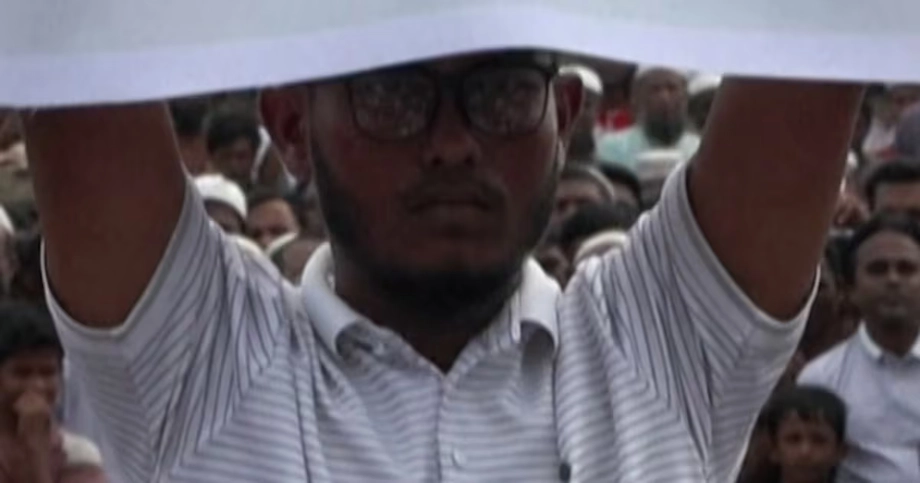
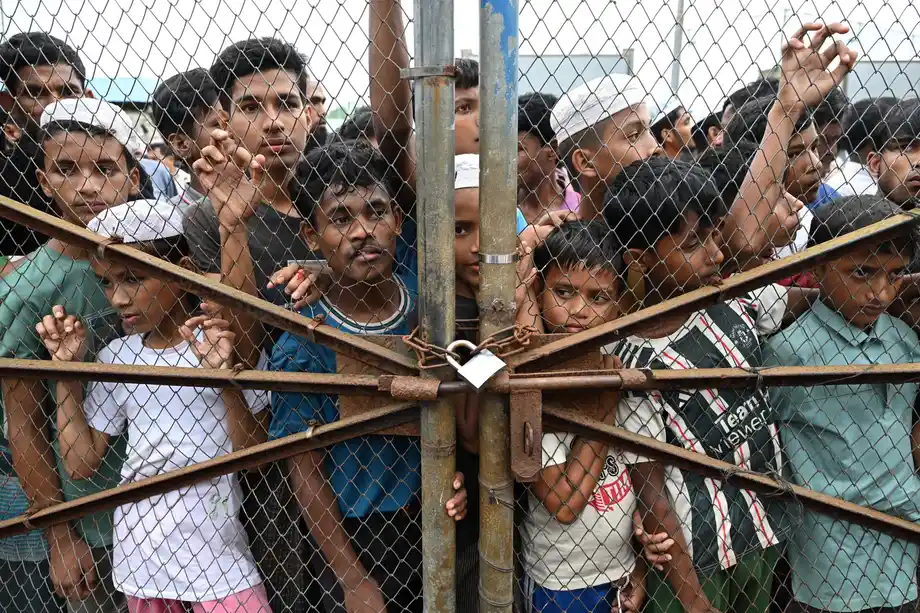
Hundreds of Rohingya refugees gathered at a sprawling camp in Cox's Bazar, Bangladesh, to watch the verdict streamed live on a big screen. More than one million refugees currently live in crowded conditions across Bangladesh, relying largely on dwindling international humanitarian aid and facing severe restrictions on employment and movement. Khalilur Rahman, the president of the UN General Assembly and former Bangladesh foreign minister, visited the camps to offer solidarity and discuss follow up measures with community leaders.
Refugee community leaders expressed cautious optimism following the announcement while emphasizing that recognition alone falls short of full justice. Mohammad Rofik described the verdict as an important historic victory for the minority group.
Justice has started. But the Rohingya still have a long way to go.
Refugees like Anwar, who lives at a settlement in New Delhi where nearly 200 people from 40 families struggle without basic electricity or running water, also welcomed the news. Rendered stateless in their homeland, many refugees hope the ruling will eventually pave the way for a safe return to ancestral soil. Readers can recall how these challenges unfolded after last year's attacks and earlier displacement waves that drove hundreds of thousands across international borders.
The Evolving Conflict and Local Realities on the Ground
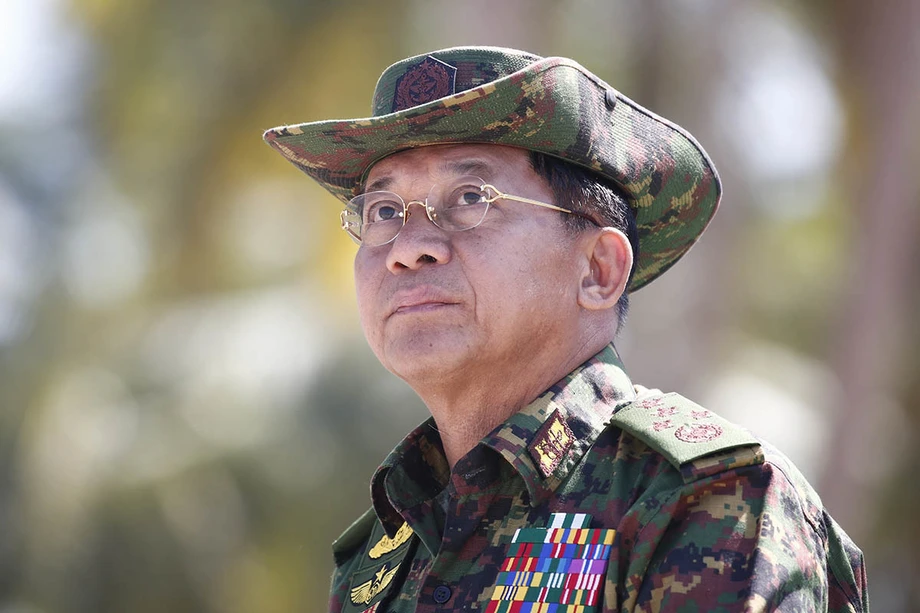
Implementing the court directives is further complicated by dramatic shifts in the civil war inside Myanmar. Since late 2023, the military junta has lost control of large portions of Rakhine State to the Arakan Army, an ethnic armed group dominated by the Rakhine Buddhist majority. While the junta has dismissed the ICJ verdict as unfair and unconvincing due to its nine to six majority vote, the Arakan Army now acts as the principal authority across much of the territory to which refugees would theoretically return.
Human rights monitors have documented serious abuses committed by the Arakan Army against remaining Rohingya civilians, including forced labor, arbitrary detention, and severe restrictions on movement. Analysts note that any successful repatriation framework will require complex diplomatic negotiations involving not only the military regime in Naypyidaw but also opposition groups like the National Unity Government and regional entities such as the Association of Southeast Asian Nations.
Global Implications for International Law
Legal scholars and international organizations are closely analyzing the broader ramifications of the judgment. This case marks the first time the ICJ has applied the Genocide Convention to hold an entire state accountable for the crime of genocide. The reasoning deployed by the judges is expected to influence other high profile proceedings before the court, including South Africa's ongoing case accusing Israel of genocide during military operations in Gaza.
Human Rights Watch senior international justice counsel Maria Elena Vignoli emphasized the significance of the ruling for victims of grave crimes globally. She urged concerned governments to maintain steady pressure on Myanmar's leadership and support accountability mechanisms designed to protect vulnerable populations.
Timeline of Key Developments
- August 2017: Myanmar military launches clearance operations in northern Rakhine State, forcing over 700,000 Rohingya to flee to Bangladesh.
- November 11, 2019: The Gambia formally institutes genocide proceedings against Myanmar at the International Court of Justice.
- January 2026: The ICJ holds extensive public hearings to examine evidence regarding state intent and military conduct.
- November 19, 2026: The International Court of Justice rules by a nine to six vote that Myanmar committed genocide against the Rohingya.
- November 20, 2026: Myanmar Ministry of Foreign Affairs issues an official statement dismissing the court verdict as unfair.
The Essentials
- The International Court of Justice ruled that Myanmar is responsible for committing genocide against the Rohingya minority.
- The UN court ordered Myanmar to prosecute perpetrators, pay reparations, and facilitate the safe return of refugees within a two year reporting window.
- More than one million Rohingya refugees currently reside in congested camps in Bangladesh awaiting conditions suitable for voluntary repatriation.
- Enforcement of the binding ruling remains uncertain due to a lack of independent police powers and potential political vetoes in the UN Security Council.