A Groundbreaking Decision at the Peace Palace
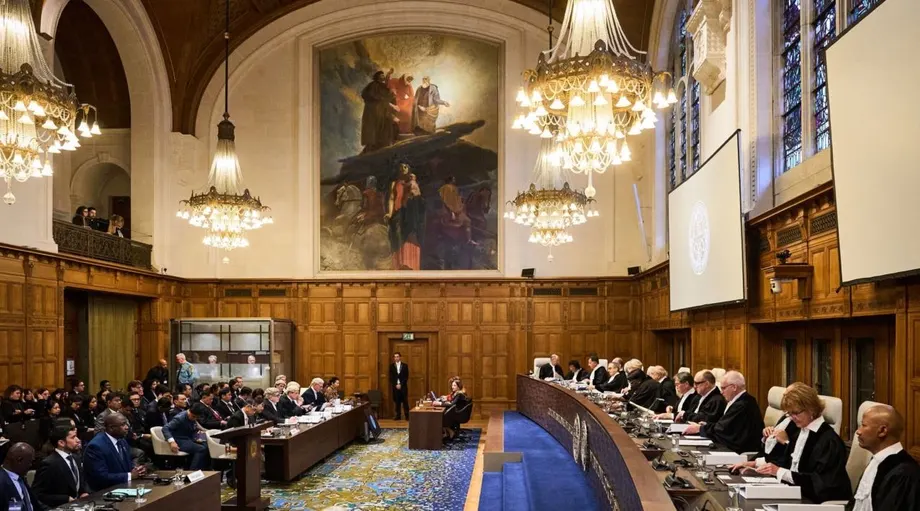
On November 19, 2026, the International Court of Justice delivered a historic judgment in The Hague, ruling that Myanmar committed genocide against the Rohingya Muslim minority during military operations in 2017. The decision marks the first time in the eighty year history of the United Nations top judicial body that a sovereign state has been held responsible for the crime of genocide. The case, formally titled The Application of the Convention on the Prevention and Punishment of the Crime of Genocide, was brought by the West African nation of The Gambia in November 2019 with the backing of the 57 member Organization of Islamic Cooperation. Presiding Judge Yuji Iwasawa read the decision in the Great Hall of Justice, concluding a legal battle that spanned seven years of proceedings and involved interventions from eleven different states including Canada, France, Germany, and the United Kingdom.
Contents
The court reviewed extensive evidence concerning the military campaigns launched in northern Rakhine State. Judges determined by a nine to six majority vote that Myanmar security forces carried out acts prohibited under the 1948 Genocide Convention with the specific intent to destroy a substantial part of the Rohingya population. The treaty, adopted in the aftermath of the Holocaust, defines genocide through specific acts committed against a protected group, including killing members, causing serious bodily harm, and imposing conditions calculated to bring about physical destruction. The judicial panel concluded that the scale and systematic nature of the violence far exceeded any legitimate counter-insurgency response.
What the World Court Discovered in Rakhine State
Judges detailed harrowing findings regarding the military operations that began in August 2017 following border posts raids by the Arakan Rohingya Salvation Army. The court accepted estimates that at least 10,000 Rohingya civilians were violently killed, including infants and young children. Evidence presented during the proceedings demonstrated widespread acts of gang and mass rape, extreme violence against children, and the methodical burning of entire villages and farmland. According to court records, approximately 40 percent of settlements across three townships in northern Rakhine State were destroyed through arson and bulldozing, often with security force bases later built over the razed land.
The court examined how state policies compounded the physical violence by targeting the foundational existence of the Rohingya community. Judges noted that restrictions on marriage permissions and limits on family sizes were imposed to suppress birth rates among the minority group. Furthermore, the judgment addressed decades of systemic denial concerning Rohingya identity. Successive governments in Myanmar have labeled the population as illegal Bengali migrants and stripped them of legal status under the 1982 Citizenship Law. The world court rejected this premise, affirming that the Rohingya constitute a distinct ethnic group protected under international law.
Legal experts had closely watched the proceedings due to the severe evidentiary hurdle required to prove genocidal intent, as governments rarely document plans to exterminate a population. The majority of judges inferred this specific intent from a mosaic of circumstantial factors, including the systemic pattern of abuse, the selective targeting of civilians, and the destruction of cultural foundations. This holistic approach contrasted sharply with the views of six dissenting judges, including Myanmar's ad hoc judge, who argued that alternative inferences regarding military necessity could explain the events. Despite the split bench, the court also ruled overwhelmingly by a vote of 13 to two that Myanmar failed in its duties to prevent genocide and punish those responsible.
The Voices of Survivors and Refugee Realities
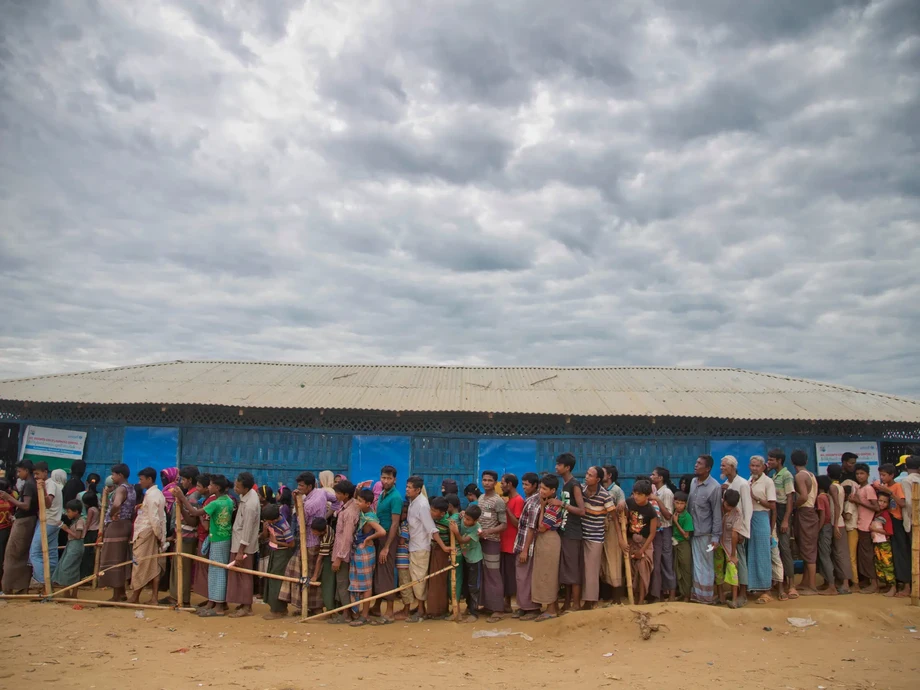
Far from the legal arguments presented in the Netherlands, the verdict brought profound emotional reactions to the sprawling refugee camps across the border in Bangladesh. More than one million Rohingya currently live in cramped bamboo and tarpaulin shelters in Cox's Bazar after fleeing the 2017 military crackdown. Hundreds of residents gathered around giant screens to watch the broadcast of the judgment, many weeping openly as the verdict was read. Sayed Ullah, a senior leader and former president of the United Council of Rohingya, expressed deep gratitude to the international coalitions that supported their cause through years of exile.
Survivors shared testimonies that underscored the human cost of the atrocities. Mohammed Osman, a 20-year-old refugee whose parents and four siblings were killed during the violence, explained the bittersweet nature of the moment. His sentiments were echoed by a 23-year-old rape survivor who called for stringent punishment for those who perpetrated sexual violence against women. Mohammed Mizanur Rahman, Bangladesh's refugee relief and repatriation commissioner, noted that the community had waited years for official recognition of their suffering. While refugees celebrated the formal validation of their ordeal, aid organizations warned that conditions in the camps remain dire, compounded by recent funding cuts that reduced food rations.
International Reactions and Diplomatic Shocks
Governments and international organizations responded swiftly to the historic ruling. The European Union issued calls for immediate compliance from Myanmar, while the United Kingdom demonstrated concrete policy shifts by ordering the expulsion of Myanmar's defense attaché and requesting an urgent session at the United Nations Security Council. The United States issued a statement expressing grave concern over human rights abuses against the Rohingya, despite not formally recognizing the jurisdiction of the international court. Conversely, Myanmar's military-backed government dismissed the ruling through statements delivered by presidential spokesperson Khaing Khaing Soe, who labeled the decision unfair and noted that it lacked unanimity among the judges.
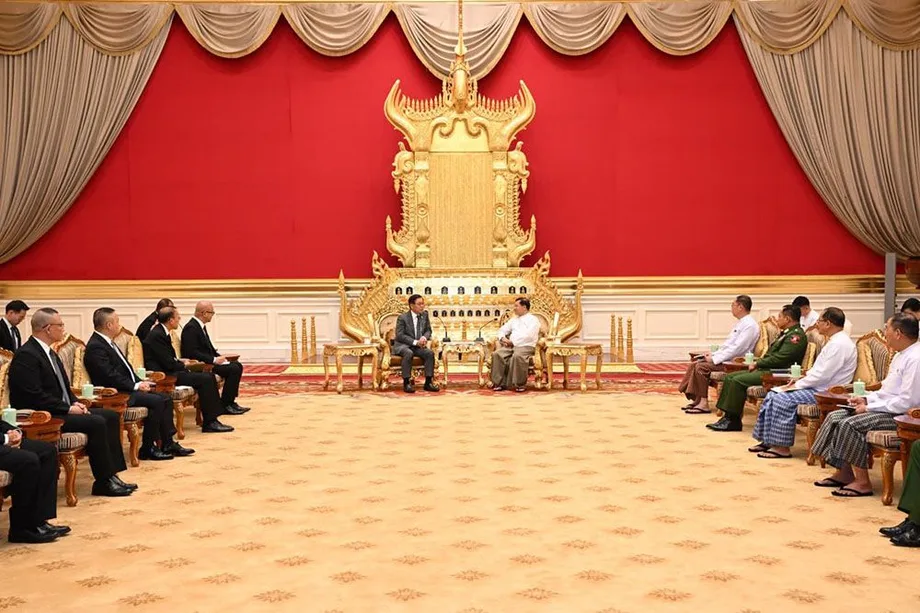
In Southeast Asia, the judgment complicated diplomatic engagements led by regional bodies. The Association of Southeast Asian Nations had previously barred Myanmar's military leaders from high-level summits due to non-compliance with the bloc's peace plan. Just days before the court decision, the regional bloc maintained its suspension during a summit in Manila. Malaysia faced domestic and international scrutiny regarding its policy trajectory under Prime Minister Anwar Ibrahim, who had recently hosted Myanmar leader Min Aung Hlaing. Malaysia's Foreign Ministry subsequently affirmed its respect for the judgment, stating that Kuala Lumpur would engage international organizations to address the protracted crisis for the approximately 193,000 refugees sheltered within its territory.
A Timeline of the Landmark Legal Journey
- May 2018: Foreign ministers of the Organization of Islamic Cooperation meet in Dhaka, where a proposal for a ministerial accountability committee is tabled.
- November 11, 2019: The Gambia files its formal application against Myanmar at the International Court of Justice under the 1948 Genocide Convention.
- January 2026: The court conducts extensive merits hearings in The Hague, featuring arguments from legal teams and interventions from eleven supporting states.
- November 19, 2026: The International Court of Justice delivers its final judgment, finding Myanmar responsible for genocide by a nine to six vote.
- November 22, 2026: Malaysia's Foreign Ministry officially announces its respect for the world court decision and outlines plans for regional engagement.
Enforcement Challenges and the Path Ahead
The practical weight of the world court ruling remains uncertain because the judicial body possesses no independent enforcement mechanism. Under Article 94 of the United Nations Charter, compliance relies on the United Nations Security Council, where permanent members such as China and Russia have historically shielded the Myanmar military from punitive resolutions and supplied vital armaments. Furthermore, the security landscape inside Myanmar presents significant operational hurdles. Most of northern Rakhine State is currently controlled by the Arakan Army, an ethnic armed group that is not a party to the case and has itself faced accusations of abuses against remaining civilians, leaving many original villages entirely destroyed.
The judgment mandates specific remedial actions that test the limits of international accountability. The court ordered Myanmar to prevent future acts, investigate and prosecute responsible individuals, and submit a comprehensive report within two years detailing measures for restitution, property restoration, and the safe return of displaced persons. If full restitution proves materially impossible, the report must establish modalities for financial compensation. Observers note that these obligations fall upon the very military leadership that orchestrated the clearance operations, including Min Aung Hlaing, who transitioned from military commander to civilian president following contested elections. Legal scholars also anticipate that the court's holistic methodology for inferring genocidal intent will heavily influence other pending international litigation, notably South Africa's case accusing Israel of genocide in Gaza.
As the international community grapples with the aftermath of the verdict, human rights advocates emphasize that the ultimate measure of success will be whether displaced families can safely reclaim their citizenship, dignity, and homes. The legal battle at the Peace Palace has permanently altered international jurisprudence, but closing the gap between judicial recognition and actual relief remains an ongoing political challenge for the nations that championed the cause.
The Essentials
- The International Court of Justice ruled that Myanmar committed genocide against the Rohingya minority during military operations in 2017.
- The historic decision was reached by a nine to six vote among a panel of fifteen judges after a seven year legal process initiated by The Gambia.
- The court found that security forces killed at least 10,000 civilians, committed widespread sexual violence, and destroyed numerous villages with the intent to destroy the group.
- Myanmar was ordered to prevent future violations, punish offenders, allow the safe return of refugees, and report back to the court within two years.
- Enforcement of the binding verdict faces major obstacles due to a lack of an enforcement army and potential vetoes in the United Nations Security Council.