Diplomatic Friction at the Regional Summit
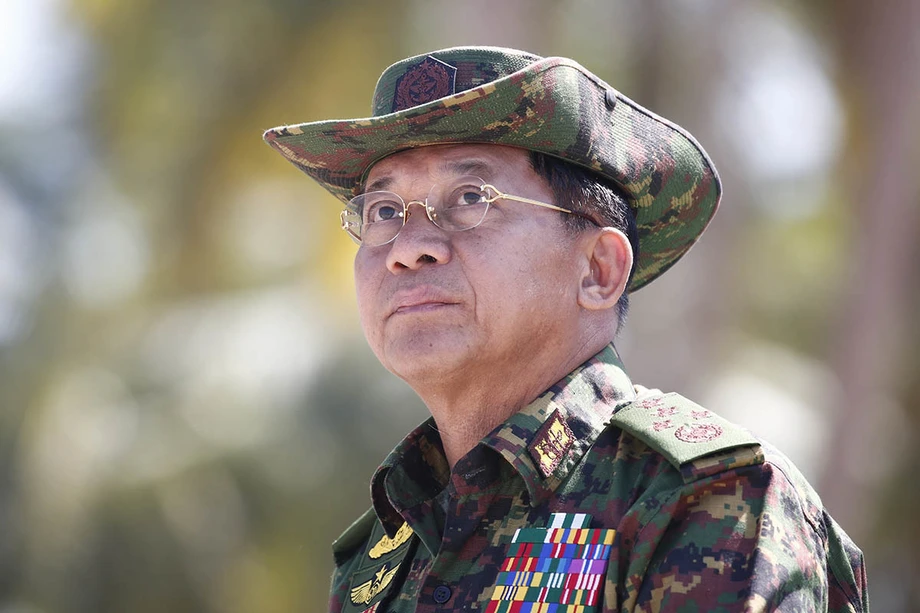
Myanmar's army-backed government issued a formal rebuke on Saturday, November 21, 2026, condemning a decision by the Association of Southeast Asian Nations (ASEAN) to deny its top leaders full representation at regional summits. The statement from the Ministry of Foreign Affairs of the Republic of the Union of Myanmar characterized the measure as unfair and imbalanced, arguing that the regional bloc had dismissed positive domestic steps taken since the 2021 military takeover. The dispute stems from the 49th ASEAN Summit in Manila, held on November 15, 2026, where leaders evaluated the implementation of the ASEAN Leaders Review and Decision on the Implementation ofemma Five-Point Statement.
Contents
- Diplomatic Friction at the Regional Summit
- The Five-Point Peace Framework and Representation Restrictions
- Controversy Over Detainees and Prisoner Releases
- Legal Pressures and International Court Rulings
- Inside Aung San Suu Kyi's Isolation
- Regional Engagement and Bilateral Realities
- Chronology of Recent Developments
- The Essentials
The regional bloc has maintained restrictions on Myanmar's highest officials, permitting only non-political career diplomats to attend major gatherings. This policy follows years of civil conflict triggered when the military removed the elected government led by Nobel Peace Prize laureate Aung San Suu Kyi. While individual member states have engaged directly with Naypyidaw, the collective stance of ASEAN continues to link any political reintegration to concrete peace commitments. President Min Aung Hlaing told parliament on Wednesday, November 18, 2026, that his administration was reconsidering its regional ties while maintaining channels for dialogue.
The Five-Point Peace Framework and Representation Restrictions
ASEAN introduced its Five-Point Consensus in April 2021 as a diplomatic roadmap to resolve the post-coup crisis. The framework requires an immediate cessation of violence, constructive dialogue among all conflicting parties, the appointment of an ASEAN special envoy, a visit by the envoy to meet all stakeholders, and the delivery of humanitarian aid. Regional leaders reaffirmed these conditions during the Manila summit, stating that full political representation could be restored only through measurable progress.
Myanmar's foreign ministry argued that this approach ignores administrative reforms and bilateral engagements. Officials in Naypyidaw contend that recent elections held between December 2025 and January 2026 render the appointment of an external special envoy unnecessary. However, regional neighbors and international bodies maintain that the balloting fell short of democratic standards because major opposition parties were excluded. Consequently, the bloc's diplomatic isolation of Myanmar's leadership remains in place, reflecting broader disagreements over how to restore stability to a nation where the United Nations estimates 100,000 people have died and more than 3.5 million remain displaced.
Controversy Over Detainees and Prisoner Releases
The recent diplomatic exchange also underscored stark disagreements concerning detained individuals and political prisoners. Myanmar's foreign ministry asserted in its statement that there are no political prisoners in the country, noting that authorities have granted amnesties and pardons to more than 126,000 prisoners since the change of administration in 2021. The ministry maintained that individuals currently serving sentences are being held under existing domestic laws for ordinary offenses.
International organizations challenge that assertion directly. The United Nations and various human rights monitors report that thousands of individuals remain imprisoned solely for peaceful political opposition to military rule. This divergence in accounts forms a central obstacle in negotiations, as regional partners try to measure improvements in human rights against official statistics provided by Naypyidaw.
Legal Pressures and International Court Rulings
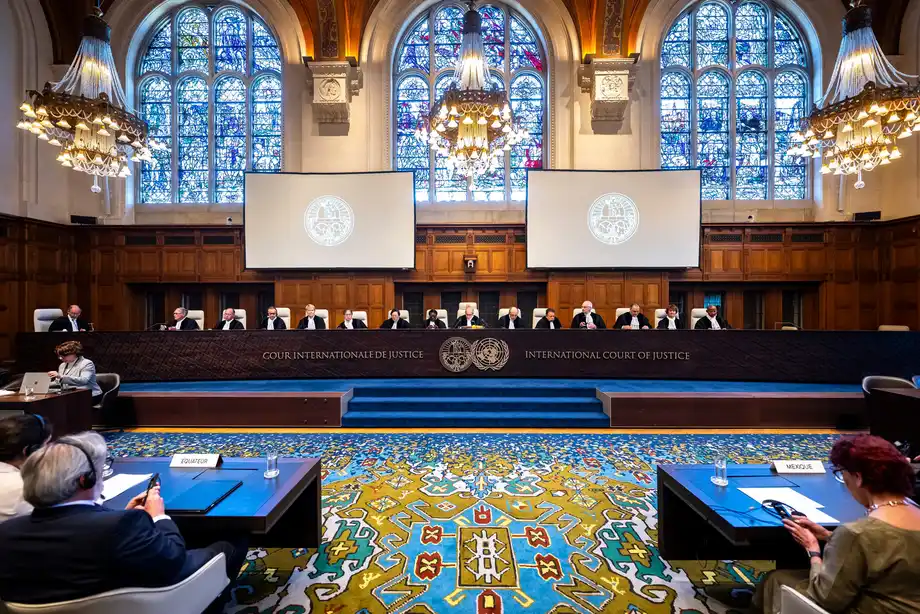
The latest diplomatic friction coincides with mounting international legal scrutiny facing Myanmar's military leadership. On November 19, 2026, the International Court of Justice delivered a landmark judgment finding the state responsible for committing genocide against the Rohingya Muslim minority during military clearance operations in Rakhine State in 2017. That decision marks only the fourth time an international court has issued such a ruling since the Nazi Holocaust.
Alongside the rulings in The Hague, legal accountability efforts span multiple jurisdictions. An Argentine court issued arrest warrants for 25 military and civilian officials, including Min Aung Hlaing, under universal jurisdiction principles. Meanwhile, prosecutors at the International Criminal Court are pursuing an application for an arrest warrant concerning alleged crimes against humanity of deportation and persecution. These legal developments add significant pressure to a government already struggling for international legitimacy.
Inside Aung San Suu Kyi's Isolation
Human rights conditions extend to the treatment of ousted political figures who remain under strict detention. Former leader Aung San Suu Kyi, now aged 81, continues to be held under house arrest in Naypyidaw after being moved there in 2026 following her initial imprisonment after the February 2021 coup. According to statements from her son, Kim Aris, she resides in a fenced-off compound in near-complete isolation with guards as her sole company and no access to external news or independent communication.
This prolonged detention remains a focal point for international condemnation. Western governments and human rights organizations regularly demand her unconditional release, viewing her confinement as symbolic of the broader suppression of democratic institutions and civic freedoms across the country.
Regional Engagement and Bilateral Realities
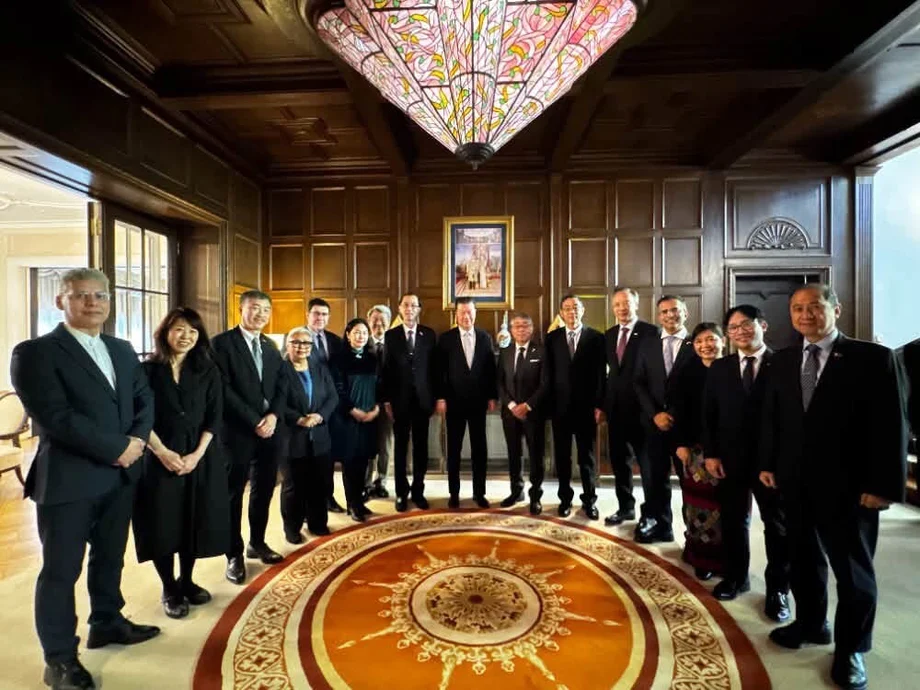
Despite multilateral resistance at ASEAN summits, Myanmar has pursued bilateral relations with individual member countries to build diplomatic ties. Earlier, Malaysia engaged in direct talks when Prime Minister Anwar Ibrahim hosted Min Aung Hlaing in Putrajaya on October 8, 2026. That visit intertwined diplomatic recognition with repatriation discussions, involving the return of thousands of Myanmar nationals from Malaysia.
The bilateral discussions exposed the practical limits of regional diplomacy, particularly regarding refugee populations. While Malaysian authorities sought cooperation on deportations and explored avenues for inclusive dialogue, critics warned that such high-level meetings risk granting legitimacy to military authorities without requiring meaningful democratic concessions. The tension between collective regional sanctions and individual state diplomacy continues to shape Southeast Asia's foreign policy landscape.
Chronology of Recent Developments
- February 2021: The military seizes power from the elected government, detaining civilian leaders and sparking a national civil war.
- December 2025 to January 2026: Myanmar holds elections that bring the military-backed Union Solidarity and Development Party to power.
- April 3, 2026: Min Aung Hlaing assumes the presidency, restructuring military and executive leadership.
- October 8, 2026: Malaysian Prime Minister Anwar Ibrahim hosts Min Aung Hlaing in Putrajaya to discuss bilateral returns and regional engagement.
- November 15, 2026: The 49th ASEAN Summit convenes in Manila, maintaining political restrictions on Myanmar's leadership.
- November 19, 2026: The International Court of Justice rules Myanmar responsible for genocide against the Rohingya in 2017.
- November 21, 2026: Myanmar's foreign ministry issues a statement condemning the ASEAN summit decision as unfair and discriminatory.
The Essentials
- Myanmar's foreign ministry criticized ASEAN for denying its senior leaders full political representation at regional summits.
- ASEAN leaders conditioned any return to full participation on measurable progress under the Five-Point Consensus peace plan.
- Naypyidaw stated that over 126,000 prisoners had been pardoned and denied the existence of political detainees.
- The United Nations and human rights monitors report thousands of ongoing political detentions and widespread civil conflict casualties.
- Legal pressures mount as international courts pursue genocide rulings and arrest warrants against military leadership.