Tajikistan Records Strong Economic Growth
Tajikistan achieved a gross domestic product of 136.2 billion somoni, which is approximately $14.5 billion, during the first nine months of 2026. Gross domestic product, often called GDP, measures the total value of all finished goods and services produced within a country over a specific time period. The latest figure represents an increase of 18.4 billion somoni compared to the same period in 2025. Real GDP growth reached 8.3 percent during the first three quarters of the year, according to parliamentary discussions on the implementation of the state budget.
Contents
Deputies gathered within the Assembly of Representatives of the Supreme Assembly, known as the Majlisi Oli, to review economic performance. Officials noted that the national economy expanded steadily despite a difficult international political and economic environment. Global trade challenges, including various sanctions and restrictions, continue to affect international trade and economic cooperation across the region. President Emomali Rahmon promoted policies that supported this stable economic development, notably by attracting foreign investment for priority infrastructure and industrial projects.
Surging Capital Investment and Industrial Output
Fixed capital investment in Tajikistan surged by 44.9 percent during the first nine months of 2026. Fixed capital investment represents money spent on physical assets such as buildings, machinery, and infrastructure that help a country produce more goods and services over the long term. This massive influx of capital reflects a deliberate state push to modernize industrial capacity and upgrade transportation networks.
The investment wave quickly translated into broader industrial expansion. Industrial production grew by 13.7 percent during the reporting period, while the manufacturing sector alone jumped by 21.5 percent. Retail sales experienced an equally dramatic rise of 28 percent, pointing to higher consumer activity across the country. Parliamentarians attributed these positive developments to targeted government programs and the effective execution of sectoral development strategies.
Fiscal Performance and Revenue Collection
State budget revenues exceeded initial targets by a wide margin between January and September 2026. Collections reached 114.9 percent of the planned level for the period. Growth across key sectors of the national economy, ongoing administrative reforms, and better use of financial resources helped drive the revenue surplus.
Authorities managed the national financial system in strict accordance with established sectoral strategies. These efforts ensured that key fiscal targets were met or exceeded. Tajikistan is also introducing new mechanisms to accumulate financial reserves. This reserve mechanism aims to strengthen long-term economic stability, support ongoing development projects, and help protect the country against potential future economic emergencies.
Navigating Broader Regional Pressures
Surrounding nations in the Eurasian region are experiencing different economic pressures that contrast with the rapid expansion in Tajikistan. In Belarus, annual inflation edged up to 4.7 percent in October, influenced by reductions in the list of goods subject to government price controls. Uzbekistan faced higher annual inflation reaching 6.5 percent in October, driven by rising utility tariffs, increased fuel prices, and strong domestic demand. Meanwhile, Russia recorded a federal budget deficit of about 48 billion rubles in October, maintaining a cumulative deficit near 5.2 trillion rubles from January to October due to heavy reliance on volatile energy revenues.
These divergent trends highlight a common thread of regional fragility. While Tajikistan focuses on managing its transition from investment-led expansion to sustainable productivity, neighboring economies grapple with rising living costs and fiscal strains. Analysts note that the central task for Tajikistan involves converting its current investment momentum into a self-sustaining productive base that generates lasting value added without relying entirely on large state projects.
Timeline of Economic Reports and Key Events
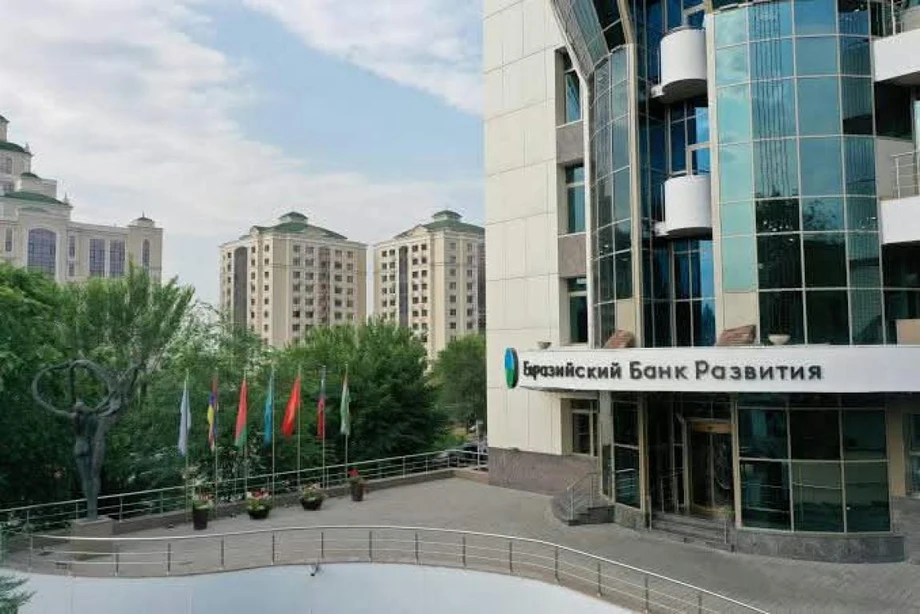
- Mid-November 2026: The Eurasian Development Bank publishes its weekly macro-review detailing regional investment surges and inflation rates.
- 20 November 2026: Official figures confirm that Tajikistan recorded an 8.3 percent GDP growth rate for the first nine months of the year.
- January through September 2026: State budget revenue collection exceeds planned targets, reaching 114.9 percent of projections.
The Essentials
- Tajikistan recorded a nominal GDP of 136.2 billion somoni, or about $14.5 billion, for the first nine months of 2026.
- Real GDP growth stood at 8.3 percent, matching full-year forecasts by international financial institutions.
- Fixed capital investment jumped by 44.9 percent, powering a 13.7 percent increase in industrial production and a 28 percent rise in retail sales.
- State budget revenues reached 114.9 percent of planned targets, bolstered by economic reforms and efficient financial management.
- Authorities introduced financial reserve accumulation mechanisms to safeguard the economy against potential future shocks.