Gold Exports Fall Sharply in the First Nine Months of 2026
Uzbekistan experienced a dramatic drop in international metal shipments as gold exports fell by 78.8% year over year from January through September 2026. The country exported just 18 metric tons of physical gold during this nine-month period, a significant decline from the 85 metric tons recorded during the same months in 2025. Calculations based on these figures indicate a year-over-year reduction of 67 metric tons, meaning the volume exported amounted to only 21.2% of the previous year's level. This contraction in trade limited how much the country could benefit from high international gold prices through external sales.
Contents
The Central Bank of Uzbekistan saw its physical gold holdings reach 453.5 metric tons in October 2026, pointing to a strategy of holding onto the precious metal rather than selling it immediately. While authorities have not formally explained the unusually low export volumes, the simultaneous rise in official reserves suggests a deliberate decision to retain gold during a period of price strength. Meanwhile, the currency has remained resilient, supported by capital inflows and high real interest rates that helped the Uzbek soum achieve a slight appreciation against major currencies.
Global Market Shifts and Local Gold Bar Prices
International market dynamics played a direct role in local precious metal values, with global quotations for one troy ounce of gold falling to between $3,830 and $3,840 by November 2026. This drop marks the lowest level since October 2025 and represents a 31.5% decrease from the historical peak of $5,594.82 recorded in late January 2026. Financial factors such as the strengthening of the US dollar, rising government bond yields, and expectations of interest rate adjustments by the Federal Reserve System reduced investor demand for non-interest-bearing assets like gold.
Refined gold bar prices in the domestic market reflected these international shifts when the Central Bank of Uzbekistan announced updated selling and buyback figures for November 19, 2026. The selling price for a 5-gram gold bar was set at 8,917,000 soums, reaching its lowest point since January 9 of that year. For comparison, a 5-gram bar reached an annual high of 10,864,000 soums on March 3, 2026, meaning local values decreased by 18% from that peak while remaining 10% higher than prices recorded in November of the previous year.
Ambitious Industrial Targets and International Partnerships
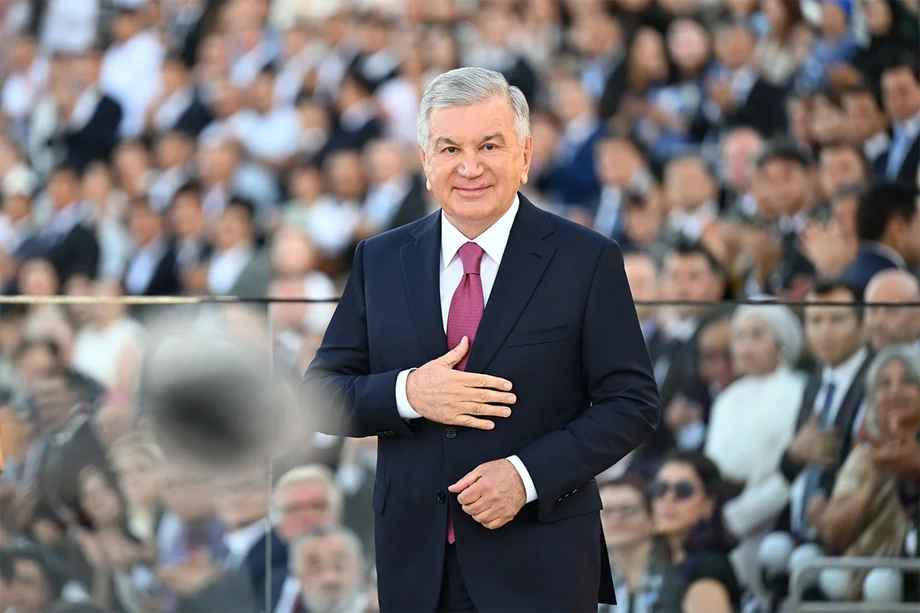
President Shavkat Mirziyoyev outlined major economic goals for the decade at the inaugural meeting of the Uzbekistan-Türkiye High-Level Business Support Council on November 19, 2026. The country aims to increase annual gold production to 175 metric tons, raise silver output to 500 metric tons, and expand copper production capacity to 500,000 metric tons by 2030. These targets form part of a broader strategy to double industrial production, elevate gross domestic product to $300 billion, create two million high-paying industrial jobs, and increase the share of high-tech products to one third by the end of the decade.
Turkish companies received invitations to collaborate on joint ventures spanning mineral processing, renewable energy, electronics, transformers, and household appliances. Electrical engineering was highlighted as a priority sector with the goal of expanding exports to $5 billion and securing $11.6 billion in investment by 2030. Additionally, the government plans to expand renewable energy capacity to 25 gigawatts, which is expected to account for 54% of national electricity generation by the target year.
Broader Economic Strategies and Public Sector Funding
National economic policy also focuses on human development and infrastructure, following recent government proposals for the state budget. The administration previously outlined plans to allocate 175.7 trillion soums to education and healthcare in 2027, an increase of 26 trillion soums from the previous year, as discussed during prior budget discussions chaired by the president. Education is slated to receive 114.3 trillion soums while healthcare is allocated 61.4 trillion soums, supporting public access to essential services while main tax rates remain unchanged.
Earnings figures from earlier in the year demonstrated continued wage growth across the formal economy. The national average monthly salary reached 7,274,100 soums for the first nine months of 2026, representing an 18% increase from the same period in 2025, continuing a steady upward trend observed in earlier wage reports released by national statistical authorities. The statistical committee also introduced its first median salary calculation, placing the middle of the earnings distribution at 4,166,300 soums for January through August.
Future Outlook and Macroeconomic Challenges
Future foreign currency inflows could receive a boost if gold exports return to their historical annual range of 80 to 120 metric tons, providing further support to the soum. Capital inflows are also anticipated from foreign participation in privatization initiatives, including a recently announced package of US-linked projects potentially worth $12 billion that covers transport, critical minerals, infrastructure, and financial services. However, the long-term outlook for the currency requires addressing persistent trade and current account deficits alongside inflation rates that remain above official targets.
Achieving a lasting departure from the historical depreciation trend of the local currency will depend on sustained progress in reducing these macroeconomic imbalances and advancing structural reforms. While the Jizzakh region develops its Atomic Industry Special Industrial Zone to produce goods across 15 areas for domestic and regional nuclear power needs, financial analysts emphasize that continuous policy adjustments remain necessary for long-term stability.
At a Glance
- Gold exports dropped by 78.8% year over year in the first nine months of 2026 to 18 metric tons.
- Central bank physical gold holdings increased to 453.5 metric tons by October 2026.
- Selling price for a 5-gram gold bar reached 8,917,000 soums on November 19, 2026.
- President Shavkat Mirziyoyev announced targets to produce 175 tons of gold annually by 2030.
- National average monthly salary reached 7,274,100 soums in the first nine months of 2026.