Education and healthcare would receive nearly 38% of spending
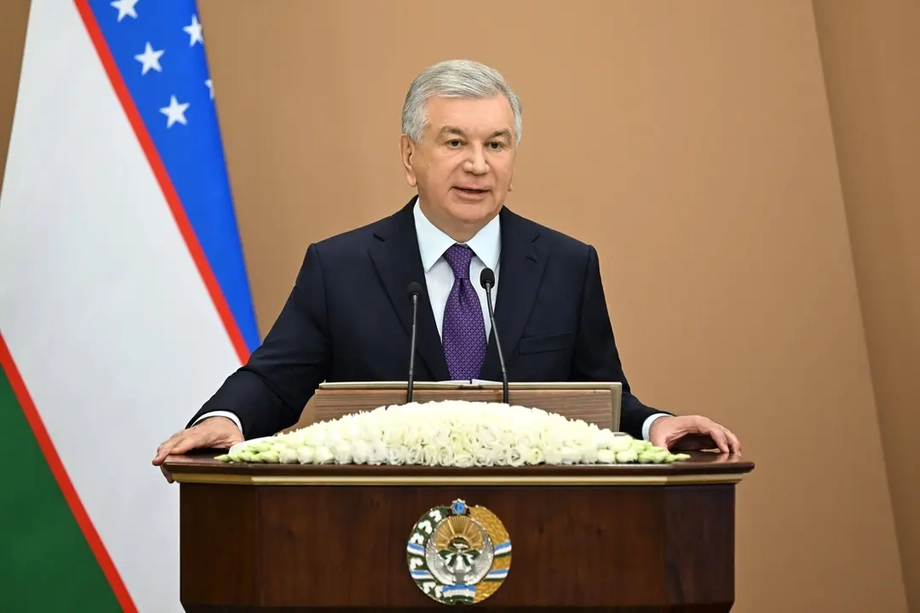
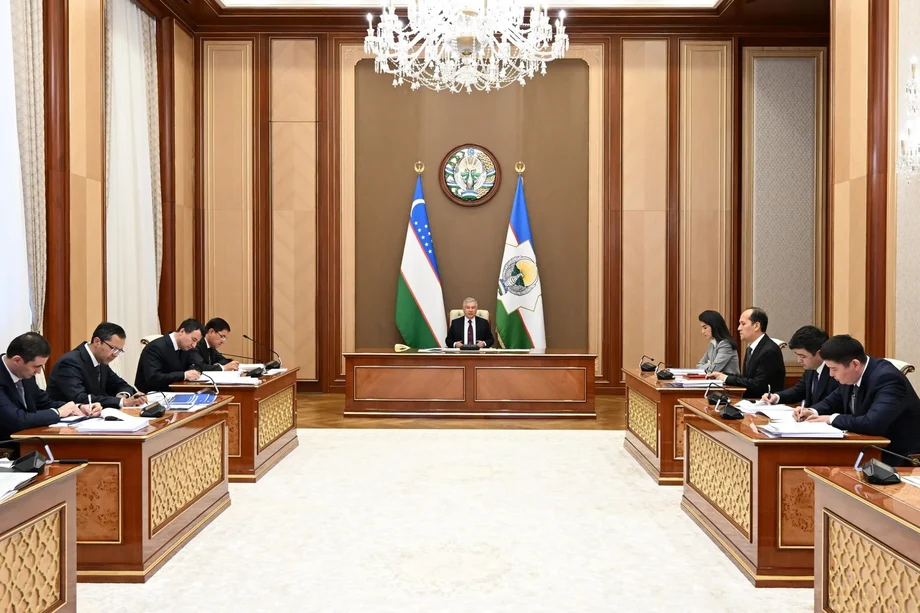
Uzbekistan plans to allocate 175.7 trillion soums to education and healthcare in 2027, an increase of 26 trillion soums from the previous year, while keeping its main tax rates unchanged. The proposals were discussed at a meeting chaired by President Shavkat Mirziyoyev on November 13, 2026, to set priorities for the state budget and economic policy.
Contents
- Education and healthcare would receive nearly 38% of spending
- Healthcare funding would grow faster than education funding
- Another 70 trillion soums targets neighborhoods and livelihoods
- Taxes would stay steady while collection expands
- A 48 trillion soum gap sits alongside the deficit target
- Digital oversight would follow construction spending
- Growth, prices and exports underpin the plan
- Industry and foreign investment would drive expansion
- Banking reforms and the next steps
- Key Points
Education would receive 114.3 trillion soums and healthcare 61.4 trillion soums. Together, those allocations would account for about 37.9% of proposed state budget expenditure of 464 trillion soums. Another 70 trillion soums is planned for regional and neighborhood infrastructure, employment, household incomes, skills and social protection.
The government expects to collect 416 trillion soums in revenue, leaving a gap of 48 trillion soums between the proposed state budget's income and spending. Its plan combines larger social allocations with tighter spending controls, stronger tax collection and an economic growth forecast of 7%.
The budget remains a proposal. Local councils, known as Kengashes, are due to discuss the draft and measures for carrying it out before it goes to the Legislative Chamber of the Oliy Majlis, Uzbekistan's parliament. No dates were given for those discussions or parliamentary consideration.
Healthcare funding would grow faster than education funding
Education's proposed allocation is 14 trillion soums higher than the previous year's figure. Subtracting that increase gives a comparison amount of 100.3 trillion soums, meaning the planned rise is about 14%.
Healthcare would gain 12 trillion soums from a previous allocation of 49.4 trillion soums. That works out to an increase of about 24.3%, a faster rate than education, although education would still receive the larger sum.
The combined education and healthcare allocation would rise from 149.7 trillion soums to 175.7 trillion soums, an increase of about 17.4%. Education would take roughly 65% of the combined amount, with healthcare receiving the remaining 35%.
These increases are measured in soums at their stated value. Prices also affect how much public money can buy. The government's separate target of keeping inflation at no more than 6% in 2027 therefore matters to the purchasing power of funding for education and medical services.
For families, the purpose of the larger allocations is to support access to education and healthcare. The next stage of budget discussions will turn those national spending priorities into the measures that public institutions are expected to carry out.
Another 70 trillion soums targets neighborhoods and livelihoods
Regions and mahallas, Uzbekistan's neighborhood communities, feature in a proposed allocation of 70 trillion soums covering several connected priorities. These include improving infrastructure, increasing employment and household incomes, developing people's skills and strengthening social protection.
The allocation brings local living conditions into the same spending plan as education and healthcare. Neighborhood infrastructure concerns the places where people live, while employment and income measures concern their ability to support their households.
The government also includes human capital among its priorities. In plain language, human capital means the knowledge, skills and health that help people work and earn a living. Education and medical spending serve that aim, alongside the wider regional and social measures.
Mirziyoyev linked the continued financing of social commitments to annual economic growth of at least 7%. The budget strategy therefore has two connected tasks: funding public services now and expanding the economy that will generate revenue for them in later years.
Taxes would stay steady while collection expands
Uzbekistan plans to leave its principal tax rates unchanged in 2027. To increase revenue, officials intend to encourage business activity, widen the tax base, reduce the shadow economy and improve tax and customs administration.
The tax base is the income, sales, property and other activity subject to taxation. Expanding it means collecting revenue from a larger amount of taxable activity, including business that moves into the formal economy and becomes recorded for tax purposes.
Digital systems and artificial intelligence are planned as tools for raising tax and customs receipts. This places part of the responsibility for financing the larger budget on how effectively the authorities administer existing taxes, alongside how much the economy grows.
Saida Mirziyoyeva, head of the Presidential Administration, described the tax commitment in a social media statement about the November 13 discussion. Translated from Uzbek, she wrote:
Main taxes will not be increased.
Mirziyoyeva also set out plans to support entrepreneurs, develop modern industry and create jobs. She connected stronger economic activity with the government's ability to fund education, medicine and improvements in mahallas, while calling for greater digital oversight and openness in public spending.
A 48 trillion soum gap sits alongside the deficit target
Proposed expenditure of 464 trillion soums exceeds projected revenue of 416 trillion soums by 48 trillion soums. Revenue would cover about 89.7% of planned state budget spending, leaving the remaining portion to be addressed through the budget's financing arrangements.
The government has also set a ceiling for the broader fiscal deficit of 3% of gross domestic product, or GDP. GDP measures the value of goods and services produced in an economy. A deficit expressed as a share of GDP compares the government's financing gap with the size of the national economy.
The proposed figures place several demands on budget management at once. Officials want to increase major social allocations, keep the main tax rates steady, collect more revenue and limit the deficit. Cutting ineffective expenditure and improving the results of state investment and subsidies are central parts of that approach.
Mirziyoyev instructed officials to strengthen budget discipline and ensure that spending produces concrete results. This makes the use of money, alongside the amount allocated, a major part of the 2027 plan.
Digital oversight would follow construction spending
President Mirziyoyev instructed officials to introduce a pilot digital control system for construction projects financed under the investment program. Its purpose is to allow budget spending on those projects to be tracked throughout the process.
Construction is a specific focus of the proposed oversight measures. Following expenditure digitally would give the authorities a way to monitor how allocated money is spent as projects proceed, supporting the wider instruction to reduce waste and improve public investment.
State subsidies are also included in the spending review. Subsidies are government support for particular activities or beneficiaries. The president's instructions call for better results from that support, alongside stronger control over investment expenditure.
Saida Mirziyoyeva's statement placed digital control and openness at the center of the same effort. Her stated aim was for public money to be used where intended and for families to experience the results in everyday life.
Writing on her Telegram channel, she said, translated from Uzbek:
Our main focus will be on strengthening digital oversight and openness, so that every soum is used where it should be and people feel the results of these changes in their families and everyday lives.
She also wrote: "We will give entrepreneurs greater opportunities, develop modern industry and create new jobs." On spending priorities, she added: "The stronger the economy, the more opportunities there will be for people's well-being: next year, too, the largest share of the budget will be allocated to our children's education, healthcare and improvements in mahallas."
Growth, prices and exports underpin the plan
Uzbekistan's 2027 budget is being prepared around an economic growth forecast of 7%, compared with expected growth of at least 8% in 2026. GDP is projected to reach $232 billion in 2027, following an expected level above $200 billion in 2026.
Officials expect income per person to be about $5,200 in 2026. Their longer targets are GDP of $300 billion by 2030 and income per person of $10,000 over the following decade. The latter would be about 92% above the $5,200 reference figure.
Inflation is targeted at no more than 6% in 2027, with a further reduction to 5% in 2028 and 2029. Slower inflation means prices continue rising, but at a lower rate, helping household income and public funding retain more purchasing power.
Exports excluding gold are targeted at nearly $40 billion in 2027. By setting a target that leaves gold out, the government is directing attention toward earnings from other goods and services as it seeks to broaden production and sales abroad.
Industry and foreign investment would drive expansion
Officials have been instructed to prepare plans, broken down by sector and region, to attract $65 billion in foreign investment in 2027. The industrial strategy also aims to bring at least two or three major international investors into each promising sector.
Development strategies are being prepared for chemicals and petrochemicals, mechanical engineering, electrical engineering, textiles and pharmaceuticals. Plans include modern industrial zones, more domestic production of inputs and stronger technological capabilities at local businesses.
Semiconductors, robotics, biotechnology, advanced components and batteries for electric vehicles are identified as newer areas for development. The government also plans incentives to attract international brands, support research and development, and build competitive domestic manufacturers.
The central idea is to create more value within Uzbekistan. A business creates added value when it turns materials, knowledge or components into something worth more. More advanced production can support the government's linked goals of higher productivity, better paid jobs and stronger exports.
Uzbek companies are also expected to become more closely involved in international production chains. This means supplying products or components within manufacturing processes that stretch across several countries, rather than relying only on sales of finished goods made entirely in one place.
Banking reforms and the next steps
Reforms to state enterprises and banks are part of the financing strategy. Priorities include faster privatization, a larger role for private capital in banking, more lending resources and closer cooperation with international financial institutions.
The government also plans greater use of partnerships between public authorities and private businesses to finance investment projects. Energy and transport improvements, skills development and completion of Uzbekistan's accession to the World Trade Organization are listed among the wider reform priorities.
The schedule combines the immediate budget process with economic targets extending beyond 2027:
- November 13, 2026: Mirziyoyev chaired the meeting on the 2027 budget, economic forecasts and fiscal policy.
- Before parliamentary consideration: Local Kengashes are to discuss the draft budget and measures for its implementation.
- 2027: Planned targets include 7% economic growth, GDP of $232 billion, inflation no higher than 6% and $65 billion in foreign investment.
- 2028 and 2029: Inflation is targeted to fall to 5%.
- 2030: GDP is targeted to reach $300 billion.
The immediate decision is how those national priorities will be reflected in the budget submitted to lawmakers. The larger strategy depends on business growth and more effective revenue collection supporting higher social expenditure, while closer spending controls help the government stay within its fiscal limits.
Key Points
- Education would receive 114.3 trillion soums and healthcare 61.4 trillion soums in 2027.
- The combined allocation would rise by 26 trillion soums, or about 17.4%, from the previous year's comparison figures.
- Another 70 trillion soums is planned for regional infrastructure, jobs, incomes, skills and social protection.
- State budget revenue is projected at 416 trillion soums and expenditure at 464 trillion soums.
- Main tax rates would remain unchanged, with stronger collection, digital systems and artificial intelligence intended to support revenue growth.
- The plan targets 7% economic growth, inflation no higher than 6% and a broader fiscal deficit within 3% of GDP.
- Local council discussions will precede submission of the draft to the Legislative Chamber.