Uncovering Mental Health Realities in Nepal
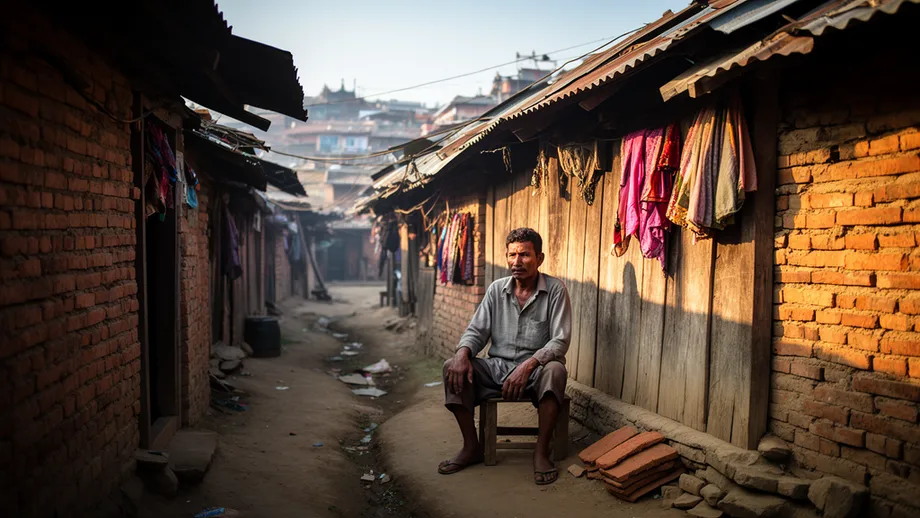
Researchers in Nepal have published a comprehensive investigation revealing that 18.3 percent of residents living in urban informal settlements experience psychological distress. The findings, published on 21 November 2026 in the academic journal BMC Public Health, shed light on an area of public health that has historically received little empirical study. Informal settlements in Nepal are residential zones defined by inadequate housing, limited access to basic services, and insecure land tenure. To understand how these challenging living conditions affect mental wellbeing, a research team conducted a mixed method study across informal settlements in the Kathmandu and Pokhara Valley.
Contents
The study protocol received ethics approval from the Liverpool School of Tropical Medicine under protocol number 23-027 and the Nepal Health Research Council under protocol number 86/2023. Financial support for the research was provided by the UK Research and Innovation GCRF Accountability for Informal Urban Equity Hub, operating under award ES/S00811X/1. The investigative team comprised Jiban Karki, Situ KC, Barsha Rijal, Alisha Karki, Saugat Joshi, Khushbu Roy, Rudra Neupane, Urmila Adhikari, Jyoti Lamichhane, Julian Eaton, Sally Theobald, and Rachel Tolhurst.
Methodology and Screening Tools
The investigation utilized a mixed method design, combining quantitative surveys with qualitative interviews to capture both broad statistical trends and personal lived experiences. All data collection took place in the Nepali language using survey instruments and interview guides translated specifically for the communities involved. The quantitative screening component engaged 2,009 participants through interviewer-administered questionnaires. Researchers deployed the General Health Questionnaire-12, commonly known as the GHQ-12, which is a widely recognized screening tool designed to detect potential psychiatric morbidity and psychological distress in community settings.
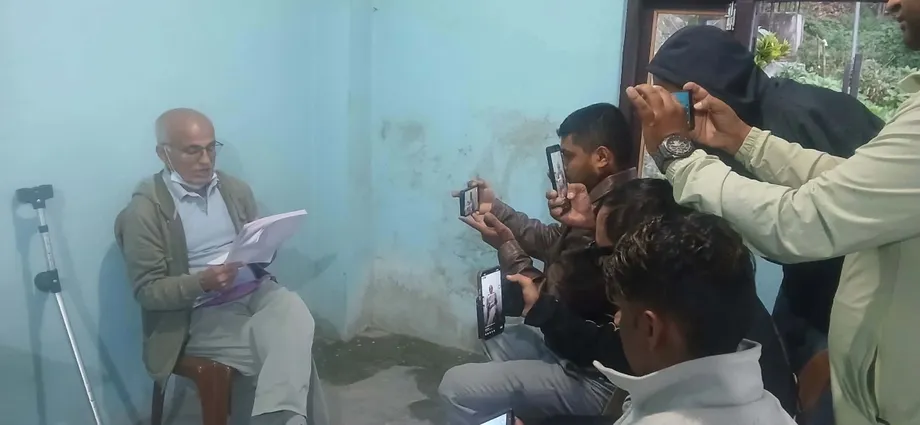
Alongside the quantitative survey, the research team conducted qualitative interviews in Nepali with 36 participants living in selected informal settlements across the study sites. These qualitative sessions explored participants personal encounters with mental ill-health, the social stigma surrounding psychological conditions, and the perceived drivers of their distress. By pairing statistical screening with open-ended narratives, the study aimed to contextualize the numerical findings within the daily realities of urban poverty and housing precarity.
Statistical Findings on Distress and Vulnerability
The quantitative screening revealed that nearly one in five participants experienced psychological distress, with significant variations observed across different demographic, marital, and employment categories. Marital status emerged as a strong statistical factor. Widowed individuals experienced psychological distress at higher rates than unmarried individuals, demonstrating an odds ratio of 2.11 with a 95 percent confidence interval from 1.07 to 4.16. Divorced or separated individuals faced even higher rates compared to unmarried individuals, recording an odds ratio of 3.06 with a 95 percent confidence interval between 1.07 and 8.74. An odds ratio compares the odds of a certain event happening in one group to the odds of it happening in another group, where a value above one indicates higher odds.
Employment status also played a critical role in mental health outcomes. Participants who were unemployed or engaged in informal work experienced 1.6 times more psychological distress than those holding formal employment. Informal employment typically lacks job security, written contracts, fixed wages, and social protections, leaving workers vulnerable to sudden income drops. These statistical disparities highlight how economic instability and social disruption compound the baseline challenges of living in informal urban settlements.
Lived Experiences and Key Triggers
The qualitative interviews provided deeper context to the survey numbers, detailing residents daily struggles with anxiety, depression, and social stigma. Participants pointed to persistent financial stress as a primary catalyst for their mental health challenges. Daily survival in Kathmandu and Pokhara informal settlements often involves irregular income, high living costs, and debt management. Beyond immediate monetary worries, residents identified tenure uncertainty and the constant fear of eviction as major sources of chronic psychological strain. Living without legal land titles means families face the perpetual risk of displacement, which disrupts community support systems and children education.
Study participants also described encountering substantial barriers when attempting to seek professional help for their mental health concerns. These barriers include limited mental healthcare infrastructure within community-level health posts, the financial costs associated with traveling to specialized facilities outside the settlements, and pervasive social stigma. Stigma often discourages individuals from acknowledging mental distress or seeking timely medical intervention, allowing symptoms to worsen over time.
Broader Context of Mental Healthcare in Nepal
The findings align with broader healthcare challenges documented across Nepal, where mental health treatment gaps remain wide despite previous legislative commitments and policy frameworks. Earlier data from the Nepal Health Research Council National Mental Health Survey indicated that approximately 80 percent of people needing mental health care in the country go without required services, while only about 20 percent receive them. Issues such as inadequate public health funding, scarce community-level psychiatric services, and difficulties in implementing court-ordered healthcare expansions continue to hinder progress. For residents of informal settlements, these systemic gaps are magnified by poverty and geographic isolation from central hospitals.
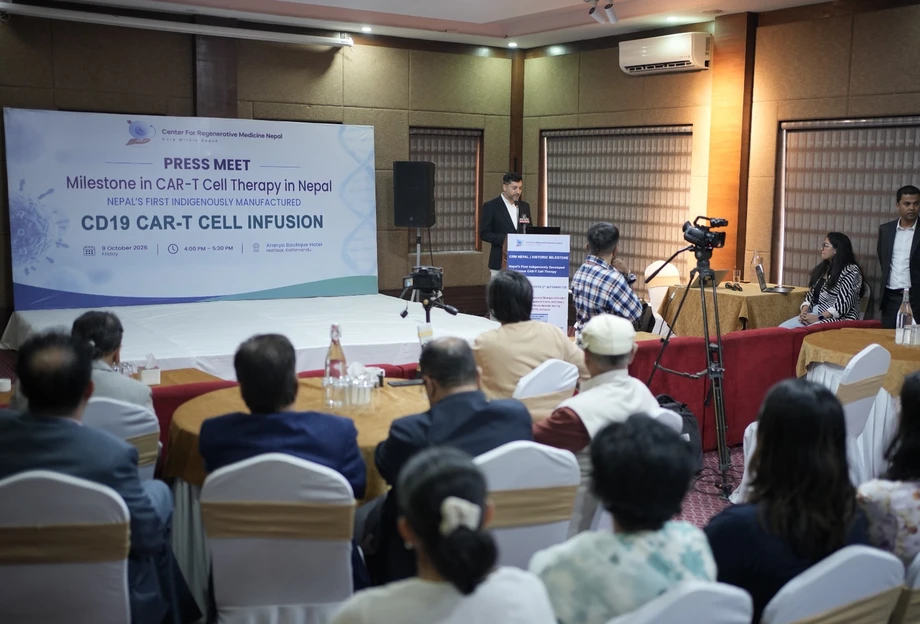
Addressing these intersecting crises requires bridging specialized medical interventions with community-based social support. Similar structural hurdles have historically affected specialized health programs in the country, such as the initial delivery of advanced cancer treatments like locally manufactured CAR T-cell therapy at Tribhuvan University Teaching Hospital, where specialized care remains concentrated in major institutions. Ensuring that mental healthcare reaches vulnerable urban populations requires decentralizing services and integrating psychological support into primary healthcare networks.
Recommendations and the Need for Holistic Action
In their conclusions, the study authors emphasized that residents of informal settlements face elevated risks of psychological distress, necessitating targeted public health interventions. They recommended a holistic approach that integrates mental health initiatives with broader social and infrastructural improvements. Such an approach would involve securing land tenure, improving basic municipal services like water and sanitation, expanding employment opportunities, and training community health workers to provide basic psychosocial support.
Public health authorities and policymakers must address both the structural determinants of poverty and the social stigma surrounding mental illness to protect vulnerable communities. Without coordinated efforts to alleviate financial instability and the constant threat of eviction, mental health initiatives alone will struggle to reduce psychological distress among urban informal settlement residents.
At a Glance
- A study published in BMC Public Health found that 18.3 percent of informal settlement residents in the Kathmandu and Pokhara Valley experience psychological distress.
- The research utilized a mixed method design, combining a quantitative survey of 2,009 participants using the GHQ-12 screening tool with qualitative interviews involving 36 residents.
- Widowed individuals showed an odds ratio of 2.11 for psychological distress compared to unmarried individuals, while divorced or separated individuals recorded an odds ratio of 3.06.
- Unemployed or informally employed participants experienced 1.6 times more psychological distress than those with formal employment.
- Identified primary triggers for distress include persistent financial stress, tenure uncertainty, fear of eviction, and challenges in accessing formal mental healthcare.
- The authors call for a holistic approach that integrates mental health initiatives with broader social, economic, and infrastructural improvements.