Cultivating Crops Beyond Earth
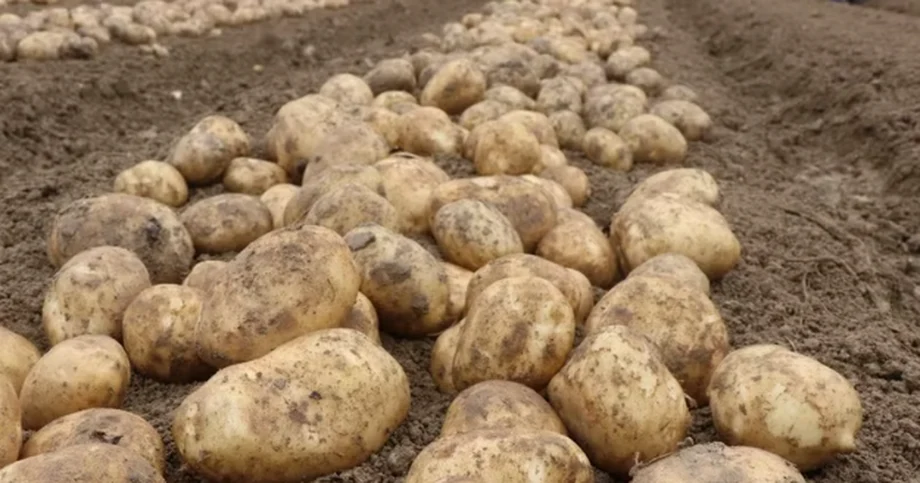
Researchers at Oregon State University have successfully grown potatoes in simulated lunar soil by mixing in organic worm compost. The study, published on November 19, 2026, in the journal npj Microgravity, demonstrates that future space travelers might produce their own food directly on the Moon rather than packing every meal from Earth. Carrying food supplies on spacecraft is expensive and space is limited, meaning long term missions depend on finding ways to grow crops locally.
Contents
Led by plant biologist Aymeric Goyer, the research team focused on the Modoc potato variety, an early maturing cultivar featuring reddish skin and white flesh. The experiments took place inside a greenhouse on Earth using engineered materials designed to replicate the powdery, rocky dust found on the lunar surface. Lunar regolith, the blanket of loose stones and dust covering solid rock on the Moon, lacks nitrogen and contains virtually no organic matter, making it impossible for plants to grow there naturally.
The Role of Worm Compost in Lunar Farming
To give plants a fighting chance, the scientists mixed the mock moon dirt with vermicompost, a nutrient-rich organic soil amendment produced when composting red wigglers (Eisenia fetida) break down food scraps and organic waste. Without any compost added, potato plants grown in the simulated lunar soil suffered severe stunting and produced almost no roots or tubers. When the researchers added 5 percent to 15 percent vermicompost, the plants showed only partial recovery, struggling to reach normal size.
Everything changed when the mixture reached a 30 percent proportion of vermicompost. At that specific level, the potato plants achieved growth and tuber yields that matched potatoes grown in ordinary agricultural soil from Hermiston, Oregon, a region known for producing some of the highest potato yields in the world. Oregon State University postdoctoral researcher David Handy explained how the organic matter helps protect the plants from harsh elements.
We believe the compost helps balance some of the toxicity we see in lunar regolith by reducing plant exposure to harmful compounds.
Lunar regolith presents several distinct challenges to botanical cultivation, including elevated levels of heavy metals and sharp, glass-like particles that can damage plant tissues. The organic matter binds with those heavy metals, preventing them from over-accumulating in the roots and tubers.
Testing Different Types of Moon Terrain
The Moon features different geological regions with distinct soil properties, so the research team tested five different regolith simulants representing both lunar mare, which are dark volcanic plains formed by cooled lava, and lighter lunar highland regions. The specific simulants included LMS-1E for mare regions and NUW-LHT-5M for highlands. While potatoes managed to sprout in all the tested simulants, performance varied based on the mineral makeup of each sample.
Plants grown in the highlands simulant NUW-LHT-5M faced the toughest conditions, emerging about 24 days after planting compared to just 4 to 8 days in other simulants, with only three out of five test plants managing to produce tubers. The highlands soil contains plagioclase rich in aluminum and calcium, and the sharp particles placed extra physical stress on the plant roots. Tubers grown in those highlands simulants also accumulated higher amounts of aluminum, while plants in certain mare simulants absorbed more copper and zinc due to the local abundance of iron, titanium, and magnesium.
Nutritional Safety and Future Food Supply
Ensuring that space grown food is safe to eat remains a top priority for researchers working to support NASA and its Artemis program, which aims to establish a sustained human presence near the lunar south pole. Laboratory tests on the harvested lunar potatoes revealed that their metabolite profiles showed only minor differences compared to control samples grown on Earth. Crucially, the potatoes showed no statistically significant increase in glycoalkaloids, which are naturally occurring potato toxins that can cause green skin discoloration and illness when consumed in high amounts.
Researchers selected potatoes for the space agriculture trials because they produce more calories per unit of land area than many alternative staple crops. A single potato provides substantial nutritional value, offering more potassium than a banana, generous amounts of vitamin C, and quality proteins that help create a high feeling of fullness. Aymeric Goyer noted the practical advantages of the crop for space missions.
Potatoes provide more calories per land area than many other crops. They are nutritious, they provide more potassium than a banana, are rich in vitamin C, have good proteins, and they have a high satiety index.
The Closed Loop System for Astronauts
Establishing agriculture on the Moon will require creating a sustainable cycle where waste is constantly recycled back into the soil. Astronauts cannot realistically keep shipping new fertilizer from Earth, so the vision for a lunar base relies on an in-situ composting loop. Crew members would bring a small starter supply of vermicompost to kickstart the system, then continuously generate more organic fertilizer by feeding their food scraps and leftover plant waste to worms.
While the initial sample potatoes were grown in small pots and weighed less than a third of an ounce (10 grams), subsequent trials using larger containers successfully produced full-sized potatoes similar to those found in grocery stores. The ongoing research extends beyond just one type of potato, with the team preparing a forthcoming study that will evaluate 10 different potato varieties in lunar simulants to find the most resilient and productive cultivars for future space missions.
At a Glance
- Researchers at Oregon State University successfully grew potatoes in simulated lunar soil mixed with 30 percent worm compost.
- The study was published on November 19, 2026, in the journal npj Microgravity with support from NASA.
- Unamended lunar soil caused severe stunting and poor root development due to a lack of nitrogen and the presence of heavy metals.
- Organic vermicompost helped bind heavy metals and reduced toxicity, allowing plants to achieve yields comparable to Earth-grown crops.
- Laboratory analysis confirmed the harvested potatoes had no significant rise in natural toxins and maintained normal nutritional quality.
- Scientists plan to test 10 different potato varieties next to identify the best candidates for future lunar bases.