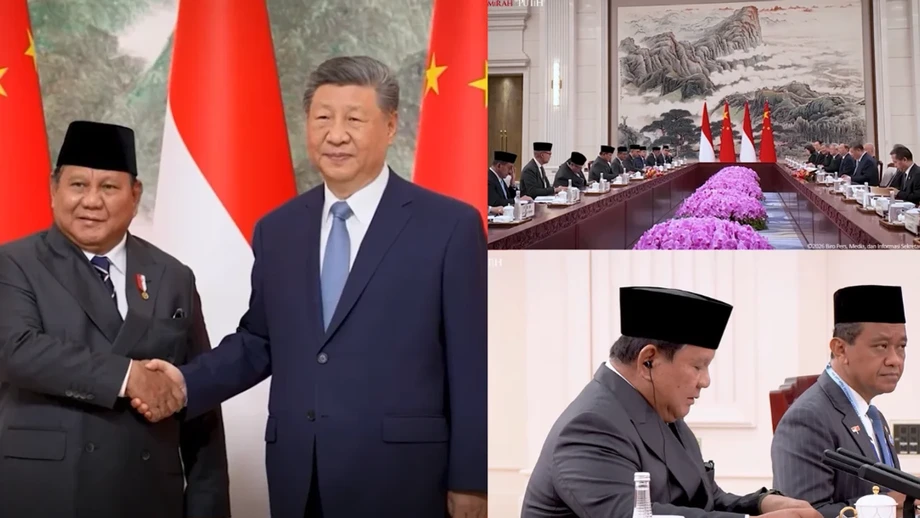
New Economic Partnership Talks Begin in Shenzhen
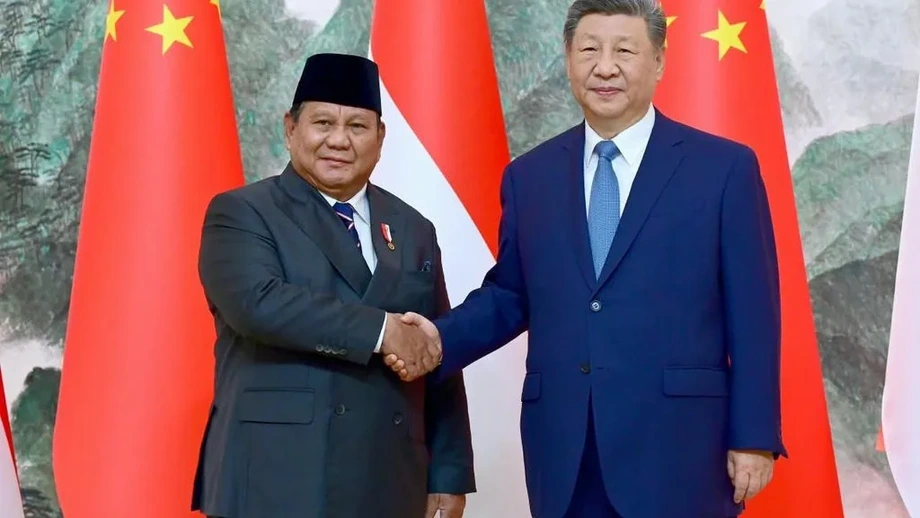
Chinese President Xi Jinping and Indonesian President Prabowo Subianto announced the launch of negotiations for a bilateral comprehensive economic partnership on Friday, November 20, 2026. The announcement took place during a high-level meeting in Shenzhen, located in south China's Guangdong Province, on the sidelines of the 33rd APEC Economic Leaders' Meeting. President Prabowo traveled to China for the summit, which ran from Wednesday to Thursday, marking another milestone in the diplomatic exchanges between the two leaders. President Xi noted during the talks that the two nations should strengthen strategic communication, solidarity, and political trust while jointly guarding against external risks. He called for an all-round, high-standard agreement to be reached at an early date, building upon an existing foundation of economic and political collaboration.
Contents
President Prabowo highlighted the growing closeness of the two nations during their discussions at Kylin Villa in Shenzhen, stating that their bilateral ties are stronger than ever before. He noted that he has held four meetings with President Xi in recent years, which have provided a strong boost to bilateral progress. The official government statement on the talks was published by the State Council Information Office, detailing the shared goals of both administrations. Alongside the economic partnership talks, the two governments reviewed major infrastructure projects, technology initiatives, and cooperative frameworks spanning multiple industries.
Expanding Investment and Bilateral Trade Statistics
Trade and investment ties form the backbone of the relationship, with China remaining Indonesia's largest trading partner. Bilateral trade reached US$132.13 billion during the first nine months of 2026, according to official trade figures released by Indonesian Trade Minister Budi Santoso. For that same nine month period, Indonesia recorded a trade deficit of US$21.2 billion with China, as imports totaled US$76.67 billion while exports reached US$55.47 billion. Looking back at full year data, bilateral trade totaled US$154.37 billion in 2025, with Indonesian exports accounting for US$66.96 billion and imports amounting to US$87.41 billion. Indonesia's primary export products to China include ferroalloys, nickel matte, lignite, coal, and copper ores and concentrates. In terms of foreign investment, China recorded US$7.5 billion in realized investments in Indonesia during 2025, making it the country's third-largest source of foreign investment.
Business ties expanded further in Shenzhen, where Indonesian and Chinese companies signed 35 business agreements valued at approximately US$15 billion. These commercial deals cover sectors such as renewable energy, data centers, vaccines, manufacturing, and digital infrastructure. President Prabowo emphasized that Indonesia is fully committed to providing a reliable, stable, and predictable business environment to encourage continued investment by Chinese enterprises. Trade Minister Budi Santoso noted that these agreements aim to increase market access and create added value for both economies, building upon trust and credible partnerships forged over years of commercial exchange.
Major Infrastructure Projects and Smart City Plans
Infrastructure development remains a central pillar of the bilateral relationship, with both leaders urging progress on landmark engineering ventures. President Xi specifically called for the continued advancement of the Jakarta-Bandung High-Speed Railway, a $7.3 billion China-funded bullet train project that connects Indonesia's capital with the nearby hub of Bandung. Another major initiative highlighted during the summit is the Two Countries, Twin Parks project, which promotes industrial connectivity between designated zones in both countries. These physical projects are complemented by broader financial and monetary agreements, echoing recent steps such as the decision to allow reciprocal bond issuance, which was detailed in earlier coverage of sovereign debt markets.
The infrastructure agenda also incorporates a massive urban development package. Earlier in the week, Indonesia and China agreed to establish four strategic partnerships worth $71.8 billion, with nearly 70 percent of the package directed toward constructing 10 smart cities. This ambitious urban plan pairs physical construction with research, training, and financing through Indonesia's sovereign investment fund, Danantara, alongside Chinese partners including Shaanxi Construction Engineering Group Corporation Limited. The wider financial ecosystem supporting these projects builds upon previous digital initiatives, such as the cross-border QRIS payment connection discussed in local banking system reports, which allows travelers to settle transactions using local currencies without relying on the United States dollar.
Cooperation in Artificial Intelligence and International Mediation
Technological collaboration and global governance platforms formed a significant part of the Shenzhen agenda. President Prabowo confirmed to President Xi that Indonesia has completed the ratification process for joining the World Artificial Intelligence Cooperation Organisation and the International Organisation for Mediation. These memberships are designed to expand Indonesia's participation in international dispute resolution and digital governance. The two nations intend to deepen cooperation in artificial intelligence, the digital economy, clean energy, and energy and mineral resources, aligning their technical capabilities with long-term modernization goals.
The broader technological framework intersects with complex global supply chains, particularly in critical minerals. Indonesia holds vast reserves of nickel, bauxite, and copper, which are essential for manufacturing electric vehicles and modern electronics. While Chinese companies have historically dominated nickel refining in Indonesia through massive industrial parks like the Indonesia Morowali Industrial Park, Jakarta has also diversified its international partnerships, as seen in mineral agreements with American firms. Despite shifting dynamics in global commodity markets, such as falling prices for refined metals that have impacted certain smelting facilities, the partnership between Jakarta and Beijing continues to adapt through joint investments in high technology and digital infrastructure.
Navigating Maritime Cooperation and Regional Stability
Regional security and multilateral diplomacy were prominent themes during the bilateral talks. President Prabowo reported positive progress on joint development plans involving the disputed South China Sea, noting that the two countries have reached a more aligned understanding. The subject of joint maritime development in overlapping claims has been sensitive in the past, sparking domestic debate in Indonesia regarding sovereign rights. However, the Indonesian government maintains that it will always safeguard its sovereignty while pursuing constructive economic engagement. President Prabowo expressed admiration for the diplomatic efforts of major global leaders at the APEC summit, reaffirming Indonesia's longstanding foreign policy of non-alignment and friendship with all nations.
President Xi stated that China is ready to strengthen coordination and collaboration with Indonesia within multilateral frameworks, including the United Nations, APEC, and China-ASEAN cooperation. Both leaders agreed to support ASEAN in enhancing unity and strategic autonomy, safeguard regional security, and reform global governance to defend the common interests of the Global South. President Prabowo commended China's role as a responsible major country in international affairs, noting that the strengthening strategic partnership will continue to contribute to regional and global peace and stability.
The Essentials
- Chinese President Xi Jinping and Indonesian President Prabowo Subianto announced the launch of negotiations for a comprehensive economic partnership on November 20, 2026, in Shenzhen.
- Bilateral trade reached US$132.13 billion during the first nine months of 2026, with Indonesia recording a trade deficit of US$21.2 billion against China.
- Indonesian and Chinese businesses signed 35 agreements valued at approximately US$15 billion covering energy, manufacturing, and digital infrastructure.
- The two nations are advancing major infrastructure projects including the Jakarta-Bandung High-Speed Railway and a $71.8 billion package featuring 10 smart cities.
- Indonesia confirmed the completion of its ratification process to join the World Artificial Intelligence Cooperation Organisation and the International Organisation for Mediation.