Bessent States Current Chip Restrictions Are Sufficient
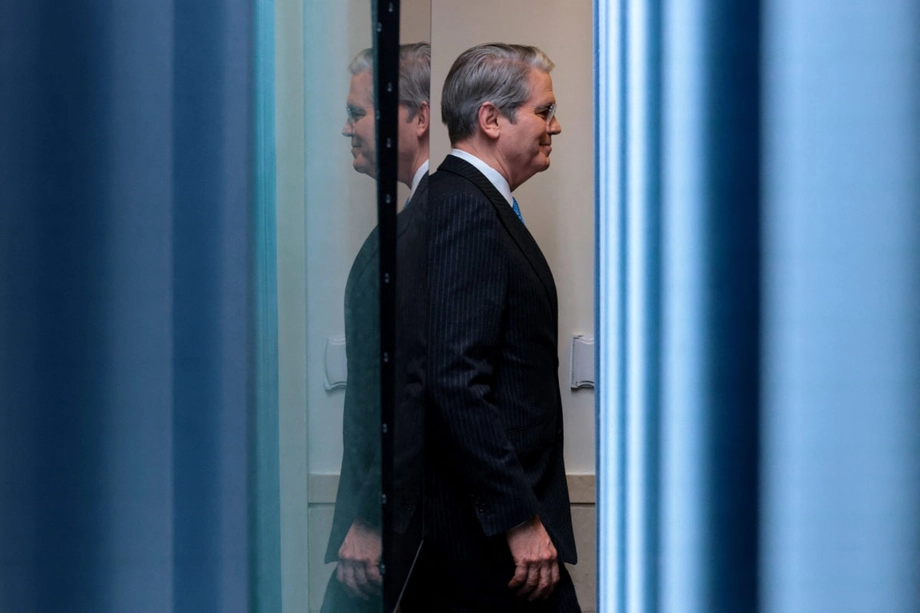
Treasury Secretary Scott Bessent stated on November 20, 2026, that no additional restrictions on selling older Nvidia processors to China are necessary. His comments followed actions by the administration of President Donald Trump to block remote access to the newest semiconductor technology for Chinese firms. The scrutiny intensified after Jensen Huang stepped down as chief executive of Nvidia following revelations regarding a personal relationship with an executive at Megaspeed, a Singapore-based enterprise that utilizes advanced hardware to provide remote computing power to Chinese clients. Bessent emphasized during a media interview that existing safeguards remain adequate and remote access points have been successfully closed.
Contents
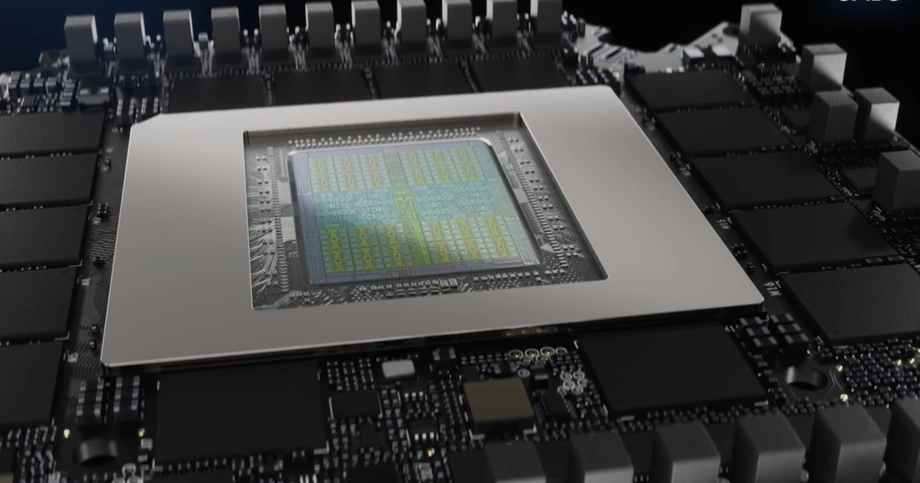
Artificial intelligence chips are specialized computer processors designed to handle massive computational workloads, enabling software systems to learn from vast data collections and execute complex operations. U.S. authorities have historically limited the export of these powerful processors to safeguard national security. The current regulatory debate centers on whether permitting transactions for older generation hardware creates unacceptable vulnerabilities or simply pushes foreign competitors to develop domestic alternatives. The specific components under discussion include the H200 processor manufactured by Nvidia, a Santa Clara-based technology firm, which remains a capable tool for developing software models despite the existence of newer hardware generations.
The debate over semiconductor shipments involves complex international trade rules and national security protocols. The Bureau of Industry and Security operates under the Federal Register to establish export controls that govern how sensitive technology moves across international borders. These regulations determine which foreign entities can purchase U.S.-manufactured components and establish oversight mechanisms to prevent unauthorized diversions. Federal agencies review license applications on an individual basis to balance commercial interests with defense priorities.
Congressional Scrutiny and Approved Chip Allocations
The House Foreign Affairs Committee released detailed findings showing that the Department of Commerce approved the sale of more than 850,000 advanced chips to companies with ties to China. The approved transactions cover H200 processors from Nvidia and comparable MI325X chips from Advanced Micro Devices. The Commerce Department's Bureau of Industry and Security processed these requests through twenty-one license applications submitted up to May 11, 2026. The initial requests from manufacturers sought to sell more than 3.4 million units to Chinese-tied organizations.
The official House Foreign Affairs Committee report detailing Commerce Department chip approvals noted that applications covering NVIDIA H200 and AMD MI325X chips sought to transfer 3,444,160 covered integrated circuits to PRC companies, with approvals covering 879,868 circuits across 21 applications as of May 11, 2026.
Several major Chinese enterprises appeared on the list of approved recipients. Records show allocations of 75,000 chips for Alibaba, 150,000 chips for Tencent and its subsidiaries, 43,000 chips for Baidu, and 4,000 chips for BYD. The Department of Defense previously identified each of these corporations as having connections to the Chinese military. A spokesperson for the licensing bureau defended the transparency of the regulatory process and noted that approvals are granted under strict national security requirements rather than a presumption of denial.
The regulatory framework allows for controlled exports under specific compliance conditions. Exporters must certify that their shipments do not compromise domestic supply chains or divert foundry capacity away from American customers. The administration previously established a framework permitting sales of older components under close supervision and a revenue-sharing arrangement. This approach aims to capture commercial value while maintaining oversight over sensitive technological capabilities.
Leadership Crisis and Compliance Demands at Nvidia
Jensen Huang resigned from his position as chief executive after leading Nvidia for thirty-three years, concluding a tenure marked by rapid expansion and soaring corporate valuations. The departure coincided with public scrutiny surrounding personal conduct and investigations into the flow of advanced microchips through overseas intermediaries. Interim Chief Executive Colette Kress assumed leadership responsibilities alongside her role as chief financial officer, while Harvey Jones was appointed as the company's first chairman of the board. The corporate leadership transition follows ongoing scrutiny regarding internal compliance protocols and the oversight of international sales channels.
Treasury Secretary Scott Bessent publicly criticized the internal controls at Nvidia and drew comparisons to regulated financial institutions. He stated during a television interview that regulatory bodies would normally remove executive leadership if a bank failed to maintain compliance standards. Bessent also issued a demand for Nvidia executives to explain their shipping practices within ten days. The company previously confirmed that it halted all shipments of licensed Hopper data center products to China despite earlier government approvals, and removed projected China revenue from its financial outlook.
The corporate governance crisis at the chipmaker follows earlier disclosures regarding management practices and executive conduct. As detailed after last year's investigations into workplace culture, internal disputes and aggressive management techniques created significant liabilities for the organization over multiple decades. The current board of directors rejected proposals to reinstate the former chief executive and retained independent legal counsel to conduct a comprehensive internal review.
Timeline of Key Events
- December 2025: President Trump authorizes sales of H200 chips to select Chinese buyers under a revenue-sharing framework.
- October 2025: Senator Tom Cotton sends a correspondence calling for an investigation into Singapore-based Megaspeed.
- November 12, 2026: Jensen Huang steps down from his leadership roles following public disclosures regarding personal relationships.
- November 13, 2026: Treasury Secretary Scott Bessent discusses export policy and interagency disagreements during a media interview.
- November 17, 2026: Interim Chief Executive Colette Kress announces the suspension of all licensed Hopper shipments to China during an earnings call.
- November 19, 2026: The California Attorney General issues an investigative subpoena to Nvidia regarding potential export violations and investor disclosures, following the state inquiry into corporate transparency.
International Reactions and Enforcement Challenges
Chinese government representatives responded sharply to the new export restrictions implemented by Washington. Guo Jiakun, spokesperson for the Chinese foreign ministry, described the measures during a press briefing as a typical case of economic coercion and long-arm jurisdiction that contradicts previous bilateral discussions. Observers note that domestic semiconductor development within China continues to advance as local firms prioritize indigenous technologies over foreign hardware alternatives.
The Commerce Department enacted new export rules to prevent sensitive computing hardware from reaching data centers that provide significant computing power to countries under arms embargoes, replacing earlier policies that had been allowed to lapse. Administration officials acknowledged internal debates regarding the speed and intensity of trade restrictions. President Donald Trump defended Commerce Secretary Howard Lutnick against calls for his dismissal and minimized reports of friction among cabinet members regarding trade policy toward China.
The regulatory changes also expand oversight to additional jurisdictions to prevent transshipment through third-party nations. New licensing requirements now apply to advanced chip exports destined for countries such as Singapore and Brazil. These measures seek to close potential loopholes that allow restricted technologies to reach prohibited destinations through secondary markets.
California Attorney General Investigative Subpoena
California Attorney General Rob Bonta served an investigative subpoena on Nvidia on Thursday, November 20, 2026. The text of the California Attorney General investigative subpoena issued to Nvidia directs the company to provide information and records to evaluate whether China illegally obtained advanced semiconductor technology or confidential corporate information, and whether Nvidia misled investors and the public about potential security risks.
The Bottom Line
- Treasury Secretary Scott Bessent stated that current export restrictions on older Nvidia chips are sufficient and require no further additions.
- The Department of Commerce approved license applications for approximately 879,000 advanced chips destined for Chinese-tied entities.
- Nvidia halted all shipments of licensed H200 processors to China and removed related revenue projections from its financial outlook.
- Jensen Huang resigned following controversies regarding personal conduct, and the company board rejected his potential reinstatement.
- Federal regulators and state authorities continue independent investigations into export compliance, corporate governance, and investor disclosures, including the California Attorney General investigative subpoena issued to Nvidia.