Unveiling Workplace Bullying at Nvidia
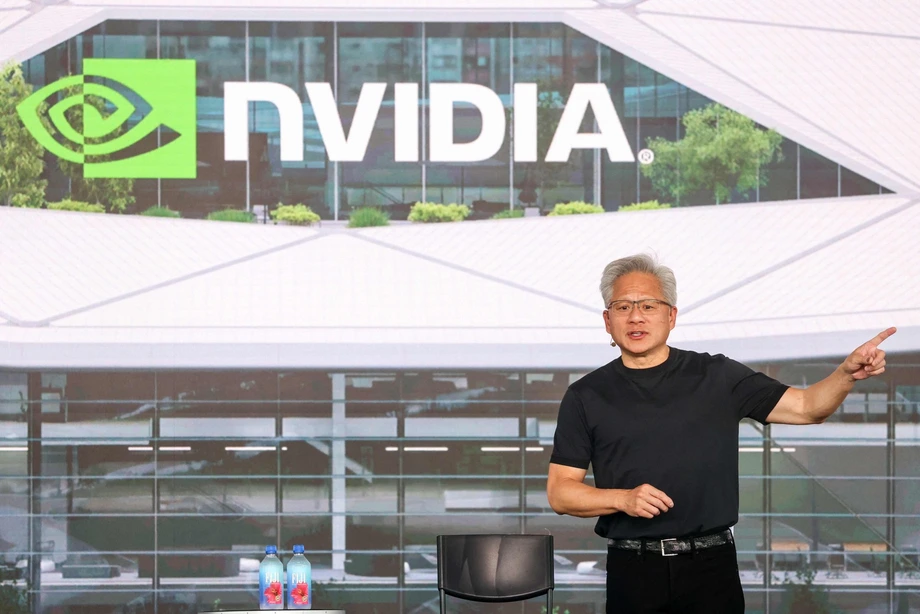
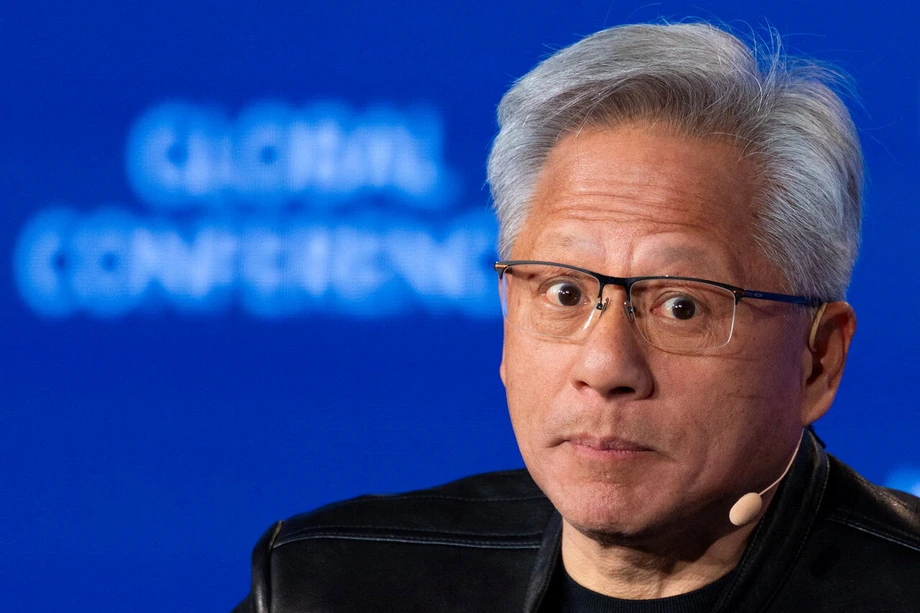
Former Nvidia chief executive Jensen Huang is facing explosive allegations of workplace bullying and psychological intimidation, adding new turmoil to his sudden departure from the artificial intelligence giant. Extensive court documents and interviews spanning more than twenty years detail a pattern of aggressive management techniques employed by Huang during his tenure leading the company. Several current and former employees revealed that Huang frequently relied on fear and public humiliation to motivate his workforce, arguing that traditional financial incentives were no longer sufficient as staff accumulated substantial wealth amid skyrocketing company valuations.
Contents
Witnesses described numerous instances where Huang lost his temper during corporate meetings, utilizing extreme and violent rhetoric to berate subordinates. Accounts from multiple sources indicate that Huang once told a senior manager that his mother should have aborted him, while also threatening to crack open an employee skull and urinate on their brain. Other reported threats included promises to tear off a subordinate limbs and beat them to death with their own detached arms, as well as publicly mocking a senior executive in his seventies by stating that everyone hoped he would die soon.
Legal Fallout from Early Management Practices
These aggressive management strategies created serious legal liabilities for Nvidia as early as the mid-2000s, when high-ranking executives began challenging the boundaries of acceptable workplace conduct. Michael Winston, who served as senior vice president of human resources, joined the company in September 2004 and quickly grew alarmed by the chaotic environment and pervasive fear. Winston documented a meeting in October 2004 where approximately fifty employees listened as Huang allegedly threatened to rip out their hearts and stomp on them if they failed to comply with his demands.
When Winston confronted Huang to warn him that such severe abuse crossed legal lines and exposed Nvidia to potential lawsuits, the chief executive dismissed the concerns as a normal initiation rite. Winston noted that Huang boasted about subjecting new hires to psychological torment during their first six months to test their resilience, asserting that he found the process entertaining. Winston was abruptly fired the following month after threatening legal action, and Nvidia ultimately resolved the resulting dispute by paying a confidentiality settlement exceeding one million dollars to prevent further litigation.
The Intimidation Culture Within Leadership
This aggressive operational philosophy extended far beyond basic management tactics, permeating the highest echelons of corporate leadership and involving members of Huang own family. Madison Huang, the thirty-five-year-old daughter of the former chief executive who served as a senior director of product marketing and effectively functioned as her father chief of staff, has been accused of fostering a similarly hostile environment. Former and current personnel reported that her frequent screaming and verbal abuse drove more than a dozen key executives to resign from the firm.
Internal audio recordings and witness accounts from the previous year illustrate how this intimidating behavior impacted senior managers during routine operations. During a tense telephone conference, Madison Huang berated a marketing vice president so severely that the recipient suffered a panic attack and was forced to abandon the call immediately. Colleagues frequently described her as demanding and disparaging, noting that she routinely insulted staff members by calling them goldfish or dead face, while other senior leaders felt powerless to intervene because of her familial relationship to the chief executive.
Public Outbursts and International Repercussions
The high-pressure management style also manifested in public settings, occasionally alienating prominent figures within the broader technology sector and political sphere. During a developer conference dialogue with Mistral chief executive Arthur Mensch, Huang reportedly interrupted the French artificial intelligence executive and publicly disparaged his communication style, leaving attending researchers shocked by the abrupt hostility. Similar incidents occurred behind closed doors, including a February closed-door meeting where Huang reportedly wished a severe illness and death upon his global field operations executive.
These behavioral revelations coincided with severe geopolitical and national security scrutiny involving international business relationships and personal conduct. Federal investigators and intelligence officials examined Huang personal and professional contacts, including ties to Alice Huang, a former executive at Singapore-based data center firm Megaspeed International. U.S. intelligence agencies reportedly suspected that Alice Huang acted on behalf of foreign intelligence operations to gather sensitive information regarding advanced semiconductor technology, allegations that both Megaspeed and Chinese diplomatic representatives strongly denied.
Political Reactions and Corporate Governance
The unfolding scandal prompted diverse reactions from political leaders and international observers as the company attempted to stabilize its leadership structure. President Donald Trump publicly voiced support for the disgraced executive, suggesting during a White House press conference that Nvidia should grant a second chance to someone he described as exceptionally brilliant. Trump also discussed bilateral semiconductor trade policies and export restrictions with foreign counterparts, emphasizing the strategic importance of maintaining American leadership in artificial intelligence hardware.
Conversely, congressional figures such as Senate Intelligence Committee Chairman Tom Cotton criticized trade authorities for allegedly ignoring persistent warnings regarding illegal chip smuggling networks and intermediary front companies operating in foreign jurisdictions. Within the corporation, directors moved quickly to distance themselves from the controversy following the resignation of the co-founder. The board of directors, led by Chairman Harvey C. Jones, instituted an independent review led by outside legal counsel and elevated Chief Financial Officer Colette Kress to the role of interim chief executive to maintain operational continuity.
The Essentials
- Jensen Huang resigned from Nvidia on November 12, 2026, ending thirty-three years at the head of the company he co-founded in 1993.
- Multiple current and former employees reported enduring years of severe verbal abuse, public humiliation, and violent threats from the former chief executive.
- Corporate documents revealed a 2004 settlement exceeding one million dollars paid to former human resources executive Michael Winston after he objected to workplace intimidation.
- Internal complaints also targeted Madison Huang, the executive daughter of the former CEO, whose aggressive management style reportedly drove more than a dozen senior leaders to quit.
- Chief financial officer Colette Kress assumed interim leadership duties while an independent board committee investigates the circumstances surrounding the leadership transition and security inquiries.