Understanding the Chip Control Debate
Artificial intelligence chips are the powerful computer processors that allow software systems to learn from vast amounts of data and perform complex tasks. For years, the United States government has restricted the export of these advanced processors to China to protect national security. The debate centers on whether selling older generation processors creates security risks or simply encourages Chinese companies to build their own technology. U.S. Treasury Secretary Scott Bessent defended the existing policy during an interview, stating that the current restrictions are sufficient and no further limitations on older hardware are necessary.
Contents
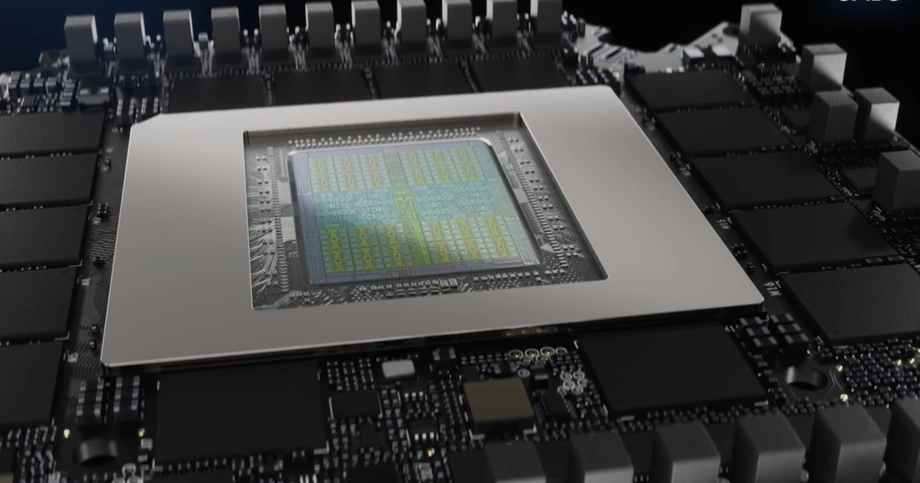
The policy under discussion specifically involves older components like the H200 processor created by Nvidia, a company based in Santa Clara, California. While newer generations of hardware exist, these older processors remain capable tools for developing software models. President Donald Trump previously established a framework allowing U.S. companies to export these specific items under strict supervision and a tariff system. Secretary Bessent affirmed that this approach remains active despite mounting pressure from lawmakers and ongoing investigations.
The Scope of Approved Chip Exports
Data released by the House Foreign Affairs Committee revealed that the U.S. Commerce Department had approved applications to export nearly 880,000 advanced chips to companies with ties to China. The Bureau of Industry and Security processed these requests under a system revised to review applications on a case-by-case basis. The approved volume represents a fraction of the initial requests submitted by semiconductor manufacturers such as Nvidia and Advanced Micro Devices.
Among the recipients identified in the congressional records are major Chinese technology enterprises including Alibaba, Tencent, Baidu, and BYD. The U.S. Department of Defense has previously identified several of these organizations as having links to the Chinese military. The approvals include products designed to operate below specific performance thresholds, requiring exporters to certify that shipments do not compromise domestic U.S. supply chains or divert foundry capacity away from American customers.
Nvidia Halts Shipments Amid Leadership Changes
Nvidia confirmed that it has stopped shipping licensed Hopper data center products to China, even for customers who had already secured export approvals. Interim Chief Executive Officer Colette Kress told financial analysts that the company removed China data center compute revenue from its fourth-quarter financial outlook. During the quarter ended October 25, Nvidia recorded $2.4 billion in sales for those licensed products, representing about two percent of its total quarterly revenue of $115.8 billion.
The suspension of shipments coincides with a major leadership transition at the chipmaker. Co-founder Jensen Huang stepped down as chief executive after a 33-year tenure following controversies surrounding his personal relationships. Chief Financial Officer Colette Kress assumed the role of interim chief executive, while Harvey C. Jones was appointed as the company's first chairman of the board. Treasury Secretary Scott Bessent publicly called on the company board to conduct an external search for a permanent successor and demanded answers regarding compliance protocols.
Remote Access and Third-Country Regulations
Concerns regarding export controls extend beyond physical shipping containers to include cloud computing and remote access networks. The U.S. government implemented new regulatory measures requiring special authorization for data centers worldwide that provide computing power to companies headquartered in countries of concern, including China. These rules target overseas facilities in regions identified as higher-than-normal diversion risks, such as Singapore and Malaysia.
Investigators have examined whether intermediaries like Megaspeed, a Singapore-based cloud computing provider, facilitated the transfer of restricted technology to Chinese entities. Federal agencies have reviewed transactions involving high-end processors to determine whether remote access allows researchers to train advanced models using hardware that never crossed physical borders into mainland China. The regulatory framework requires cloud providers to verify customer identities and ensure prohibited parties cannot access algorithms or model weights.
Market Reactions and Domestic Production in China
Chinese technology companies have simultaneously pursued domestic semiconductor development to reduce reliance on foreign suppliers. Firms like Baidu have expanded their artificial intelligence cloud infrastructure while developing custom processors to handle data processing locally. Industry analysts estimate that domestic Chinese chip production remains years behind American technology, creating a strong reliance on external hardware whenever trade rules permit.
Market participants have adjusted their expectations following the suspension of direct exports and the introduction of stricter remote access rules. Nvidia shares experienced modest upward movement following earlier earnings reports, while state investigations in California examined whether corporate disclosures adequately represented the risks associated with international business relationships. State Attorney General Rob Bonta issued an investigative subpoena to review whether restricted technology reached unauthorized recipients, stating: "Nvidia's and its former CEO's conduct raises serious concerns," and adding that "Nvidia is in a complicated, transnational situation, but the fundamental principle of our securities law is clear: companies cannot mislead their investors."
The Essentials
- Treasury Secretary Scott Bessent stated that no further limits on older chip exports are needed, confirming that existing safeguards are sufficient.
- Congressional data revealed that U.S. authorities approved export licenses for nearly 880,000 processors intended for Chinese enterprises.
- Nvidia interim Chief Executive Officer Colette Kress confirmed that the company has halted shipments of licensed Hopper data center products to China.
- Jensen Huang departed as chief executive after 33 years, prompting the board to evaluate external candidates for permanent leadership.
- New federal regulations require export licenses for overseas data centers that rent substantial computing power to companies in restricted nations.