The Plan to Move Refugees
Malaysia remains committed to a proposed arrangement that would send 10,000 Rohingya refugees to Turkey through a structured skills training programme. Deputy Prime Minister Ahmad Zahid Hamidi initially announced this initiative on Friday, November 20, 2026, stating that the government wanted to address the presence of the ethnic group in a more organised, effective, and humane manner. Technical and vocational education and training programmes lasting three to six months would prepare participants for new lives abroad. The announcement vanished from the official Facebook page without public explanation shortly after publication, prompting widespread questions about the status of the agreement.
Contents
Shuhaimi Mohamed, press secretary to the deputy prime minister, explained on Saturday, November 21, 2026, that the initial post was made because efforts were indeed under way. He noted that certain matters still required further coordination with relevant parties before the arrangement could proceed. The goal of the initiative is to serve the best interests of the country and its people while offering participants a viable path forward.
Coordination and Official Responses
International reactions to the announcement introduced conflicting accounts regarding the readiness of the agreement. The Turkish presidency department for countering disinformation posted on the social media platform X that the Malaysian statement was unfounded and urged the public to ignore false content. The Turkish Foreign Ministry declined to comment on the matter when asked by journalists. Meanwhile, the office of Ahmad Zahid could not be reached for comment outside regular office hours.
Shuhaimi addressed the confusion by confirming that discussions remain active behind the scenes. Further announcements will follow once the necessary administrative processes reach completion. The proposed relocation builds on earlier discussions concerning Rohingya resettlement plans that previously vanished from online announcements without a clear timetable.
Refugee Population Numbers in Malaysia
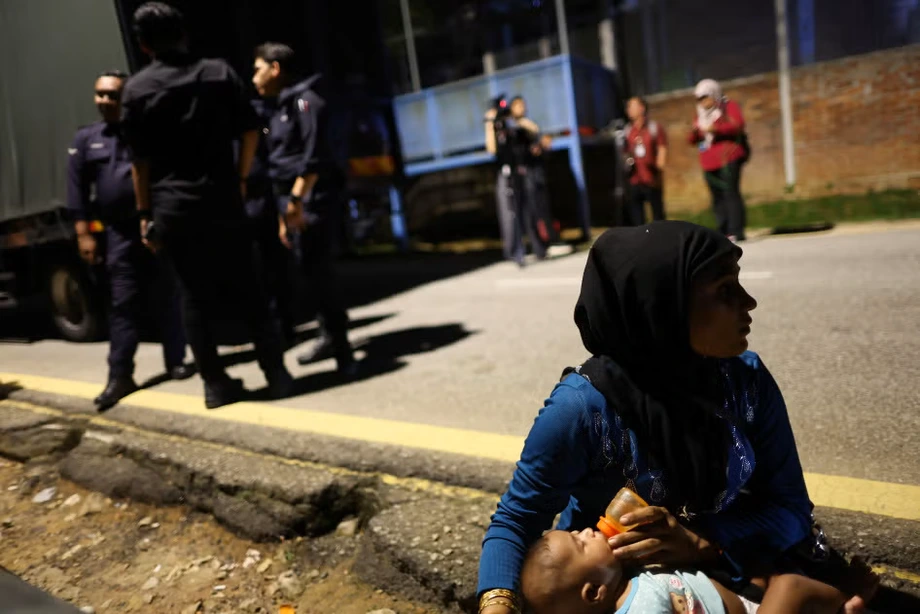
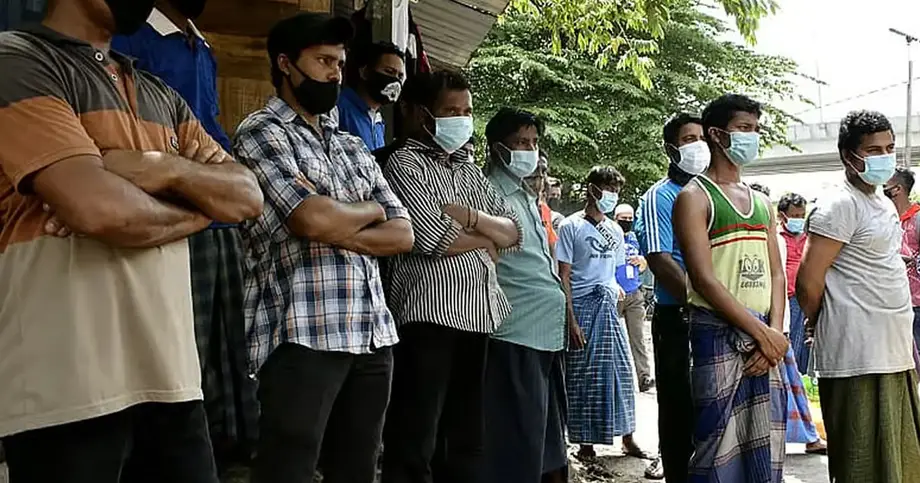
Malaysia hosts a substantial refugee population, primarily consisting of individuals fleeing conflict and persecution in Myanmar. United Nations refugee agency statistics from the end of February recorded about 193,000 registered refugees from Myanmar within the country. Approximately two-thirds of that total belong to the Rohingya ethnic minority group. A wider count from August tracked total refugees and asylum seekers at 225,740 people, with about 90 percent originating from Myanmar.
Host sentiment has shifted amid growing financial pressures and security concerns expressed by local officials. The government has simultaneously pursued returns of nationals to Myanmar, sending around 10,000 people back to their country of origin since January. These removals occurred alongside rising local tensions, which previously saw protests and deportation fears affecting vulnerable communities across several regions.
Legal Background and Regional Context
The timing of the resettlement announcement coincides with significant international legal developments concerning the Rohingya population. The International Court of Justice issued a ruling on Thursday, November 19, 2026, determining that the killings of Muslim Rohingya people by Myanmar security forces along with widespread sexual violence in 2017 amounted to state-sponsored genocide. This judicial finding highlighted the ongoing dangers facing the community if returned to their homeland.
Technical and vocational education and training programmes, often referred to as TVET, form the core of the proposed transfer mechanism to Turkey. These systems teach practical skills demanded by employers in specific industries, helping participants secure employment abroad under local labour laws. Officials stressed that the approach goes beyond simple third-country transfers by giving participants structured preparation for long-term employment and stability.
Timeline of Key Events
- 2017: Myanmar security forces commit widespread violence against the Rohingya, later ruled as state-sponsored genocide.
- January to February 2026: Malaysia returns about 10,000 Myanmar nationals while hosting roughly 193,000 registered refugees, two-thirds of them Rohingya.
- November 19, 2026: The International Court of Justice rules that the 2017 killings amounted to genocide.
- November 20, 2026: Ahmad Zahid Hamidi announces the resettlement of 10,000 Rohingya in Turkey via Facebook, a post that is later deleted.
- November 21, 2026: Turkey dismisses the announcement as unfounded on social media, while Malaysian press secretary Shuhaimi Mohamed confirms that coordination remains under way.
The Essentials
- Malaysia intends to pursue a vocational training and relocation programme for 10,000 Rohingya refugees in Turkey.
- Turkish authorities publicly dismissed the initial announcement as unfounded, while Malaysian officials insisted that coordination efforts continue.
- The UN refugee agency recorded approximately 193,000 registered refugees from Myanmar in Malaysia at the end of February.
- Malaysia has repatriated roughly 10,000 Myanmar nationals since January amid domestic frustrations over hosting duties.
- Further updates and official announcements will follow once administrative and diplomatic processes are completed.