Drivers win on booking rights as passenger misconduct ruling stands
Malaysia's Gig Workers Tribunal has found that GrabCar's Auto Accept booking system breached drivers' rights under the Gig Workers Act 2025 (Act 872), awarded one driver RM2,000 with interest, and upheld another driver's permanent account deactivation over misconduct towards passengers.
Contents
- Drivers win on booking rights as passenger misconduct ruling stands
- RM2,000 award covers an earnings dispute
- Three findings follow seven platform claims
- Why the timing of acceptance matters
- Cancellation rules need clearer boundaries
- Human support and fare transparency enter the picture
- Passenger misconduct justified permanent deactivation
- How workers can bring a dispute
- From the first hearing to the November decisions
- Key Points
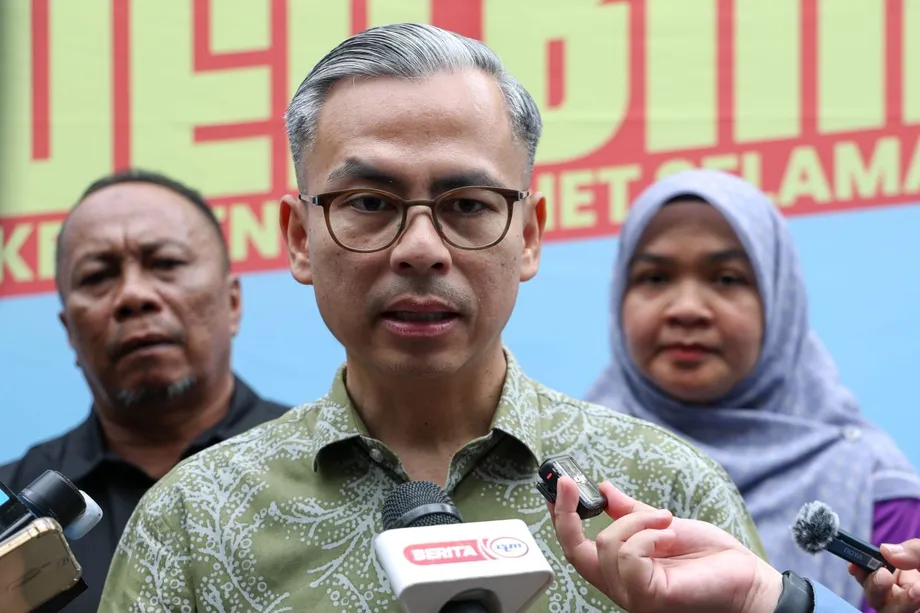
The Human Resources Ministry announced the outcomes of three disputes on November 7, 2026. Tribunal deputy president Dr Suzarika Sahak heard the cases, which concerned earnings, the operation of GrabCar Sdn Bhd's digital platform and the removal of a driver's access to work.
The booking decisions centre on a practical right: drivers must know the type of service and the agreed payment before accepting a job. The tribunal found that automatically accepting bookings before drivers received that information breached Sections 8(1)(b) and (c) of Act 872.
The tribunal also found failures in explaining temporary booking pauses and cancellation quotas. Its recommendations reached beyond the acceptance button, covering revised fares after destination changes, access to human support, passenger ratings and greater transparency about fare calculations.
The third case ended differently. Evidence of three incidents involving passenger misconduct led the tribunal to dismiss a driver's challenge to permanent deactivation. Taken together, the decisions put obligations on both sides of the platform: GrabCar must respect drivers' statutory rights, while drivers remain responsible for passengers' safety and treatment.
RM2,000 award covers an earnings dispute
The first driver partly succeeded in a financial claim involving earnings from Saver bookings and the Cashback and Advance Booking incentive. The tribunal awarded RM2,000 in compensation, with interest at eight per cent a year until full settlement.
At that rate, interest on an unpaid RM2,000 would amount to RM160 over a full year. The payment therefore carries a continuing financial cost while it remains outstanding.
The tribunal also found that GrabCar's use of Auto Accept and Fast Cancel breached Sections 8(1)(b) and (c). Those provisions protect the driver's opportunity to receive essential information about the service and payment before accepting the work.
The earnings dispute and the booking findings address connected parts of the same working relationship. A driver needs to understand both the payment attached to a booking and the rules governing incentives that contribute to income.
Three findings follow seven platform claims
The second driver brought seven claims concerning the operation of GrabCar's platform, seeking remedies other than money. A detailed account of the proceedings identified the driver as P Prabu, who obtained tribunal awards on three of those claims.
The ministry identified three breaches: inadequate explanations of temporary booking pauses, inadequate information about cancellation quotas, and the operation of Auto Accept before drivers knew the service type and earnings offered.
For temporary booking pauses, the tribunal found that GrabCar had failed to explain the conditions and duration of the measure. It found breaches of Section 8(1)(a) and Sections 8(2)(a) and (b).
A temporary pause can interrupt a driver's access to new bookings. Explaining what triggers it and how long it may last gives the driver information needed to understand the interruption and challenge a mistake.
For cancellation quotas, the tribunal found failures to explain how quotas were determined, what happened when they were exhausted, and what options existed for cancelling bookings for reasonable reasons. Those failures breached Sections 8(2)(a) and (b).
Why the timing of acceptance matters
Auto Accept takes a booking automatically on a driver's behalf. The tribunal found that the system accepted bookings before drivers were informed of the service type and earnings, breaching Sections 8(1)(b) and (c).
The timing matters because information received after acceptance arrives too late to guide the initial choice. The tribunal recommended giving drivers the service and earnings details before acceptance, followed by a reasonable and safe period in which to cancel.
M Nathan, president of the Malaysian association of delivery workers and e-hailing drivers known as TPAD, urged GrabCar to make Auto Accept an optional feature. Speaking in Cyberjaya, he called for drivers to choose whether to use it rather than face compulsory activation.
The tribunal's detailed recommendations similarly proposed allowing drivers to activate or deactivate Auto Accept at any time. Manual acceptance should remain available without affecting their statutory rights.
GrabCar's response, any implementation timetable and any appeal were not specified in the accounts of the decisions. The dates of the three rulings were also not given; November 7 was the date of the ministry's announcement.
Cancellation rules need clearer boundaries
The tribunal recommended improvements under Subsection 42(3) of Act 872 in both platform cases. These included clearer terms for temporary pauses, cancellation quotas, incentive programmes and restrictions on bookings.
One recommendation was to distinguish rejecting a booking through Fast Cancel from cancelling after a booking had been accepted. Clear categories would help drivers understand which action they had taken and which platform rules applied.
The tribunal also recommended explaining how cancellation quotas are calculated and what happens when a driver uses the quota. It called for immediate assistance where cancellation involves safety, a system error or circumstances outside the driver's control.
Those recommendations connect the acceptance and cancellation processes. A driver who needs to reject a booking must be able to understand the consequences, particularly when the reason involves safety or a technical problem rather than a simple change of mind.
The proposed improvements also covered the requirement to wait five minutes, destination changes and system errors. When a passenger changes the destination, the tribunal recommended displaying the new fare before the driver continues towards it.
Human support and fare transparency enter the picture
Drivers should have better access to platform support personnel and a human review of decisions made by automated systems, the tribunal recommended. Human review means a person can examine the circumstances behind an app's decision rather than leaving the outcome entirely to software.
The complaint recommendations included better access to urgent assistance, complaint reference numbers, explanations when complaints are closed and reasonable access to complaint records. These measures would give drivers a clearer record of what they raised and how the platform dealt with it.
The tribunal also recommended greater transparency about algorithms, the sets of rules and calculations used by software. It proposed explaining the main factors used to calculate fares and the conditions for adjusting journey estimates, alongside considering periodic audits of fare and system accuracy.
For passenger ratings, GrabCar was advised to consider a system that allows drivers to see passenger ratings before accepting bookings. The recommendation included taking account of privacy and safety for both drivers and passengers.
The compensation award, the findings of statutory breaches and the recommendations serve different purposes. The award provides a financial remedy in one driver's case, while the recommendations describe changes intended to make platform operations clearer and fairer.
Passenger misconduct justified permanent deactivation
The third driver challenged GrabCar's decision to permanently deactivate an account. The tribunal upheld the decision after finding evidence of three incidents of misconduct towards passengers, involving inappropriate conversations, intimidating or threatening behaviour, and unwarranted personal questions.
The Human Resources Ministry explained the tribunal's reasoning in its statement:
Although the deactivation of an account may affect a driver's livelihood, the tribunal held that passenger safety and well-being must not be compromised. The driver's claim was therefore dismissed.
For that driver, permanent deactivation meant losing access to work through GrabCar. The tribunal nevertheless found that the evidence justified maintaining the platform's decision.
The outcome also gives passengers a concrete place in the dispute process. Their treatment during journeys formed the basis for upholding removal from the platform, even as the other cases required GrabCar to respect drivers' rights over bookings and information.
How workers can bring a dispute
Dr Hanna Ambaras Khan, a senior lecturer at Universiti Putra Malaysia's School of Business and Economics, described the tribunal process in an explanation published on October 27, 2026. She said the first tribunal case was heard on September 1, 2026, at the Labour Office in Kuching, Sarawak, involving an e-hailing driver and GrabCar.
Her explanation described a staged process: an internal grievance mechanism with a 30 day period, followed by conciliation if the dispute remains unresolved, before referral to the tribunal. Conciliation involves assistance from a person who helps the parties try to reach an agreement.
Account deactivation is treated as a critical issue that can proceed directly to conciliation, she explained. That gives workers who have lost platform access a different starting point from an ordinary internal complaint.
Dr Hanna said lawyers are generally not permitted to argue tribunal cases. Workers may represent themselves, receive assistance from family members or be represented by a colleague from an association. She also described powers under Sections 33 and 40 to call witnesses, examine documents and require expert evidence.
Drivers preparing a dispute can preserve screenshots showing booking details and fares, earnings and incentive records, notices of account restrictions, and communications with platform support. Complaint reference numbers and dates help connect each disputed event to the response it received.
From the first hearing to the November decisions
The tribunal's early development and the GrabCar decisions span several dates:
- September 1, 2026: The first Gig Workers Tribunal case was heard at the Labour Office in Kuching, according to Dr Hanna's explanation.
- October 27, 2026: Dr Hanna outlined the complaint process, tribunal powers and enforcement provisions.
- November 6, 2026: Coverage of Prabu's case detailed recommendations on optional Auto Accept, cancellations, fares and support.
- November 7, 2026: The Human Resources Ministry announced the outcomes of the three GrabCar disputes.
Dr Hanna described tribunal decisions as having the force of Sessions Court orders, with noncompliance potentially attracting a fine of up to RM50,000. She said appeals to the High Court remain possible and identified Section 42(4) as providing remedies ranging from compensation and restored platform access to maintaining deactivation where misconduct warrants it.
The ministry pledged to strengthen enforcement of Act 872 through the tribunal, which it described as an independent, fair and effective dispute resolution mechanism. The law covers gig platforms beyond GrabCar, while these three decisions concern the company's dealings with the drivers involved.
For workers, the immediate issues are concrete: knowing the payment before acceptance, understanding restrictions on bookings and reaching a person when an automated decision needs review. For passengers, the deactivation ruling maintains a firm safety obligation during every journey.
Key Points
- One driver received RM2,000 in compensation, with interest at eight per cent a year until payment.
- Auto Accept and Fast Cancel were found to breach rights protected by Sections 8(1)(b) and (c) of Act 872.
- The second case produced findings on temporary booking pauses, cancellation quotas and Auto Accept.
- Recommendations included optional Auto Accept, clearer cancellation rules, revised fare information and human review.
- A third driver's permanent deactivation was upheld after evidence of three incidents of passenger misconduct.
- The ministry pledged stronger enforcement through the Gig Workers Tribunal.