A child's plea meets a form
Malaysia recorded 9,624 children in need of care and protection in 2024, a rise of 12.7%, while Kelantan registered 664 abuse and neglect cases in the first nine months of 2026, almost matching its 667 cases for the whole of 2025. Behind those figures lies a difficult question for schools, families and public services: what happens when a child finally asks for help?
Contents
- A child's plea meets a form
- What the national figures show
- Kelantan's cases bring the pressure closer
- Why telling can carry a cost
- Where a concern can be reported
- A sequence of warnings and responses
- Online influence and the needs of boys
- Listening to children and following cases through
- Turning a campaign into practical protection
- Key Points
Jaz Leen Lim, an advocacy and partnership officer with Pocket of Pink, described one troubling answer at the National Child Protection Leadership Conference 2026 in Kuala Lumpur on October 14. A boy was crying as he tried to tell a teacher that he had been sexually harassed. He was told to complete a form, putting events in order with accurate details and timings.
When the pupil asked to finish it the next day, Lim recalled, he was told it had to be completed that day for the report to be valid. Lim challenged the demand placed on him:
How do you expect a child that is so traumatised to fill that out?
The conference and a policy lab, held on October 14 and 15 at the International Youth Centre, brought together advocates, educators and public officials under the theme of the best interests of the child. Organised by the Kuala Lumpur branch of the Children's Protection Society Malaysia (CPSM-KL), the gathering examined protection from the moment a child speaks through to reporting, support and recovery.
Lim's account captured the central concern: recognising abuse and finding an adult are only the beginning. Children also need someone who can listen patiently, explain what happens next and help them reach safety without making the process another source of fear.
What the national figures show
The Department of Statistics Malaysia's Children Statistics, Malaysia, 2025, released on November 3, 2025, recorded 9,624 children in need of care and protection during 2024. Girls accounted for 6,031, or about 62.7% of the total. Subtracting that figure leaves 3,593 boys.
Cases involving boys increased by 15.2%, faster than the 11.3% increase involving girls. Services therefore face two demands at once: girls account for most recorded cases, while the number involving boys is growing more quickly.
The category of children needing care and protection extends beyond abuse. CPSM separately highlighted 1,575 reports of physical, sexual and emotional abuse received by the Social Welfare Department in the final three months of 2025, roughly 17 a day. Each figure describes a different part of the protection workload, and experiences never reported remain outside these counts.
DOSM estimated that Malaysia had 9.03 million children under 18 in 2025, representing 26.4% of its 34.23 million population. Child protection therefore concerns more than a quarter of the population, with families, schools, health services and welfare agencies all playing a part.
Kelantan's cases bring the pressure closer
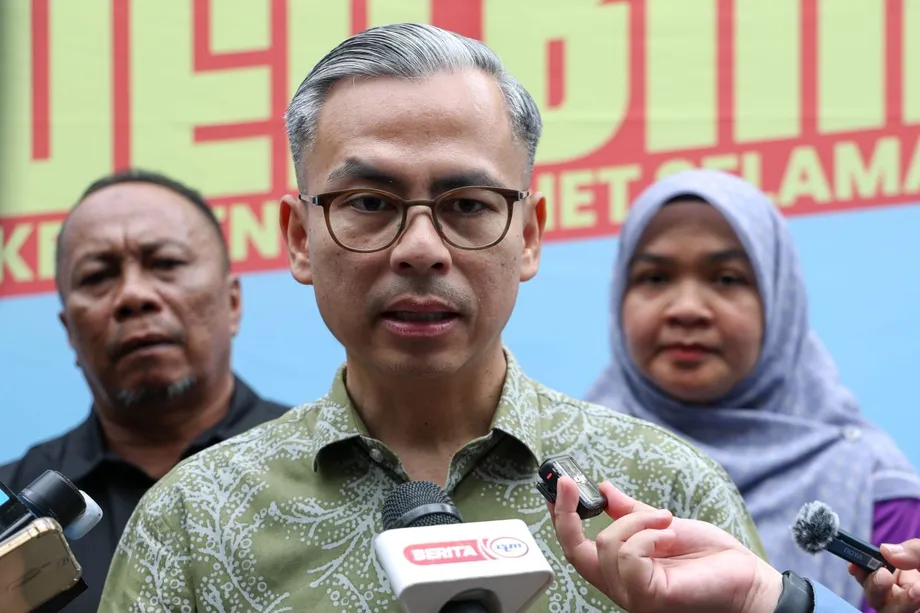
Kelantan's Social Welfare Department director, Che Samsuzuki Che Noh, said on November 13 that the state had recorded 664 abuse and neglect cases between January and September 2026. That was just three fewer than the 667 recorded during all of 2025.
Kota Baru registered 257 cases in those nine months, already exceeding its 221 cases for the previous full year. Pasir Mas recorded 62 and Gua Musang 59. The figures show where demand for investigations and support is concentrated, although comparisons between nine months and a full year require those periods to remain explicit.
Che Samsuzuki identified biological and step parents, siblings, mothers' boyfriends, relatives and family acquaintances among perpetrators. He also described strangers approaching children through TikTok and Facebook. Financial stress, divorce and drug abuse were among the contributing factors he cited.
Statistics he cited for a period of two years included 217 physical abuse cases, 181 sexual abuse cases and 10 emotional abuse cases involving people under 19. This age range differs from DOSM's population count of children under 18.
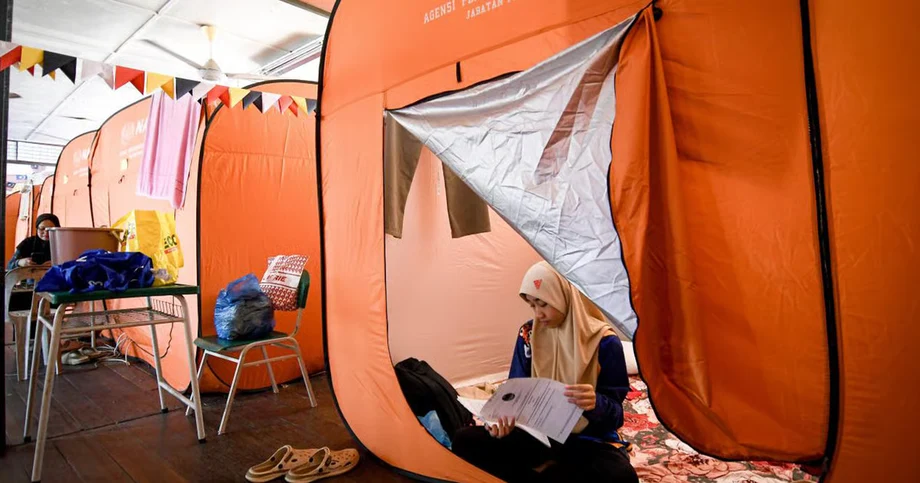
The department said it investigates complaints, visits reported locations and assesses children's safety with police and hospitals. Children in dangerous environments can be rescued and placed in shelters, with medical examinations and psychosocial support, meaning help with emotional distress and the effects of harm on daily life.
Why telling can carry a cost
Universiti Malaya law lecturer and criminologist Dr Haezreena Begum Abdul Hamid described pressures that can make disclosure frightening even when a child wants abuse to stop. A family may fear disgrace, the arrest of a relative or the loss of its main income.
Haezreena said children could then face pressure to preserve relationships, forgive the offender or accept what happened. She described the burden this places on families and victims:
So there's a lot of pressure on the child or even on the family to accept what has been done and to move on.
A child may become the target of anger over the financial or social difficulties that follow a report. Poverty and migrant status can deepen the imbalance when a household depends on the person accused or fears dealing with authorities.
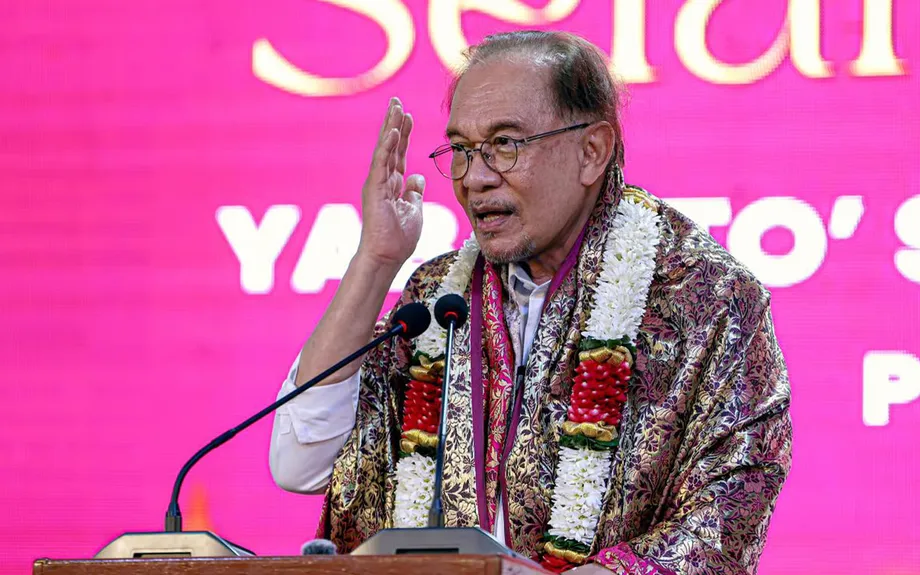
Khairy Jamaluddin, ambassador for CPSM's Safe Child, Strong Nation campaign, identified a similar response within institutions. Protecting a school's name or a powerful person's standing can draw attention away from a child who needs help. He stated:
No reputation, whether it is an individual, whether it's a leader, whether it's an institution, is more important than the child's safety.
Protection therefore needs to continue after disclosure. A child who reports harm may still need somewhere safe to stay, emotional support and an adult who will remain involved when family or institutional pressure begins.
Where a concern can be reported
P.S. The Children identifies three main routes in its reporting guidance: the Royal Malaysia Police (PDRM), government hospitals or clinics, and the Social Welfare Department (JKM). Anyone can report suspected abuse or neglect, regardless of their age, profession or relationship to the child.
The organisation says reasonable concern is enough to make a report; a person does not need to gather proof first. When a child is in immediate danger, it advises contacting police or seeking urgent medical care immediately.
UNICEF Malaysia's reporting mechanisms brief, published in December 2024, explains why these routes matter. Reporting systems connect a disclosure with support and may provide access to justice. In plain terms, telling someone should open a route to help, rather than simply create a record.
Commissioned by UNICEF Malaysia and prepared by Evident with UNICEF input, the brief maps reporting arrangements for violence against children, including sexual exploitation and abuse. Its research used publicly available information, and the document identifies strengths, weaknesses and possible improvements.
Lim's account shows how much depends on the adult receiving a disclosure. Children need reassurance that they have done the right thing by asking for help, time to explain and an understandable account of who will receive their information. Protecting privacy also means explaining necessary referrals instead of leaving children to imagine who might find out.
A sequence of warnings and responses
The October conference took place amid serious incidents involving children in schools and educational settings. The sequence continued after delegates met:
- June 2026: CPSM launched Safe Child, Strong Nation, built around four pillars: Protect, Empower, Educate and Report.
- October 3: A girl aged 16 was killed at a secondary school in Yong Peng, Johor.
- Days later: The Malaysian Communications and Multimedia Commission confirmed receiving a complaint about sexual images and videos generated using artificial intelligence, allegedly involving students and teachers at a school in Kedah.
- October 14 and 15: The Kuala Lumpur conference and policy lab examined gaps in child protection and developed recommendations.
- October 21: A tuition teacher pleaded not guilty in Kuala Lumpur to six charges involving alleged sexual offences against three boys aged 11.
- November 13: Kelantan's welfare director described the state's abuse and neglect figures and its arrangements for responding to complaints.
The incidents put attention on places where adults are expected to protect children. Schools, tuition settings and online spaces require ways to recognise harm, receive complaints and respond, alongside the supervision children already receive.
Online influence and the needs of boys
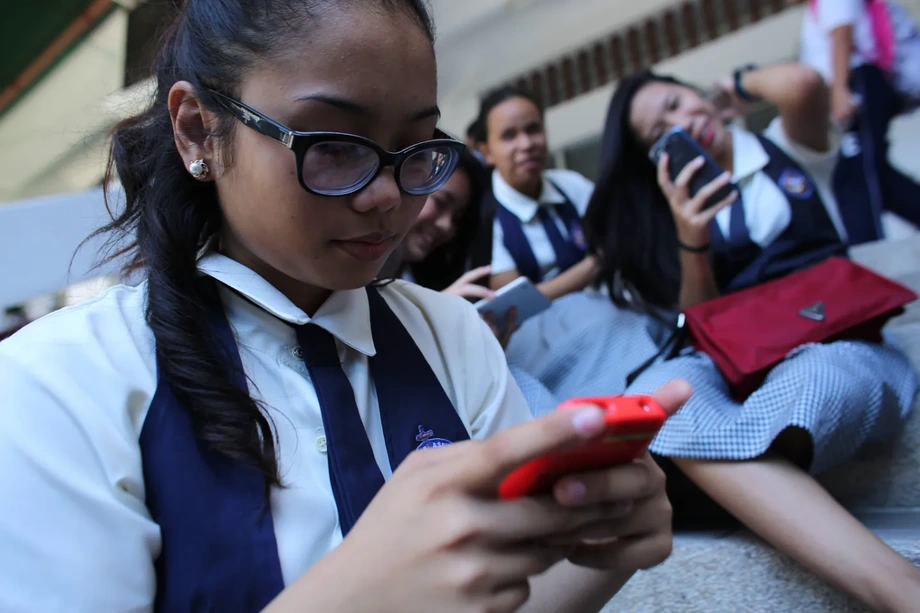
Khairy, a father of three boys, described online messages that present success as an entitlement, rejection as an insult and empathy as weakness. He called for credible alternatives that show boys that strength can include accepting disappointment and considering another person's feelings.
Brands and technology companies also shape that environment. Provocative personalities attract attention, and commercial rewards can help them reach more children. Khairy called for urgent safeguards:
You need guardrails and you need them now.
The complaint involving artificial intelligence in Kedah brought digital safety into the same discussion as safety at school. Artificial intelligence can produce fabricated images or videos that appear to depict real people, making protection of children's identities and responses to complaints part of the wider safeguarding task.
Conference participants included Eneng Faridah of the Malaysian Communications and Multimedia Commission and Roziah Osman of the Selangor Social Welfare Department. Their involvement reflected the need for services to work across the online and physical settings in which children live.
Khairy also called for attention to children who cause harm. Some may themselves have experienced abuse. Their needs require assessment alongside a response to their behaviour, with support directed towards preventing further harm.
Listening to children and following cases through
Haezreena challenged the practice of designing protection without asking children about their experiences. Adults' memories of their own childhood may offer little guidance about what frightens pupils in today's schools or online.
She put the concern directly:
We make policies for children without children's involvement.
Children can identify problems that an inspection checklist misses, including fear of gossip, punishment or disbelief. Lim described those fears and called for adults to make reassurance explicit. For a frightened child, knowing that someone believes them and will explain the next step can make it possible to continue speaking.
Haezreena also questioned what happens after an offender is imprisoned. In prison interviews, she had heard some sexual offenders blame marital problems, relatives or temptation. She questioned rehabilitation and the use of renewed religious devotion as an assurance of remorse, calling attention to whether offenders accept responsibility for harming a child.
Families also need answers when complaints receive no further action. Her call for review and scrutiny addressed the difficulty of understanding why a case has stalled and how to pursue it after the effort of reporting. Accountability includes what institutions do with a complaint as well as the eventual response to an offender.
Turning a campaign into practical protection
The October 15 policy lab mapped Malaysia's protection system, identified gaps and developed recommendations for further consideration. No timetable was given for their adoption or publication. Raja Muda Selangor Tengku Amir Shah Sultan Sharafuddin Idris Shah attended as CPSM's royal patron.
The wider discussions included Children's Rights Commissioner Dr Farah Nini Dusuki, P.S. The Children founder and Play Therapy Malaysia chief executive Madeleine Yong, UNICEF Malaysia child protection specialist Lee Lyn-Ni, and PEMIMPIN executive director Samuel Isaiah. Aarathi Arumugam, chief operating officer of Singapore organisation EveryChild.SG, delivered an international keynote.
CPSM president Datuk Seri Nazir Ariff described child protection as a responsibility shared across families, schools, communities and public authorities. He called for action beyond public awareness:
We must move beyond awareness and strengthen the systems and collective responsibility that help keep children safe.
The initiative was held with the Women Economic Forum and G100 Global Meet 2026. CPSM-KL chairman Tengku Datuk Asra Jehan said those partnerships brought children's safety into wider discussions about leadership and national development, while the policy lab focused on practical recommendations.
The campaign's four pillars depend on each other. Education helps children recognise harm; reporting opens a route to assistance; protection requires adults and services to act. Giving children a voice also requires listening to what makes them afraid to use those routes.
For the boy in Lim's account, the immediate need was simpler than a new campaign: an adult willing to slow down, listen and help him through the next step. Malaysia's wider challenge is to make that response dependable wherever a child asks for protection.
Key Points
- Malaysia recorded 9,624 children needing care and protection in 2024, an increase of 12.7%.
- Kelantan recorded 664 abuse and neglect cases in the first nine months of 2026, compared with 667 throughout 2025.
- Conference speakers described fear of family pressure, reputational damage, gossip and punishment as barriers to disclosure.
- Suspected abuse can be reported to police, government hospitals or clinics, or the Social Welfare Department. Reasonable concern is enough to report.
- The October policy lab developed recommendations, with no timetable given for their adoption or publication.
- Advocates called for patient responses to disclosures, children's participation in policy and continued support after reporting.