Unpacking the Washington Trade Announcement
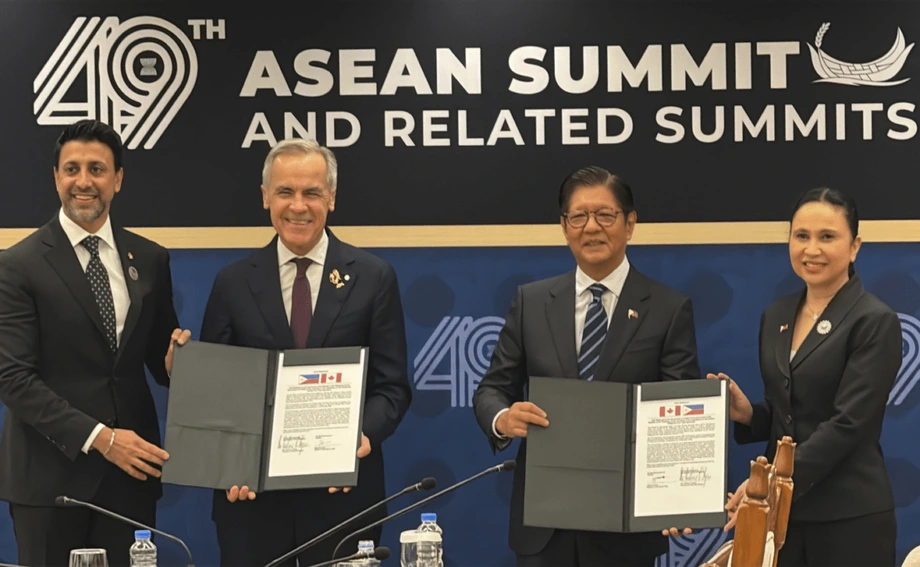
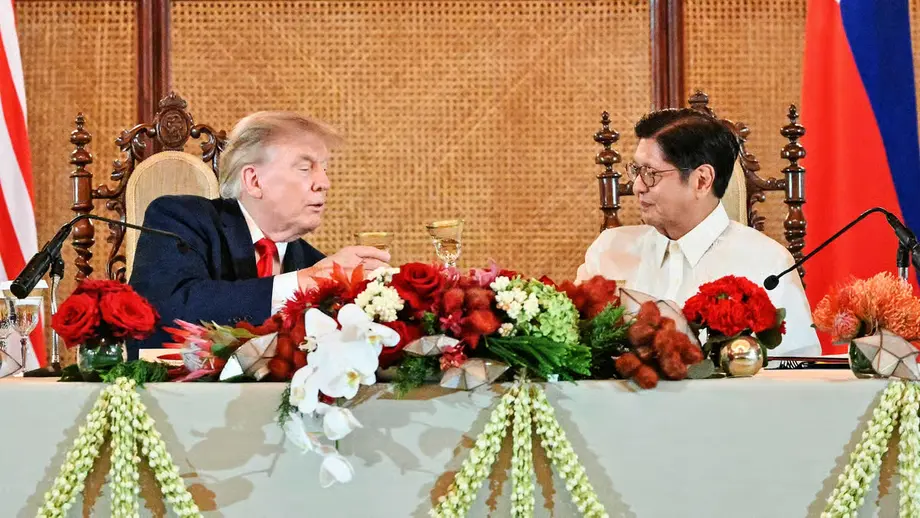
United States President Donald Trump stated that the Philippines will import one hundred percent of its agricultural products and energy requirements from the United States beginning January 1st. Speaking at a White House press briefing on November 20, 2026, Trump recounted telling Philippine government officials during his state visit that Manila should source all its agricultural goods from America rather than other nations such as Brazil. A tariff is a tax collected by a government on goods coming in from other countries, and trade deficits happen when a country buys more from abroad than it sells. The Office of the US Trade Representative reported that the United States recorded an $8.5 billion trade deficit in goods and a $3.6 billion trade deficit in services with the Philippines in 2025, out of $40.9 billion in total bilateral trade. President Ferdinand Marcos Jr. and Trump met in Manila during events that also saw U.S. President Donald Trump said Washington had approved more than $5 billion in arms sales to the Southeast Asian nation. A White House fact sheet released after the meetings noted that both countries committed to addressing the US trade deficit through increased Philippine imports of American energy and agricultural products without specifying a total sourcing monopoly.
Contents
Discussions on Agricultural Sourcing and Global Markets
President Trump asserted that American farmers would supply all agricultural needs starting at the beginning of the year. He stated that the Philippines previously bought a large share of its farm products elsewhere, including Brazil. In contrast, President Marcos offered a different perspective on the discussions after returning from the 33rd Asia-Pacific Economic Cooperation Economic Leaders Meeting in Shenzhen, China. Marcos explained that the bilateral talks aimed to diversify the country supply of commodities like food and energy to avoid relying on a single trading partner. Independent think tank Ibon Foundation, through executive director Sonny Africa, called on the government to fully disclose the trade agreement. Meanwhile, an unnamed Cabinet official denied that any 100 percent sourcing deal had been sealed. Philippine Ambassador to the Jose Manuel Romualdez stated that Washington offered to help Manila diversify supplies while noting that specific terms remained subject to further discussions. Agricultural groups in the Philippines expressed concern that such a sweeping import shift could expose local farmers to unfair competition and depress domestic prices.
Energy Supplies and Nuclear Power Explorations
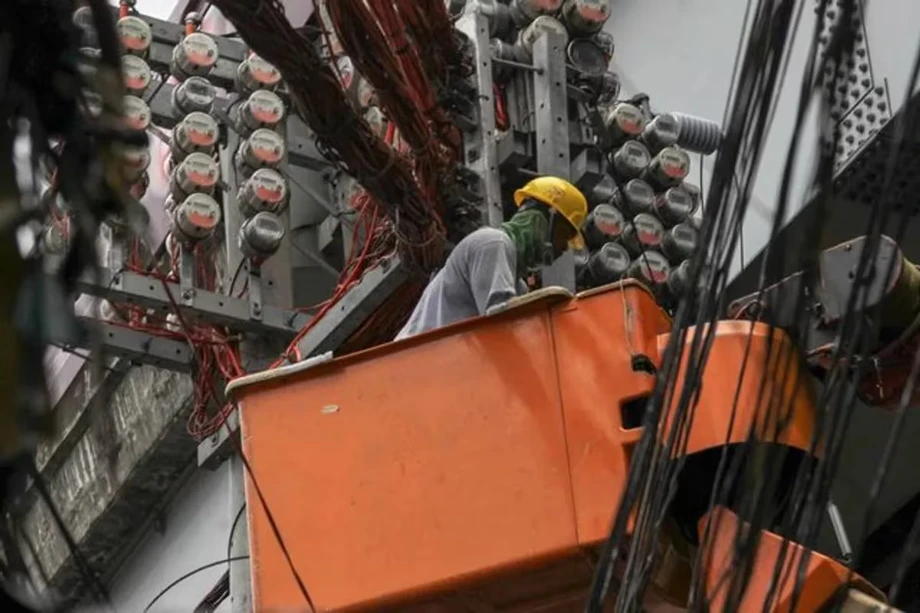
President Trump declared that the Philippines would also source all its energy requirements from the United States instead of the Middle East. Energy Secretary Sharon Garin addressed the ongoing discussions by emphasizing that any final agreement would prioritize the interests of Filipino households. Garin and US Energy Secretary Chris Wright previously met in Washington in October to discuss liquefied natural gas, coal, geothermal energy, nuclear energy, strategic petroleum reserves, and natural hydrogen. The strategic petroleum reserve refers to emergency oil stockpiles kept in reserve to protect against sudden supply disruptions. Officials have targeted the completion of the Philippine reserve for 2028. Additionally, the two governments explored a civilian nuclear technology agreement aimed at generating gigawatts of electricity for the Philippines. This initiative represents the first US civil nuclear intergovernmental agreement of its kind with an Indo-Pacific partner. The American Chamber of Commerce of the Philippines welcomed the potential expansion while urging that local industries and power consumers be protected.
Defense Ties and Security Context
President Trump explicitly linked the trade and energy purchasing demands to the security relationship between Washington and Manila. He questioned whether alternative trading partners would assist the Philippines in the event of a conflict. US Secretary of State Marco Rubio reinforced this connection by describing the United States as the primary defense provider for the Philippines. This diplomatic engagement follows earlier security discussions, recalling how Philippine President Ferdinand Marcos Jr. and US President Donald Trump are scheduled to meet during regional diplomatic summits. Alongside agricultural and energy talks, the meetings included announcements regarding billions of dollars in proposed military equipment purchases. Critics argued that these interwoven agreements prioritized foreign strategic interests over domestic economic needs. Government representatives maintained that ongoing negotiations would determine the actual scope and final terms of all proposed economic and security arrangements.
Timeline of Key Developments
- October 15, 2026: Energy Secretary Sharon Garin meets US Energy Secretary Chris Wright in Washington to discuss energy cooperation.
- November 14, 2026: President Marcos meets Brazilian President Luiz Inacio Lula da Silva to discuss partnerships in renewable energy and modern farming.
- November 17, 2026: President Trump arrives in Manila for bilateral meetings during regional summit events.
- November 19, 2026: Ambassador Jose Manuel Romualdez states in an interview that negotiations contain only generalities with concrete terms yet to be settled.
- November 20, 2026: President Trump announces at a White House press briefing that the Philippines will source all agricultural and energy imports from the US starting January 1.
The Essentials
- President Donald Trump announced that the Philippines will purchase 100 percent of its agricultural and energy products from the US beginning January 1.
- Energy Secretary Sharon Garin confirmed that negotiations are ongoing and that terms will be shaped to benefit Filipino households.
- President Ferdinand Marcos Jr. described the discussions as a way to diversify national supply sources rather than replace existing trading partners.
- The White House reported commitments to eliminate the US trade deficit with the Philippines through increased agricultural and energy imports.
- Talks also encompassed civilian nuclear energy cooperation, emergency oil reserves, and billions in military equipment procurement.