Climate Shifts Fueling Dengue Spikes Across Indonesia
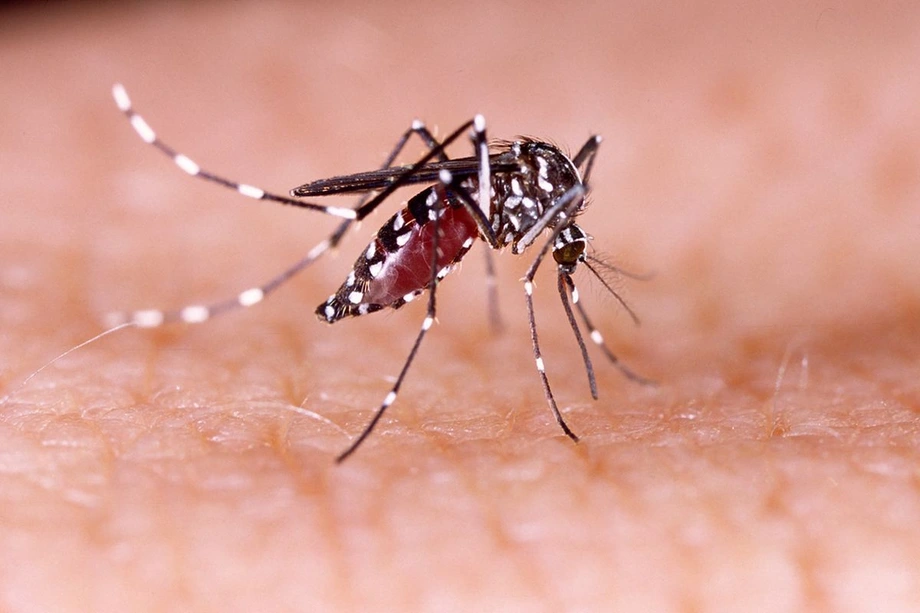
Indonesia faces a severe public health challenge as changing weather patterns accelerate the spread of dengue fever. According to the World Health Organization, roughly half of the global population now faces a risk of contracting dengue, with between 100 million and 400 million infections occurring every year. Indonesia ranks second in the world for total dengue burden behind Brazil, and holds the highest infection rate in Southeast Asia. A systematic review of literature covering the period from 2016 to 2025 shows that climate change worsens this burden in tropical and subtropical zones. Rising temperatures, shifting rainfall, and humidity allow mosquitoes to thrive, while weather phenomena like El Nino and La Nina speed up the life cycle of the Aedes aegypti mosquito and help the virus replicate faster inside its body.
Contents
Climatological studies by the Meteorology, Climatology, and Geophysics Agency confirm that La Nina events, such as the triple-dip pattern recorded from 2020 to 2023, caused the rainy season to begin earlier and brought heavier rainfall to Indonesia. Research published in the journal EnviroScienteae in 2024, which analyzed data from 2007 to 2017, revealed that moderate La Nina events increased dengue cases by up to 67.6 percent across 23 provinces. These environmental shifts extend the lifespan of adult mosquitoes and increase how often they bite humans. The resulting surge in disease transmission places immense pressure on local healthcare systems and families throughout the country.
Human Toll and Record Case Numbers in 2025
Official health statistics illustrate the massive scale of the outbreak over a single 12-month period. Ministry of Health data shows that Indonesia recorded 161,752 dengue cases between January and December 2025. This resulted in an incidence rate of 50.23 per 100,000 residents and 673 deaths, which translates to a case fatality rate of 0.42 percent. The disease reached 475 regencies and municipalities across 36 provinces, meaning that roughly 92 percent of Indonesia's 514 administrative districts felt the impact of the outbreak. Fatalities alone were documented across 224 regencies and municipalities in 31 provinces.
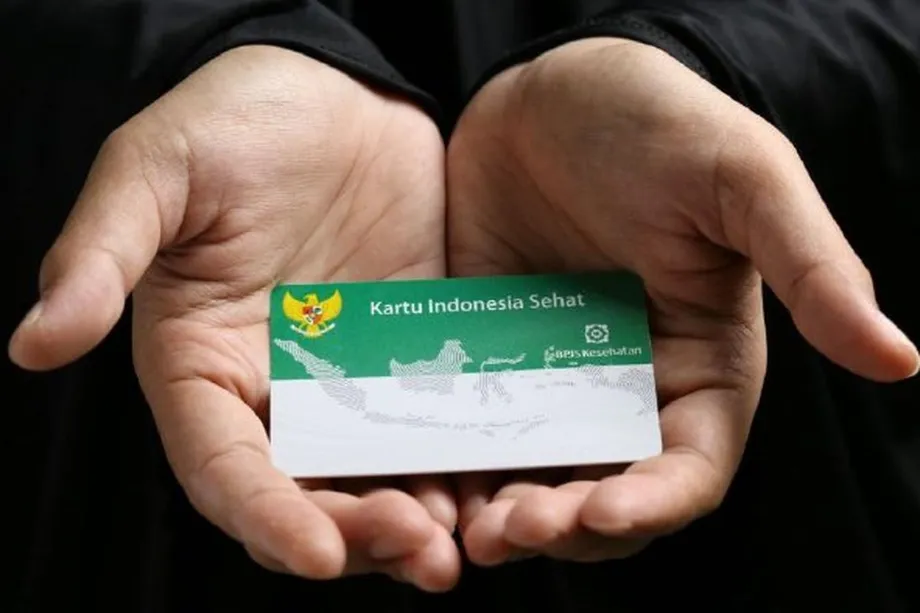
Beyond the physical suffering, the outbreak imposes a heavy financial toll on the national economy and household budgets. Research from the Center for Health Financing Policy and Insurance Management at Gadjah Mada University, shared at the 9th Asia Dengue Summit in Singapore in June 2026, estimated that dengue cost Indonesia nearly Rp 9 trillion (US$550.9 million) in 2024 alone. The country recorded more than two million hospital visits during that period. The state healthcare program, BPJS Kesehatan, covered approximately Rp 3 trillion in direct medical costs. Primary healthcare facilities saw a 162.8 percent increase in dengue visits, with patient numbers climbing from 122,000 to 321,000. Total spending at advanced healthcare facilities reached Rp 8.1 trillion between 2021 and 2025.
Even with state insurance support, families spent an estimated Rp 3.5 trillion out of pocket for nonmedical expenses. These extra costs included transportation, meals, accommodation for caregivers, and lost wages while parents or patients missed work to recover. The financial strain demonstrates that traditional health management strategies alone cannot absorb the economic shock of widespread seasonal outbreaks.
Calls for Accelerated National Action and Integrated Strategies
Government leaders and public health advocates gathered in Jakarta to address the growing crisis. The Joint Coalition Against Dengue, known as KOBAR Lawan Dengue, partnered with the Denpasar 12 Discussion Forum of the People's Consultative Assembly to host a policy dialogue series. The discussions focused on aligning central and regional regulations, improving early warning systems, and launching formal response plans. Deputy Health Minister Dante Saksono Harbuwono spoke at the policy dialogue in Senayan, Jakarta Pusat, on Wednesday, November 18, 2026, to stress the need for modern vector control methods alongside community efforts.
Dante Saksono Harbuwono explained that public participation alone is no longer enough to stop the spread of the virus. He stated that state insurance claims for dengue treatment have reached Rp 3 trillion, highlighting the urgent need for new technology.
Dengue cannot be tackled by relying solely on community participation. We need more innovations in vector control.
Dante Saksono Harbuwono pointed to modern tools like Wolbachia-infected mosquitoes and dengue vaccines as vital additions to standard prevention. He emphasized that these new methods must work alongside traditional community cleanups rather than replacing them. Wolbachia is a natural bacterium that researchers introduce into mosquitoes to block them from transmitting viruses like dengue to humans.
Coordinating Technology, Vaccines, and Local Interventions
Pilot programs testing Wolbachia technology are already underway in several urban centers across Indonesia. According to KOBAR Lawan Dengue, these releases take place in Semarang, West Jakarta, Bandung, Kupang, and Bontang. Meanwhile, limited vaccination programs aimed at protecting children in specific age groups operate in 12 regencies and municipalities. These vaccinated regions include Balikpapan, Samarinda, Probolinggo, North Minahasa, Kutai Kartanegara, Melawi, Penajam Paser, Bulungan, and Sumenep, while active monitoring programs take place in South Jakarta, Banjarmasin, and Palembang.
Legislators emphasize that these programs require a unified legal framework to succeed nationwide. Deputy Speaker of the People's Consultative Assembly Lestari Moerdijat highlighted the necessity of smooth coordination between central and regional governments during the policy forum. Lestari Moerdijat urged authorities to finalize and implement the National Action Plan for Dengue Control covering 2026 through 2029. This four-year strategy includes integrated surveillance and early warning systems as a core pillar to help districts prepare for outbreaks before infection rates peak.
The push for structured planning receives strong backing from the House of Representatives. Deputy Chair of Commission IX Nihayatul Wafiroh called for immediate steps to speed up the adoption of the action plan as a direct continuation of the 2021–2025 national strategy. Nihayatul Wafiroh stressed that community mosquito nest eradication through the 3M Plus campaign, Wolbachia deployment, and government-led vaccination efforts must run simultaneously as complementary defenses.
Integrating Climate Data for Smarter Early Warnings
Experts argue that predicting disease outbreaks requires combining health records with meteorological information. Climatology officials point out that understanding local weather patterns helps health authorities anticipate when mosquitoes will multiply rapidly. Ardhasena Sopaheluwakan, Deputy for Climatology at the Meteorology, Climatology, and Geophysics Agency, explained how combining datasets improves local readiness.
Data iklim dapat membantu kita untuk memprediksi periode yang perlu diwaspadai. Misalnya, di musim hujan biasanya terjadi peningkatan kasus. Sementara awal dan akhir musim hujan di bagian Indonesia barat, tengah, dan timur tentu berbeda.
Ardhasena Sopaheluwakan added that integrating climate and health metrics allows agencies to design adaptive responses tailored to specific regional conditions. Because the rainy season starts at different times across the western, central, and eastern parts of Indonesia, generalized national alerts often prove less effective than localized warnings. A region experiencing an early monsoon can receive targeted mosquito control resources weeks before infections spike.
Regional case studies provide models for how predictive systems can guide public health responses. Singapore utilizes a machine-learning model to forecast dengue cases up to three months ahead, allowing authorities to prepare hospital beds and mobilize cleaning teams before case numbers climb. Similar forecasting methods are tested in countries like China and the Philippines to connect weather data directly with municipal health responses.
Key Points
- Indonesia recorded 161,752 dengue cases and 673 deaths across 475 regencies and municipalities in 2025.
- The economic burden of dengue reached nearly Rp 9 trillion in 2024, with BPJS Kesehatan covering about Rp 3 trillion in direct medical costs.
- Climate factors like La Nina extend the lifespan of Aedes aegypti mosquitoes and accelerate virus transmission.
- Wolbachia pilot programs operate in Semarang, West Jakarta, Bandung, Kupang, and Bontang.
- Leaders are urging the government to accelerate the adoption of the National Action Plan for Dengue Control spanning 2026 to 2029.