Finding patients is only the first step
Indonesia has identified more than 700,000 tuberculosis cases through its expanding free health checkup effort this year, Deputy Health Minister Dante Saksono Harbuwono said in Jakarta on Saturday. About 90 percent of those patients have started treatment. The harder task is keeping them in care until treatment succeeds.
Contents
- Finding patients is only the first step
- What the different treatment figures mean
- How checkup records reach the TB registry
- How the program expanded
- Taking screening into homes and workplaces
- Shorter treatment could help patients finish
- Housing and stigma shape access to care
- Connected records bring privacy responsibilities
- Other screening results show the same care gap
- Hospitals need people as well as equipment
- What Indonesia has committed to next
- Key Points
Ministry figures put treatment success at 80 percent for TB that responds to standard medicines, against a 90 percent target. For TB resistant to medicines, success stands at 58 percent against an 80 percent target. Those gaps amount to 10 and 22 percentage points, respectively. Some figures in that ministry account carry 2025 dates, making the treatment results an older measure than the latest detection announcement.
Indonesia's 2026 case detection target is 972,000. Through October, the ministry had recorded 666,985 patients, of whom 599,425 had begun treatment. That left 67,560 recorded patients awaiting treatment or otherwise outside the treatment count, even as screening expanded across 53,335 locations in all 38 provinces.
The country faces an estimated 1.08 million new cases in 2026. The World Health Organization's Global Tuberculosis Report 2025 places Indonesia second only to India, accounting for roughly a tenth of the world's TB burden. That annual assessment draws mainly on information from national health ministries; 184 countries and areas, representing more than 99 percent of the world's population and TB cases, submitted data.
For patients, the practical sequence is simple: complete the tests, receive a diagnosis, start the right medicines and finish the prescribed course. Indonesia's figures show losses at several of those steps. A larger screening program therefore needs enough staff, medicines, referrals and personal support to carry patients through the whole process.
What the different treatment figures mean
Dante's treatment initiation figure of about 90 percent is close to the October totals: 599,425 treatment starts divided by 666,985 detected cases equals about 89.9 percent. Earlier reporting citing 2026 data from the national Tuberculosis Information System, known as SITB, gave a lower rate of 84 percent against a 95 percent target. The periods and calculation methods behind the two rates have not been publicly reconciled.
Indonesia's weekly SITB dashboard tracks several separate stages: people with suspected TB, examinations meeting standards, cases of TB sensitive or resistant to medicines, official case notifications and treatment enrollment. These categories help explain why a screening total, a diagnosed case total and a treatment total can move at different speeds.
Last year's figures provide another useful comparison. Indonesia recorded 867,480 TB notifications in 2025, around 80 percent of the estimated 1.09 million cases. Of those notified patients, 809,972, or about 93 percent, received treatment, below the 95 percent target. Treatment success comes later, after health workers assess the outcome of the prescribed course.
By November 5, 2026, SITB data put detection at 66 percent of the estimated annual burden of 1.08 million cases. Through October, the 666,985 recorded cases represented about 69 percent of the separate target to detect 972,000 cases. One percentage measures progress against the estimated disease burden; the other measures progress against the government's operational target.
How checkup records reach the TB registry
The Health Ministry's June integration announcement explains how the free checkup program is being connected to treatment services. Since April 2026, its SATUSEHAT IndonesiaKu checkup feature has exchanged information in both directions with SITB.
Dewi Nur Aisyah, vice chair of the Primary and Community Health Working Team in the ministry's Health Technology and Digitalization Transformation Team, described how the connection handles existing patients and newly suspected cases:
"Through this bidirectional integration, data can be utilized by both systems. Active TB patients already recorded in SITB will be automatically identified in the SSI CKG system, eliminating the need for repeat screening. Conversely, TB suspects identified during a CKG screening can be immediately fast-tracked into SITB for rapid clinical follow-up," Dewi explained.
Health workers enter information once rather than repeat it in two systems. A questionnaire covering symptoms and contact with TB patients generates an automated risk assessment. People assessed as needing further examination receive recommendations for tests such as sputum microscopy, which looks for bacteria in mucus coughed from the lungs, rapid molecular testing or a chest X-ray.
Staff can also use recorded contact details to reach people who have not completed their examinations. The ministry plans to exchange laboratory results and X-ray findings more widely, with eventual links to BPJS Kesehatan, the agency administering national health insurance.
How the program expanded
Indonesia's checkup effort began before the two digital systems were connected. Building the link required officials and engineers to align records that had been developed separately, with different structures and working requirements.
- February 2025: The government launched the Free Health Check program.
- June 2025: Discussions on connecting checkup records and SITB began with the communicable disease directorate and the World Bank.
- August 5 to 19, 2025: A national TB program review assessed services and priorities for the National TB Strategic Plan 2025–2029.
- November 2025: Technical development of the registry connection began, taking four to five months.
- April 2026: The exchange between the checkup system and SITB began operating.
- May 2026: The checkup program had reached more than 100 million citizens, according to the ministry.
- October 2026: National TB records showed 666,985 detected cases and 599,425 treatment starts.
Dante's latest announcement put checkup participation above 114 million, against a 2026 target of 130 million. That is about 88 percent of the target. The program also retests previous participants, and the public totals do not specify how repeat visits are counted.
Taking screening into homes and workplaces
Deputy Health Minister Benjamin Paulus Octavianus has called for screening beyond the person already diagnosed. His approach includes household members, neighbors and colleagues, while testing is also being extended to workplaces and Islamic boarding schools.
During a visit to Sumedang, Benjamin explained who should be reached:
"People living in the same household as a patient must be screened. Beyond that, their neighbors should be tested as well. If a patient works somewhere, people in their workplace should also be checked," Octavianus said.
Sumedang had screened 30,000 residents against a target of 65,000, or about 46 percent. Nationally, the government plans two community workers per village, each paid 500,000 rupiah a month, to help trace contacts, support preventive treatment and encourage patients to take their medicines. More than 10,000 villages and urban wards were reported to have joined the Desa/Kelurahan Siaga TB community initiative by November.
Benjamin also inspected services at Puskesmas Matraman, a community health center in East Jakarta, as part of monitoring the national screening effort. The ministry says the work combines contact tracing with getting treatment to diagnosed patients.
Portable X-ray equipment adds another route to finding people who need tests. The ministry has used machines supported by artificial intelligence since 2023, examining about 200,000 people through 2025. In a mass screening effort with technology company Qure.ai, roughly 4,000 of 38,000 examinations identified suspected TB, about 10.5 percent, while about 12,000 identified other lung abnormalities. People flagged by imaging need clinical assessment and appropriate diagnostic testing.
Shorter treatment could help patients finish
Patients with TB resistant to medicines face the largest treatment success gap. Older regimens can last 18 to 24 months and cause nausea, fatigue, numbness and considerable distress. Around 26 percent of patients with resistant TB fail to complete their full course.
The government is expanding BPaLM, a combination of bedaquiline, pretomanid, linezolid and moxifloxacin taken entirely by mouth over six months. Clinical trial findings cited in support of shorter regimens, including ZeNix and TB-PRACTECAL, show success rates of 86 to 89 percent, compared with about 52 percent for older treatment. Those results come from clinical studies; the national program's reported success rate for resistant TB is 58 percent.
Six months is one third of an 18 month course and one quarter of a 24 month course. That reduces the period during which patients must manage side effects, travel for care and fit treatment around work and family life. Patients still need a clinician to select a suitable regimen and monitor them throughout treatment.
Stopping medicines when symptoms improve can leave bacteria alive and allow the illness to return. Inadequate treatment can also contribute to resistance, making subsequent care harder. Community support and prompt help with side effects are therefore part of treatment delivery, alongside the medicines themselves.
Housing and stigma shape access to care
The Health Ministry and the Ministry of Housing and Settlements plan to renovate 2,000 homes belonging to TB patients in 2026 and 10,000 in 2027. The program targets households in the lowest four income deciles of the national social registry, meaning the lowest 40 percent in its economic ranking.
Housing standards cited for the program include ventilation openings covering at least 10 percent of floor area, lighting of at least 60 lux and no more than two people sharing a room measuring at least eight square meters. Better airflow reduces the buildup of infectious particles in crowded indoor spaces. Benjamin has described housing improvements as part of disease control because patients often return to cramped homes after treatment.
Fear of being rejected can keep people away from care even when services are available. The Indonesia TB Stigma Assessment, released in December 2022, involved 3,200 respondents across 40 districts and cities in eight provinces. Fifteen percent of patients said they had experienced stigma; among them, 84 percent identified neighbors or their surrounding community as its source.
The TB-CAPS study followed 129 newly diagnosed patients in Depok and Padang. It found that 64 percent chose carefully whom to tell about their illness, 43 percent feared telling people outside their family and 12 percent lost friends after disclosure. These findings give practical weight to protecting confidentiality during contact tracing and helping patients stay connected to supportive people.
Connected records bring privacy responsibilities
SATUSEHAT's expanding role places sensitive diagnoses within a larger network of health services. Privacy advocate Shevierra Danmadiyah questioned Indonesia's readiness for integrated health records in 2023 and argued that the application's privacy terms conflicted with the new data protection law. Setiaji, then head of the ministry's digital transformation office, said the ministry had worked with the National Cyber and Crypto Agency on safeguards.
Indonesia had already experienced a breach involving a ministry COVID-19 application in 2021, exposing personal information relating to roughly 1.3 million people. The ministry now says SATUSEHAT Mobile and its platform follow ISO 27001:2022 and ISO 27799:2016 security standards and operate two cyber incident response teams.
Information security management guidelines have been implemented only partly across the ministry. Eko Sulistijo, head of its data and technology center, has said protection depends on safeguards throughout connected systems. An independent audit of the specific checkup connection to SITB has not been publicly identified.
Dante has also called for accountability in artificial intelligence. At a national conference on June 8, he raised responsibility for incorrect software recommendations. On October 27, he said AI should support clinicians rather than replace their judgment, and on November 10 he said the ministry would regulate digital health platforms, including telemedicine and medical record integration.
Other screening results show the same care gap
Indonesia's checkup program is finding chronic illnesses as well as TB. Dante said it had identified more than eight million cases of hypertension and diabetes among people without symptoms. On October 22, when participation stood at 109 million, Health Minister Budi Gunadi Sadikin listed seven million people with hypertension, 1.1 million with diabetes and 13 million with obesity.
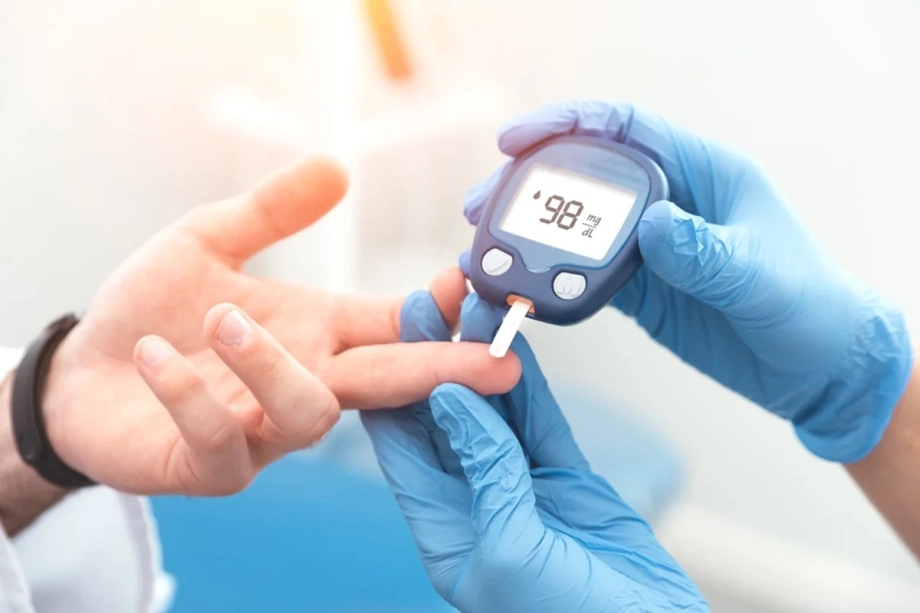
Returning for care has been a problem here, too. In July, the ministry said 35.4 percent of hypertension patients and 33.1 percent of diabetes patients detected in 2025 had returned for a recheck. Among 2.4 million returning hypertension patients, 1.1 million had normal blood pressure. Among 340,000 returning diabetes patients, 235,000 had controlled blood sugar.
Repeat screening also found new illness. Of 9.2 million participants retested after being clear the previous year, about one million now had hypertension. The findings support regular checks, while the return rates show why diagnosis needs to lead to continuing care.
Diabetes also appears in the WHO's recommendations for TB control, alongside smoking, undernutrition and alcohol use disorder. Addressing these risks gives the checkup program a way to connect services that patients might otherwise receive separately.
Hospitals need people as well as equipment
Dante said 66 hospitals in remote regions are being upgraded to Class C, with 21 officially operating. Locations include Southwest Sumba, the Anambas Islands and Raja Ampat. Twenty one out of 66 is about 32 percent, leaving most of the planned network still to come into service.
The ministry recorded a shortage of more than 600 specialists for the hospital program in early 2025. Budi has cited a hospital in Krui where equipment for inserting stents during heart attacks was available without the doctors needed to use it. Dante said a program based in hospitals is training hundreds of young specialists, prioritizing candidates from the regions.
Community facilities are also due to expand. Dante described plans for 2,000 new puskesmas and renovations at more than 8,000 existing centers. Budi had described a target of renovating 10,000 by 2029 or 2030. The stated scopes differ: one includes new construction, while the other describes renovations.
National health insurance, JKN, covers 284 million people, or 98 percent of the population, according to Dante. For someone diagnosed at a checkup, the next practical requirement is a service they can reach, staffed by people able to provide tests, prescribe medicines and monitor recovery.
What Indonesia has committed to next
The WHO's national program review, published on January 8, 2026, sets out why treatment results matter. Estimated TB incidence rose from 325 cases per 100,000 people in 2015 to 387 in 2023, an increase of about 19 percent. Deaths rose from about 104,000 to 130,927 over the same period.
The review informed the National TB Strategic Plan 2025–2029. It recommends updating the 2021 Presidential Decree on TB, securing financing, expanding screening, speeding referrals, improving treatment success and protecting households from unaffordable costs. Its financing and prevention recommendations support a goal of halving incidence by 2030.
Budi, Indonesia's health minister, described the intended link between detection and successful care when the findings were presented:
This review offers a strategic framework to guide our efforts and help us ensure that one million people with TB are identified and linked to care within the next year, with a treatment success rate of 90%. Preventive treatment remains a challenge, but we are hopeful that a TB vaccine can be introduced by the end of 2028 or early 2029.
The next scheduled public health events include HAI Fest at Balai Kartini in Jakarta from November 15 to 17 and the Satu Juta Langkah activity on November 15. The longer test of the program will be whether more diagnosed patients begin treatment promptly, finish it successfully and receive the support needed to stay healthy.
Key Points
- Dante said more than 700,000 TB cases had been found this year and about 90 percent had started treatment.
- Reported treatment success is 80 percent for TB sensitive to medicines and 58 percent for resistant TB, below targets of 90 and 80 percent.
- Indonesia aims to detect 972,000 cases in 2026; 666,985 were recorded through October.
- The checkup system has exchanged records with the national TB registry since April 2026 to speed referrals and patient follow through.
- Shorter treatment, community workers and planned housing renovations aim to reduce interruptions in care and transmission.
- Confidentiality, specialist shortages and low return rates for continuing care remain practical challenges.