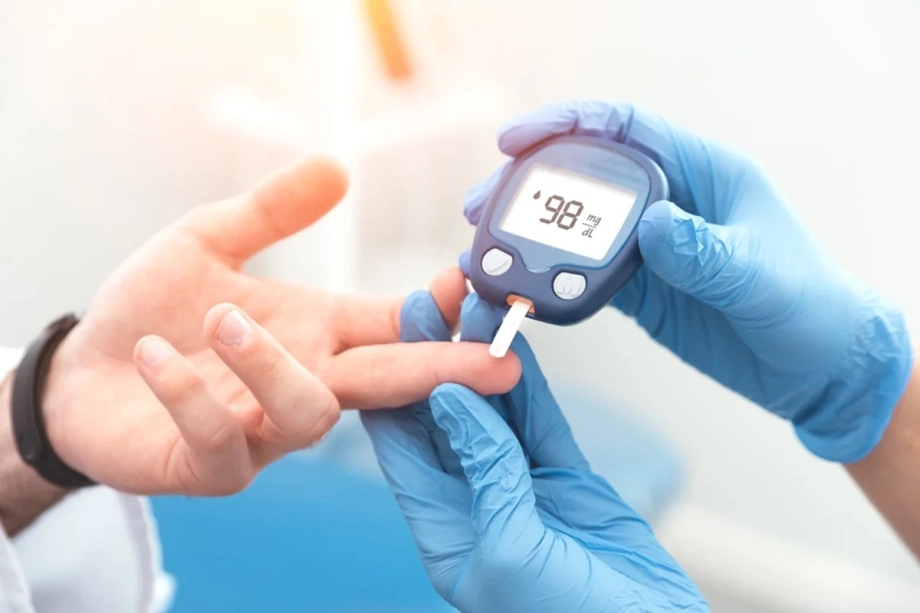
More children identified, more families needing care
Indonesia is widening school health checks as officials confront a sharp rise in recorded childhood diabetes and seek to ensure that every child with type 1 diabetes can obtain insulin. Health Ministry official A. Muchtar Nasir says recorded prevalence reached about 2 cases per 100,000 children in 2023, compared with 0.028 in 2010, an increase of roughly 71 times.
Contents
- More children identified, more families needing care
- What the increase measures
- New diagnoses and children receiving treatment
- School checks put older pupils in focus
- Why the type of diabetes changes treatment
- Late diagnosis can become an emergency
- Insulin access is the central treatment promise
- Sugary drinks bring prevention policy into the debate
- Younger patients can face demanding treatment
- Key Points
The Indonesian Pediatric Society (IDAI) registered 1,645 children with diabetes by January 31, 2023, according to a Health Ministry article published that July. More recent figures from the Changing Diabetes in Children programme show 1,948 children receiving care for type 1 diabetes in 2025, compared with 1,249 during 2017–2019.
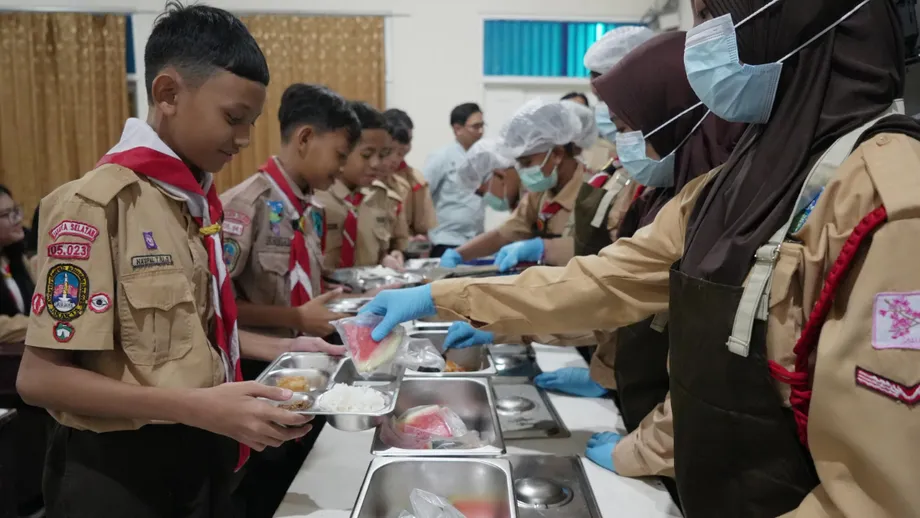
School screening is now finding more children with hyperglycaemia, the medical term for high blood sugar. The government's Free Health Check programme, known as CKG, intensified its work in schools in August 2025. As more pupils were examined, more children with raised glucose levels were identified.
Nasir, who heads the ministry's team working on metabolic conditions and accelerating programmes for diseases that are not infectious, says those findings need follow-up examinations to confirm a diagnosis. The ministry wants 80% of people with diabetes to be diagnosed and 80% of those diagnosed to achieve good blood sugar control.
For families, the immediate challenge is recognising illness early and securing continuing care. For health services, it is turning a school screening result into a medical appointment, an accurate diagnosis and treatment that a child can maintain.
What the increase measures
The Health Ministry's childhood diabetes article, dated July 12, 2023, gives prevalence as 0.004 per 100,000 in 2000, 0.028 in 2010 and 2 in January 2023. Nasir gives a slightly more precise starting figure of 0.0038 for 2000. Prevalence means the number of people recorded as having a condition within a population.
The historical figures also contain a substantial discrepancy. Paediatrician Nur Rochmah, from Dr Soetomo Hospital and IDAI's endocrinology group, cited 3.88 per 100,000 in 2000 and 28.19 in 2010 during an April 2025 discussion. Those figures are much higher than the ministry's earlier series; the basis for reconciling them was not explained.
The 2023 register counted children with diabetes, most of whom had type 1. Nasir describes the historical increase as a rise in type 1 prevalence. Keeping the diagnosis and the population being counted clear matters when tracking changes over time.
Better detection is also changing the recorded totals. Wayan Bikin Suryawan, a consultant in paediatric endocrinology at Wangaya Hospital in Denpasar, says improved screening contributes to the increase. Health Ministry spokesperson Siti Nadia Tarmizi previously explained that expanding registration can bring both existing and newly diagnosed patients into the figures.
New diagnoses and children receiving treatment
Rochmah gave annual totals of 584 newly diagnosed children with type 1 diabetes in 2022, 594 in 2023 and 527 in 2024. The 2024 total was 67 below the previous year's figure, even as the number of children receiving continuing care increased.
The Changing Diabetes in Children programme's total rose by 699 between the 1,249 recorded in 2017–2019 and the 1,948 recorded in 2025, an increase of about 56%. A treatment programme counts children already living with diabetes as well as those who have recently entered care, while an annual diagnosis figure counts newly identified patients.
BPJS Kesehatan, Indonesia's public health insurance administrator, recorded another measure of the burden. Its president director, Ali Ghufron Mukti, said childhood diabetes cases among patients using BPJS services increased by about 1,000 between early 2018 and late 2022. He also pointed to patients returning to health facilities after disruption during the pandemic.
The main developments span several years:
- January 31, 2023: IDAI had registered 1,645 children with diabetes.
- 2024: The annual number of new type 1 diagnoses cited by Rochmah was 527.
- 2025: Changing Diabetes in Children recorded 1,948 children receiving care.
- August 2025: School examinations under CKG became more intensive.
- 2026: Senior secondary pupils continued to account for the largest share of high blood sugar findings in school checks.
School checks put older pupils in focus
Senior secondary pupils aged 15–17 accounted for more than half of the hyperglycaemia findings in the 2025 CKG programme. In 2026, senior secondary pupils accounted for about 42%, followed by junior secondary pupils at around 24% and primary pupils at 18%.
Those percentages describe the distribution of positive findings. Calculating how common high blood sugar is within each age group would also require the number of pupils examined in that group. A larger group of screened pupils can produce more findings even when its individual risk is similar.
Nasir linked the concentration among older pupils to possible changes in habits as children enter junior and senior secondary school, including greater access to sugary food and drinks with poor nutritional value. Follow-up testing will help clinicians identify which children have diabetes and what treatment they need.
IDAI's earlier register showed a different age pattern: children aged 10–14 made up 46.23% of registered patients, and girls accounted for 59.3%. The ministry's 2023 article placed the register across 13 cities, while a contemporaneous account described 15; Jakarta and Surabaya had the largest reported totals. The register and school checks cover different groups, at different times, using different measures.
Why the type of diabetes changes treatment
Type 1 diabetes accounts for most diagnosed childhood cases in Indonesia. It develops when the immune system attacks cells in the pancreas that make insulin. Insulin helps glucose move from the blood into cells, where it supplies energy. Children with type 1 need insulin every day to replace what their bodies can no longer make.
Type 2 diabetes accounts for an estimated 5%–10% of childhood diabetes cases in the ministry's account. In this form, the body becomes less responsive to insulin and may eventually struggle to produce enough. Excess body weight, inactivity and family history are among the relevant risk factors.
Healthy eating and physical activity help address risks associated with type 2 diabetes. Type 1 develops through an immune process, and the International Diabetes Federation says its risk factors remain under investigation. Families managing type 1 need reliable insulin, glucose monitoring and clinical support.
The ministry's 2023 article also lists prediabetes and a mother's history of diabetes during pregnancy among factors relevant to type 2 risk. Prediabetes means blood sugar is above the normal range but below the threshold used to diagnose diabetes. It gives clinicians and families an opportunity to address risk before the condition progresses.
Late diagnosis can become an emergency
IDAI president Piprim Basarah Yanuarso warned during the April 2025 discussion that many children remain undiagnosed or receive treatment late. Muhammad Faizi, chair of IDAI's endocrinology working group, had described children arriving for their first specialist appointment with diabetic ketoacidosis, coma or another condition threatening their lives.
Diabetic ketoacidosis, often shortened to DKA, can develop when the body has too little insulin. The body breaks down fat for energy, producing substances called ketones. When these build up, the blood becomes too acidic and urgent hospital treatment is needed.
Symptoms that should prompt a medical assessment include unusual thirst, frequent urination, unexplained weight loss, persistent hunger, tiredness, blurred vision and bedwetting. A child may have several symptoms together, and early assessment can help avoid a medical crisis.
Diagnostic criteria described in International Diabetes Federation guidance include plasma glucose of at least 200 milligrams per decilitre alongside classic symptoms, or fasting plasma glucose of at least 126 milligrams per decilitre. Clinicians use the circumstances of the test, symptoms and any further examinations to establish the diagnosis and diabetes type.
Insulin access is the central treatment promise
The Health Ministry's target for type 1 diabetes is access to insulin and independent blood glucose monitoring for every patient who needs them. For a child, independent monitoring usually involves help from parents or other caregivers, with responsibility gradually changing as the child grows.
Glucose checks show how treatment, food and activity affect blood sugar. Clinicians use those readings to guide changes in insulin doses. The ministry's 2023 article also recommends regular medical appointments and learning to count carbohydrates, the part of food that has a major effect on glucose levels.
Teenagers can face practical and emotional difficulties after diagnosis, including worries about classmates and returning to school. Support from parents and people around them helps make treatment part of everyday life rather than something managed only during medical visits.
The ministry also sets goals for adults with diabetes: good blood pressure control for 80% of those who have hypertension, and statin treatment for 60% of patients aged 40 or older. Statins lower cholesterol. Those adult measures sit alongside the goals that cover children, including diagnosis, glucose control and access to insulin.
Sugary drinks bring prevention policy into the debate
Indonesia's 2018 Basic Health Research survey found that two in three people aged 5–19 consumed sweetened drinks at least once a day. Diah Saminarsih, founder and chief executive of the Center for Indonesia's Strategic Development Initiatives (CISDI), has argued that easy access to sugary products and limited understanding of nutrition labels leave families needing stronger protection.
CISDI called in 2023 for an excise tax of up to 20% on sweetened drinks. Its modelling estimated that such a policy could prevent 1.4 million diabetes cases over 25 years. The proposal addresses population risks associated with sugary drink consumption, including type 2 diabetes.
Health Minister Regulation No. 30 of 2013 gives a recommended maximum sugar intake of 50 grams per person per day, equivalent to about four tablespoons. That is a general recommendation; children with diabetes need an eating and treatment plan suited to their age, growth and medical needs.
Food and Drug Authority Regulation No. 26 of 2021 covers nutritional information on processed food labels, while Regulation No. 11 of 2019 regulates permitted use of artificial sweeteners. The authority's healthier choice label also identifies qualifying processed drinks containing less than 6 grams of sugar per 100 millilitres. CISDI has argued for clearer warnings and stronger limits on product composition alongside consumer education.
Younger patients can face demanding treatment
The Health Ministry's 2023 article draws attention to the Treatment Options for Type 2 Diabetes in Adolescents and Youth study, known as TODAY. It describes difficulty maintaining blood sugar control among young participants taking metformin, a medicine commonly used for type 2 diabetes.
About half of the young people receiving metformin alone in that study lost adequate glucose control and needed additional treatment, including insulin. The finding helps explain why a child diagnosed with type 2 still needs continuing medical review, even after treatment has begun.
The International Diabetes Federation also announced recognition of diabetes associated with chronic malnutrition as type 5 in April 2025. It estimated that 20 million to 25 million people worldwide might be affected, particularly in Asia and Africa. Rochmah said Indonesia had no corresponding national data at that time. This form involves very low insulin production and adds another reason for doctors to assess a child's nutritional and medical history carefully.
Indonesia's immediate task is concrete: connect children identified through school checks with confirmatory examinations, then provide continuing treatment for those diagnosed. Screening expands the doorway into care. Insulin access, monitoring and regular follow-up determine what happens after a child enters it.
Key Points
- The Health Ministry gives recorded childhood diabetes prevalence as about 2 per 100,000 in 2023, compared with 0.028 in 2010.
- IDAI registered 1,645 children with diabetes by January 31, 2023; most childhood cases were type 1.
- Changing Diabetes in Children recorded 1,948 children receiving type 1 care in 2025, about 56% more than in 2017–2019.
- Senior secondary pupils accounted for more than half of high blood sugar findings in 2025 school checks and about 42% in 2026.
- Children with raised glucose results need follow-up examinations to confirm a diagnosis.
- The ministry aims for universal insulin access and glucose monitoring among patients with type 1 who need them.
- Unusual thirst, frequent urination and unexplained weight loss are reasons to seek medical assessment promptly.