Members facing loss of contribution aid can seek a data review
Indonesia's BPJS Kesehatan says recipients of government health insurance contribution assistance who fall into welfare deciles 6–10 have 90 days to update their socioeconomic information if it does not match their circumstances. The clarification follows social media claims that affected memberships would become inactive from November 1, 2026.
Contents
- Members facing loss of contribution aid can seek a data review
- What the welfare deciles mean
- Why the membership category matters
- How to check coverage and welfare records
- How to use the 90 days to request corrections
- What happens if PBI JK is already inactive?
- January cases have additional criteria to check
- The dates and choices members need to track
- Key Points
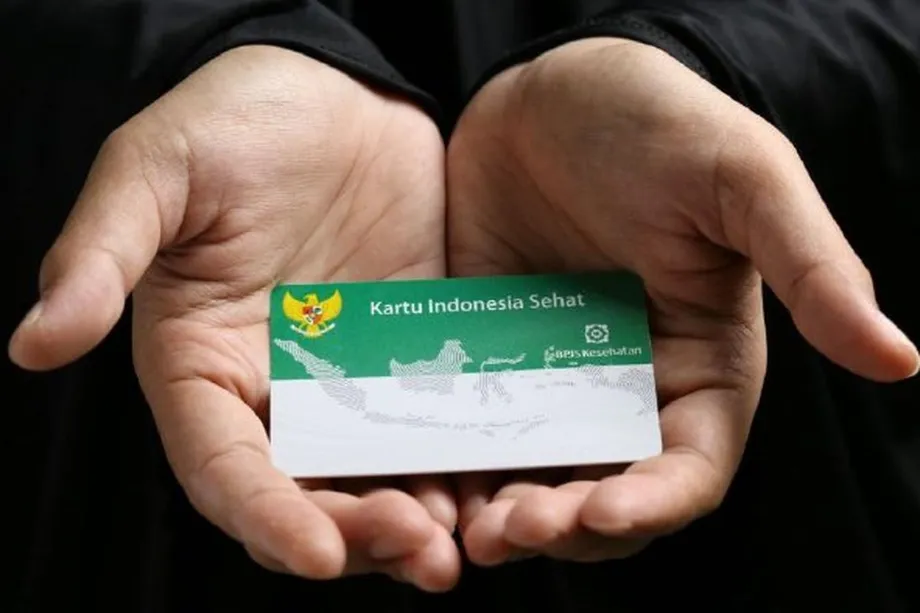
Rizzky Anugerah, head of public relations at BPJS Kesehatan, said in a statement dated October 28, 2026, that eligibility adjustments follow updates to the National Single Socioeconomic Data, known as DTSEN. The target group for Penerima Bantuan Iuran Jaminan Kesehatan, or PBI JK, is people in welfare deciles 1–5.
For households that depend on the government to pay their health insurance contributions, the immediate task is to check both their membership status and the welfare information used to assess their eligibility. People who remain poor or face financial hardship can request corrections through local government offices.
BPJS Kesehatan administers the National Health Insurance programme, known as JKN, but does not decide a household's welfare decile. Rizzky said the agency receives updated beneficiary information from the ministries and institutions authorised to manage it, with membership records updated monthly.
The November 1 date circulating online has caused concern among members sharing screenshots of inactive coverage. BPJS has described a process involving eligibility checks, data updates and a grace period. The start date of the 90 days, its relationship to November 1 and the number of people affected were not specified in the clarification.
What the welfare deciles mean
DTSEN groups households into 10 welfare categories called deciles. In a ranking divided into ten equal groups, each decile represents roughly a tenth of the population being ranked. Lower deciles indicate lower welfare levels, while higher deciles indicate greater economic resources.
The eligibility criteria described by Rizzky place deciles 1–5 within the target group for PBI JK assistance. People recorded in deciles 6–10 fall outside that target group and may lose government payment of their contributions if their classification remains unchanged after the grace period.
A household's recorded position matters because it helps determine who receives assistance. For a family whose income has fallen or whose circumstances are recorded incorrectly, checking DTSEN is therefore a practical step toward keeping support that matches its needs.
Rizzky said people in deciles 6–10 who are still poor or unable to afford contributions can ask for their socioeconomic data to be updated. Authorities then assess the information used to determine eligibility. Members whose welfare records are accurate and who can afford contributions are encouraged to move to membership they pay for themselves.
Why the membership category matters
PBI JK pays health insurance contributions for eligible recipients. Losing that assistance changes who pays for coverage, making it important for affected members to establish whether they should seek a data correction, request reactivation or arrange another membership category.
One notification shared during the social media discussion identified an inactive membership under the categories Pekerja Bukan Penerima Upah and Bukan Pekerja, abbreviated PBPU and BP, with contributions covered by a regional government. These categories cover people outside wage employment and people classified as nonworkers.
A member receiving regional government support should give officials the exact category shown in the notification. That detail helps the local administration and BPJS identify the funding arrangement involved and the procedure that applies to the person's record.
BPJS Kesehatan handles membership administration, while the authorised government bodies manage beneficiary and welfare data. A person challenging an economic classification therefore needs to contact the local offices responsible for forwarding a data review, alongside checking the insurance record with BPJS.
How to check coverage and welfare records
Members can check whether their JKN coverage is active through the Mobile JKN application, the PASTI JKN membership checking service, the PANDAWA administrative service on WhatsApp at 0811-8165-165, the BPJS Kesehatan Care Center at 165, or a nearby BPJS office.
The Ministry of Social Affairs' Cek Bansos website provides a way to check socioeconomic information, including the welfare classification relevant to assistance. Members seeking a review should compare that information with their current household circumstances and confirm their PBI status.
Rizzky urged all JKN members, rather than only PBI recipients, to check their records regularly. He explained the next step for anyone finding an inactive status:
"Members need to regularly check their JKN membership status to understand their current coverage. If their status is inactive, they can seek information through official BPJS Kesehatan channels and coordinate with the relevant agencies based on their circumstances," Rizzky said.
For someone preparing for medical treatment, checking early gives time to contact the appropriate office before arriving for care. The membership check establishes the current insurance status; the welfare check helps identify whether the economic information behind contribution assistance needs review.
How to use the 90 days to request corrections
Participants recorded in deciles 6–10 can take a request for updated socioeconomic information to their village office, urban village office or local Social Affairs Office. Rizzky also directed people with concerns to local government offices, including subdistrict administrations, for follow up.
Village officials and Social Affairs offices can process updates through SIKS-NG, the government's social welfare information system. Other channels identified for checking or updating records include the DTSEN form service operated by Statistics Indonesia and the Social Affairs Ministry's social protection portal.
The purpose of the request is to bring the official record into line with the household's present situation. A participant who remains in deciles 6–10 after the 90 days may have PBI JK membership deactivated, making prompt contact with the local administration important.
Rizzky, explaining why households should report inaccurate information, said:
"Updating socioeconomic data is important to ensure that contribution assistance reaches people who meet the eligibility criteria. Therefore, participants who believe their economic circumstances are not accurately reflected in the recorded data should promptly coordinate with local governments through village or subdistrict officials or the local Social Affairs Office," Rizzky added.
A member who is already sick can also provide a certificate describing the medical situation when reporting to local authorities. That gives officials information about both the welfare concern and the need for healthcare.
What happens if PBI JK is already inactive?
Inactive participants can apply for reactivation through their local Social Affairs Office. BPJS Kesehatan's explanation cites Social Affairs Minister Regulation No. 3 of 2026 as the basis for the process.
The criteria described under that regulation include participants whose membership was deactivated no more than six months earlier and inactive PBI JK participants who need medical services. Applicants are directed to bring a Surat Keterangan Membutuhkan Layanan Kesehatan, a certificate confirming the need for healthcare.
The Social Affairs Office submits the proposed reactivation to the Ministry of Social Affairs for verification. BPJS Kesehatan then restores membership when the participant is found to meet the requirements. Filing the request begins an assessment, with the decision depending on the verification result.
For members trying to navigate the process, the responsibilities are divided into three stages:
- The local Social Affairs Office receives the request and supporting health certificate.
- The Ministry of Social Affairs verifies the proposed recipient's eligibility.
- BPJS Kesehatan reactivates membership after the requirements are met.
Rizzky urged inactive members who need treatment to contact the Social Affairs Office promptly so their applications can be processed under the applicable requirements.
January cases have additional criteria to check
Guidance concerning participants deactivated in January 2026 sets out a more specific group for reactivation. It identifies people included in that month's deactivation list who are poor or vulnerable to poverty, supported by verification in the field.
The January guidance also identifies chronic disease, catastrophic illness or a medical emergency threatening life as relevant health circumstances. Chronic diseases require continuing care, while catastrophic illnesses can involve intensive treatment and very large costs.
The October explanation describes applications within six months of deactivation and inactive members needing healthcare; the January guidance refers specifically to that earlier deactivation group and its welfare and medical criteria. Anyone affected should give the Social Affairs Office the actual deactivation date and medical circumstances so officials can identify the applicable route.
Across both sets of guidance, the practical starting point is the same local office. The applicant's economic position and healthcare needs are then checked through the government process before BPJS restores eligible membership.
The dates and choices members need to track
The discussion spans an earlier deactivation group, an October clarification and a November date circulated on social media. Keeping those points separate helps members explain their own case when seeking assistance.
- January 2026: A group of deactivated PBI JKN participants is identified in specific reactivation guidance covering poverty verification and serious medical needs.
- October 28, 2026: Rizzky explains the DTSEN eligibility adjustments, the target group in deciles 1–5 and the opportunity to update inaccurate welfare data.
- November 1, 2026: Social media posts identify this as a potential deactivation date for participants in deciles 6–10.
- 90 days: The grace period described for affected participants to update socioeconomic data.
- Six months after deactivation: A period identified in the reactivation criteria described under Social Affairs Minister Regulation No. 3 of 2026.
People who can afford their own contributions are encouraged to move to JKN membership they fund themselves. They can contact BPJS through its administrative channels to arrange the appropriate category and check their coverage status.
Households still needing government assistance have a different task: ask local officials to review inaccurate welfare records or, if coverage is already inactive, submit the relevant reactivation request. For a person currently needing treatment, the health certificate is a key document in that process.
Key Points
- PBI JK assistance targets people in welfare deciles 1–5; participants in deciles 6–10 may lose contribution support.
- Affected participants have a 90-day grace period to update socioeconomic data that does not reflect their circumstances.
- BPJS Kesehatan administers membership, while authorised government bodies determine welfare data and beneficiary eligibility.
- Members can check coverage through Mobile JKN, PASTI JKN, PANDAWA on WhatsApp, Care Center 165 or a BPJS office.
- Inactive members can seek reactivation through the local Social Affairs Office, with a health service requirement certificate and government verification.
- Members able to pay contributions independently are encouraged to arrange membership they fund themselves.