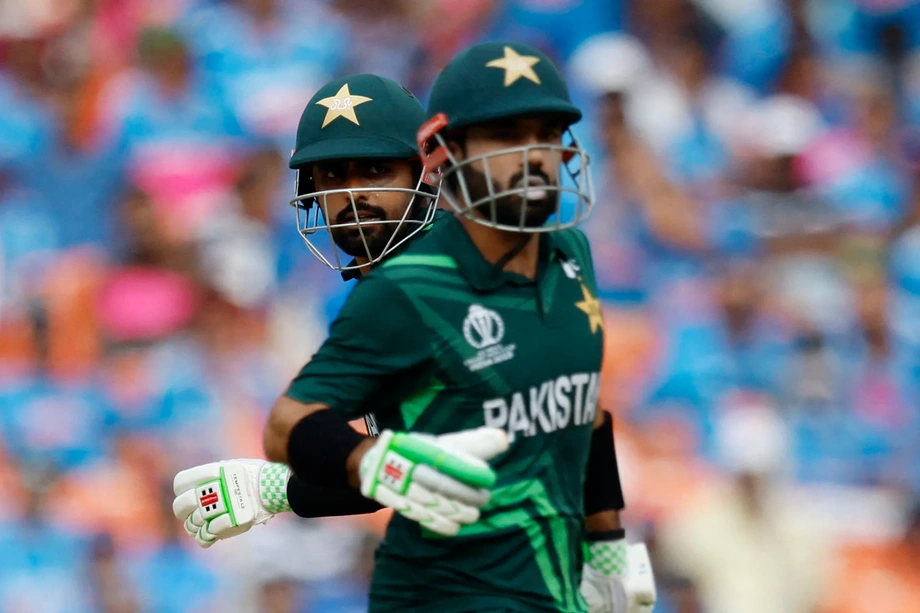
A Bold Shakeup in Pakistan Cricket
Pakistan cricket fans are witnessing a massive transformation as the Pakistan Cricket Board announced a brand new central contract list on November 21, 2026. This major overhaul expands the pool of contracted players from 30 to 38 and introduces a specialized, format-based system designed to give athletes greater clarity in their international careers. The announcement arrived just a day after Pakistan defeated Sri Lanka in Rawalpindi, securing their first Test series win in two years and building on momentum witnessed after last year's attacks and recent home victories. The new agreements run from November 1, 2026, through June 30, 2027, replacing older ranking tiers with five distinct categories that match modern sporting demands.
Contents
- A Bold Shakeup in Pakistan Cricket
- High Profile Omissions Shake the Squad
- Five Specialized Categories Replace Old Rankings
- Financial Structure and Remuneration Tiers
- Major Expansion of the Development Pathway
- Timeline of Recent Pakistan Cricket Developments
- What Remains Unknown and Next Steps
- The Bottom Line
The restructuring follows a turbulent period for the national team, which included a disastrous 3-0 Test series defeat against England that prompted heavy squad rotation and coaching changes. During that tour, management sent seven players home and replaced head coach Sarfaraz Ahmed with Mike Hesson taking over the red-ball duties. Selector Aaqib Javed explained the reasoning behind the new approach to the media in Lahore. We are testing new players and these contracts are devised to let players focus on their specific format, Aaqib Javed told reporters.
High Profile Omissions Shake the Squad
Twelve players who held contracts in the previous cycle have lost their places, including former captains Mohammad Rizwan and Shan Masood, as well as opening batter Imam-ul-Haq. Their exclusions follow recent team struggles, including the heavy series defeat in England where Rizwan and Imam were sent home early. Additional players omitted from the new list include Saim Ayub, Hasan Ali, Abdullah Shafique, Mohammad Haris, Mohammad Nawaz, Noman Ali, Hussain Talat, Khurram Shahzad, Abbas Afridi, Mohammad Wasim Junior, and Aamer Jamal. Mohammad Rizwan also faced additional scrutiny due to an ongoing investigation by the National Cyber Crime Investigation Agency concerning leaked team information during the England tour, though board officials emphasized that central contracts remain separate from national team selection.
Despite the high-profile cuts, veteran leaders secured prominent spots in the top tiers of the new structure. Test captain Babar Azam and recently sacked Twenty20 International skipper Salman Ali Agha occupy the highest combined Test and ODI category, serving as the backbone of the senior leadership group. Meanwhile, ODI captain Shaheen Shah Afridi has been placed in the category covering both one-day internationals and Twenty20 fixtures. Other established names like Shadab Khan have been assigned exclusively to the T20 category.
Five Specialized Categories Replace Old Rankings
The traditional A-to-D grading system has been entirely discarded in favor of five specialized tracks that dictate player commitments and compensation. The categories consist of Test and ODI for dual-format mainstays, Test specialists, ODI and T20I cricketers, T20I specialists, and a large developmental pathway category for emerging talent. The board created this model to ensure athletes concentrate on the specific disciplines where they add the most value. Head coach Mike Hesson described the strategic benefits of the new system during team briefings.
This central-contract model allows the players to remain focused on the formats they are most likely to be involved in. It doesn't exclude them from the other formats, and it also doesn't exclude players who are not awarded the contracts, as they can continue to push their case for Pakistan.
Players placed in these categories face specific domestic participation requirements to maintain eligibility. Test specialists must appear in a minimum number of four-day first-class matches, while limited-overs players must participate in domestic List A and domestic T20 fixtures. Fitness testing and medical assessments also form mandatory parts of the updated contractual obligations.
Financial Structure and Remuneration Tiers
The Pakistan Cricket Board restructured player compensation by dividing the specialized categories into internal monthly salary tiers ranging from PKR 1 million to PKR 4.8 million. Players in the top Test tier earn PKR 4 million monthly, while top dual-format Test and ODI athletes receive PKR 4.8 million. Match fees vary by format, with Test specialists earning PKR 1.5 million per Test match, PKR 650,000 for an ODI, and PKR 450,000 for a T20I. Dual-format players receive higher limited-overs match fees, while developmental pathway cricketers earn a flat monthly rate of PKR 1 million.
Performance-based incentives form another key component of the new agreements, rewarding athletes for winning matches against higher-ranked international opponents. Victories against tougher teams double the standard match fees for the squad. Furthermore, contracted players appearing in domestic four-day red-ball matches receive half of a Test match fee as an added domestic incentive. Winning an official international tournament final under the new structure brings a massive performance bonus worth 500 percent of a player match fee for the final.
Major Expansion of the Development Pathway
The new 38-player central contract list features a significant increase in young and uncapped prospects, with 19 players placed directly into the development category. This group includes seven young talents who recently featured in the Test series victory against Sri Lanka. Players such as Mohammad Taha, Tayyab Arif, Ghazi Ghori, Saad Baig, Razaullah, Sameer Minhas, and Saqib Khan earned their developmental deals through impressive domestic performances and early international exposure. Saqib Khan claimed nine wickets across two matches against Sri Lanka, while Ghazi Ghori contributed a vital half-century in the second Test.
Family connections also feature in the new development intake, with Hunain Shah joining the contracted pool alongside his brother, fast bowler Naseem Shah. Other young prospects included in the pathway are Ubaid Shah, Abdul Samad, Abdullah Fazal, Ahmed Daniyal, Ali Raza, Farhan Yousaf, Mohammad Imran Randhawa, Saad Masood, Shahzaib Khan, Shamyl Hussain, and Sufyan Moqim. Coaches plan to narrow the national selection pool down to roughly 20 core players through upcoming domestic competitions like the ODI Cup and multi-team matches held in Multan.
Timeline of Recent Pakistan Cricket Developments
- June 30: Previous central contracts expire without an immediate renewal.
- August: Pakistan suffers a 3-0 Test series defeat against England, leading to squad overhauls and coaching changes.
- October 18: Babar Azam passes 16,000 international runs during a tri-series match in Rawalpindi.
- November 20: Pakistan defeats Sri Lanka in Rawalpindi to secure their first Test series win in two years.
- November 21: The Pakistan Cricket Board announces the new 38-player central contract list running until June 30, 2027.
What Remains Unknown and Next Steps
Several administrative and scheduling details remain unconfirmed as the new contract cycle gets underway. The board has not publicly released the exact percentage increases applied to the updated player salary tiers, nor have they detailed the exact number of No-Objection Certificates each player will receive for playing in overseas franchise leagues. Pakistan will now turn its attention toward upcoming domestic fixtures and the broader build-up for future global tournaments, relying on the newly contracted player pool to stabilize performances across all three international formats.
The Bottom Line
- The Pakistan Cricket Board expanded its central contract list from 30 to 38 players under a new format-based structure effective until June 30, 2027.
- Former captains Mohammad Rizwan and Shan Masood, alongside opener Saim Ayub, were notable omissions from the newly announced list.
- Babar Azam and Salman Ali Agha secured the highest combined Test and ODI contracts, while Shaheen Shah Afridi was placed in the ODI and T20I category.
- Nineteen new players entered the newly created development category, including several young talents who featured in the recent series win against Sri Lanka.
- Contracted players face strict domestic participation rules, fitness assessments, and specialized format commitments tied to monthly salaries and match fee bonuses.