A landmark innings with unfinished business
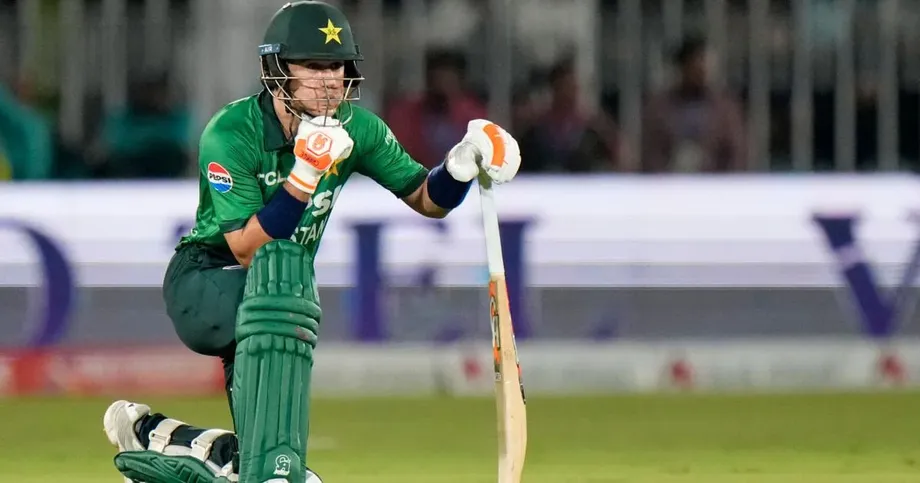
Babar Azam became the fifth Pakistani batter to reach 16,000 international runs during a 37 run victory over Sri Lanka in Rawalpindi on October 18. He reached the landmark in his 399th innings, just one innings slower than Javed Miandad, before another dismissal against a short ball brought his contribution to an end.
Contents
- A landmark innings with unfinished business
- How Babar reached the milestone
- Third fastest among Pakistan's leading batters
- What makes up his 16,038 runs?
- A career built through several stages
- Agha and the bowlers complete Pakistan's recovery
- Why the short ball remains a concern
- Recent numbers explain the selection debate
- The World Cup and the next matches
- Key Points
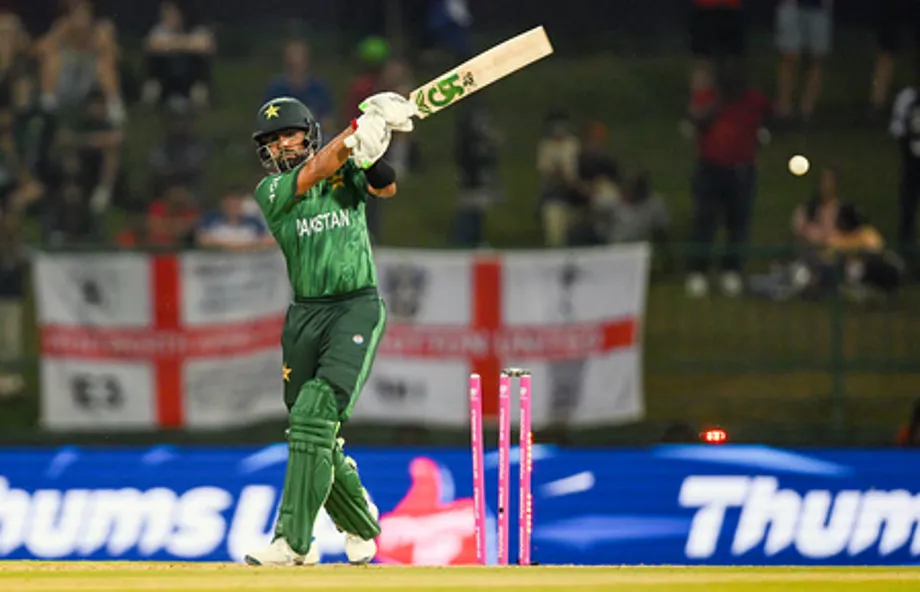
Babar entered the opening match of Pakistan's ODI tri-series needing seven runs. A three off Asitha Fernando, six deliveries into his innings, took him to the milestone. He eventually made 45 from 57 balls, including six fours, before Pavan Rathnayake caught him off Eshan Malinga.
Pakistan went on to make 305 all out and dismiss Sri Lanka for 268. Salman Ali Agha supplied the decisive batting contribution with 107 from 90 balls, while Shaheen Shah Afridi took three wickets to help secure the victory.
For Babar, the afternoon brought a place alongside Inzamam-ul-Haq, Younis Khan, Mohammad Yousuf and Miandad on Pakistan's list of leading international run scorers. His total reached 16,038 across 355 appearances since his debut in 2015.
The achievement also arrived amid scrutiny of his recent batting. His difficulty handling deliveries that rise sharply from the pitch remains a concern as Pakistan prepare for the 2027 World Cup in South Africa, Zimbabwe and Namibia. Rawalpindi offered both a reminder of his accumulated success and a concrete example of the problem he needs to address.
How Babar reached the milestone
Sri Lanka captain Kusal Mendis won the toss and chose to field. Babar came in at No. 3 after Saim Ayub was caught at mid-off off Dilshan Madushanka in the third over. Pakistan then lost their other opener, Fakhar Zaman, leaving them 32 for two.
Babar opened his account against Fernando and used drives through the off side to move beyond 16,000. The landmark came in the fourth over of Pakistan's innings, early enough for him to have much of the innings still available to build a larger score.
Alongside Saad Baig, who was making his ODI debut, Babar added 74 for the third wicket. Their partnership took Pakistan from 32 for two to 106, giving the innings some stability after the early losses.
Babar's six boundaries accounted for 24 of his 45 runs. His scoring rate was about 79 runs per 100 balls, the measure cricket calls a strike rate. The innings helped rebuild Pakistan's position, but his dismissal five runs short of a half-century left the middle order with substantial work still to do.
Third fastest among Pakistan's leading batters
Mohammad Yousuf remains the fastest Pakistani to reach 16,000 international runs, having taken 388 innings. Miandad needed 398, Babar 399, Inzamam 432 and Younis 449. Babar therefore reached the mark 11 innings after Yousuf, but 33 before Inzamam and 50 before Younis.
Virat Kohli holds the international record for reaching 16,000 runs in the fewest innings, at 350. Babar needed 49 more innings. Matches and innings measure different things: a player can bat twice in a Test match, while an ODI or T20 international allows each team one batting innings.
Inzamam leads Pakistan's career totals with 20,541 runs in 495 matches. Younis follows with 17,790 in 408 matches, Yousuf with 17,134 in 374, and Miandad with 16,213 in 357.
Babar finished the Rawalpindi match 175 runs behind Miandad, making fourth place on Pakistan's list his nearest statistical target. The much larger international benchmark is Sachin Tendulkar's career total of 34,357 runs.
What makes up his 16,038 runs?
Babar's international total combines three forms of cricket: Tests, which can last five days; ODIs, in which each team normally faces up to 50 overs; and T20 internationals, which allow 20 overs per team. An over consists of six legal deliveries.
ODIs account for his largest share, with 6,671 runs in 144 matches. He has also scored 4,771 runs in 66 Tests and 4,596 in 145 T20 internationals. Those figures add up to 16,038, with ODIs contributing about 42 percent.
His career includes 32 international centuries and 111 half-centuries. A century means an innings of at least 100 runs, while a half-century means reaching 50. His highest international score is 196.
Babar's ODI record is particularly relevant to the current debate about his place in Pakistan's team. He has 20 centuries in the format and an average of 53.36. A batting average divides runs by dismissals, allowing innings in which a batter finishes unbeaten to be counted differently from completed dismissals.
A career built through several stages
Babar's route to the landmark began in junior cricket. Born in Lahore and related to the Akmal family of cricketers, he progressed through Pakistan's age group teams before becoming a regular international batter.
His career includes several distinct periods of rapid progress:
- 2008: Babar was part of Pakistan's cricket structure for players under 15.
- 2010 and 2012: He finished as Pakistan's leading run scorer at the Under-19 World Cup in each tournament.
- 2015: He made his international debut against Zimbabwe at home and scored a half-century.
- 2016: At 21, he struck three consecutive ODI centuries against West Indies.
- By 2018: He had become the joint second fastest batter to reach 2,000 ODI runs.
- 2022: He scored 1,184 Test runs, including four centuries.
- October 18, 2026: He passed 16,000 international runs against Sri Lanka in Rawalpindi.
Those achievements explain why Pakistan have relied so heavily on him across formats. His latest milestone rests on more than a decade of international batting, including success in both the longer demands of Test cricket and the shorter limited overs formats.
Agha and the bowlers complete Pakistan's recovery
Pakistan were 118 for four after Babar and Baig, who made 39, had both departed. Agha and Hasan Nawaz then added 97 for the fifth wicket, moving the score to 215 before Nawaz was dismissed for 37 from 49 balls.
Agha continued with Arafat Minhas, whose 18 from 15 balls helped produce a further partnership of 64. Agha's fourth ODI century included 10 fours and a six. Pakistan were eventually dismissed in 49.5 overs, meaning 49 completed overs and five further legal balls.
Malinga finished with four wickets for 46 runs, while Fernando took three for 59 and Madushanka claimed two. Sri Lanka needed 306 to win, but their chase came under early pressure and they were 91 for four.
Rathnayake, who had taken the catch to dismiss Babar, led Sri Lanka's resistance with 79 from 74 balls. Janith Liyanage made 60 from 74, but Sri Lanka were all out for 268 in 48.1 overs. Afridi took three wickets, while Naseem Shah, Haris Rauf and Faheem Ashraf took two each.
The victory gave Pakistan two points in the tournament. It also showed how several players contributed to the result: Babar and Baig repaired the early damage, Agha drove the total past 300, and the bowlers defended it.
Why the short ball remains a concern
Malinga's dismissal of Babar brought attention back to a recurring weakness. A short ball lands farther from the batter than a fuller delivery and has more room to rise before reaching him. Depending on the surface and the bowler's pace, it can climb toward the chest or head.
A batter must quickly decide whether to duck, move out of its line, defend or attack. A poorly controlled attacking shot can send the ball into the air, giving a fielder a catching opportunity.
Babar's drives against Fernando showed his ability to score when the ball was pitched farther forward. The short delivery presented a different challenge, requiring a rapid adjustment to the height and direction of the bounce.
Opposing teams can study footage of his dismissals when planning how to bowl to him. Repeated trouble with a particular delivery gives bowlers a specific tactic to try, including early in an innings when a batter is still settling.
Recent numbers explain the selection debate
Babar's 2026 figures show why his form has become a talking point. Across formats, he had scored 742 runs in 18 matches and 21 innings, averaging 41.22, with six half-centuries and a highest score of 88.
In ODIs that year, he had 170 runs from four innings at an average of 42.50, with one half-century. His strike rate was 67.72, or roughly 68 runs per 100 balls. His career ODI average of 53.36 provides a higher benchmark than that recent return.
Former Pakistan fast bowler Shoaib Akhtar has said Babar's place in the ODI side could come under scrutiny if his form does not improve. His warning concerns selection, while Babar's record supplies the reason Pakistan would want him to recover his best batting.
Speaking on PTV Sports' Outside Edge programme, Akhtar said: "I think the big question mark is there. I am telling you from the inside: this is something they are thinking, along those lines." He said Pakistan's team management was considering dropping Babar from the ODI side, although he believed the batter still deserved an opportunity to prove himself.
The immediate task is straightforward to describe, even if difficult to achieve: turn promising starts into longer innings while finding a more reliable response to rising deliveries. In Rawalpindi, Babar passed a major career landmark but again left before reaching 50.
The World Cup and the next matches
South Africa, Zimbabwe and Namibia will host the 2027 ODI World Cup. The pace and bounce associated with pitches in the region make Babar's response to short bowling especially relevant to Pakistan's preparations.
Pakistan's current tri-series provides further opportunities to assess their batting against Sri Lanka and England. Each team plays the other two twice, producing six group matches, before the leading two teams meet in the final.
The remaining schedule is:
- October 20: Pakistan against England in Rawalpindi.
- October 22: England against Sri Lanka in Rawalpindi.
- October 25: Pakistan against England at Gaddafi Stadium in Lahore.
- October 27: Pakistan against Sri Lanka in Lahore.
- October 29: England against Sri Lanka in Lahore.
- October 31: The final at Gaddafi Stadium.
Pakistan also have fitness decisions to make. In a statement, the Pakistan Cricket Board said leg spinners Shadab Khan and Sufiyan Muqeem missed the October 18 opener through illness and were receiving the necessary treatment from the Pakistan medical team. The board added that both players would be considered for selection for the remaining tri-series matches if they recovered fully in time.
Babar enters those fixtures within 175 runs of Miandad's career total. Pakistan's more immediate need is for his next innings to help build on their opening victory, with stronger scoring and fewer opportunities for opponents to exploit the short ball.
Key Points
- Babar Azam became the fifth Pakistani to pass 16,000 international runs, reaching the mark in his 399th innings.
- He scored 45 from 57 balls against Sri Lanka and finished with a career total of 16,038 runs.
- Only Mohammad Yousuf and Javed Miandad reached the milestone in fewer innings for Pakistan.
- Pakistan won by 37 runs after Salman Ali Agha made 107 and Sri Lanka were dismissed for 268.
- Babar's latest dismissal against a short ball keeps his handling of bounce in focus before the 2027 World Cup.
- The tri-series final is scheduled for October 31 at Gaddafi Stadium in Lahore.