The Sudden Exit of a Technology Icon
Jensen Huang, the co-founder and long-serving chief executive of artificial intelligence giant Nvidia, stepped down from his position on November 12, 2026, after acknowledging personal conduct failures and facing national security scrutiny. The departure of an executive who shaped the modern computing landscape for 33 years has sent powerful shockwaves through international financial markets. In Taiwan, where local manufacturers built an entire economic engine around Nvidia's hardware specifications, the leadership transition has triggered sharp stock declines and intense anxiety regarding future growth.
Contents
- The Sudden Exit of a Technology Icon
- Taiwan Economic Miracle Faces Reevaluation
- Government Officials Urge Calm Amid Market Volatility
- Global Market Losses and Supply Chain Adjustments
- Corporate Governance and the Search for a Successor
- Strategic Partnerships and Ongoing Production Commitments
- Political Scrutiny and Geopolitical Pressures
- The Essentials
The events leading to the resignation developed rapidly following allegations regarding personal relationships and contacts with a businesswoman, Alice Huang, also known as Huang Le, who has been associated with Singapore-based computing company Megaspeed and suspected by American officials of having ties to Chinese intelligence. Following public disclosures of these relationships and an internal review, the Nvidia board of directors accepted his immediate resignation as president, chief executive, and a director. The developments have also prompted broader scrutiny of advanced chip distribution, corporate governance, and the sustainability of massive infrastructure investments that have fueled global markets in recent years.
As detailed in Jensen Huang Resigns From Nvidia, the company moved swiftly to install Chief Financial Officer Colette Kress as interim chief executive while establishing an oversight committee to examine the situation. The sudden shift ended an era in which technology supply chains operated under the direct influence of a single visionary leader who defined the architecture of the artificial intelligence boom.
Taiwan Economic Miracle Faces Reevaluation
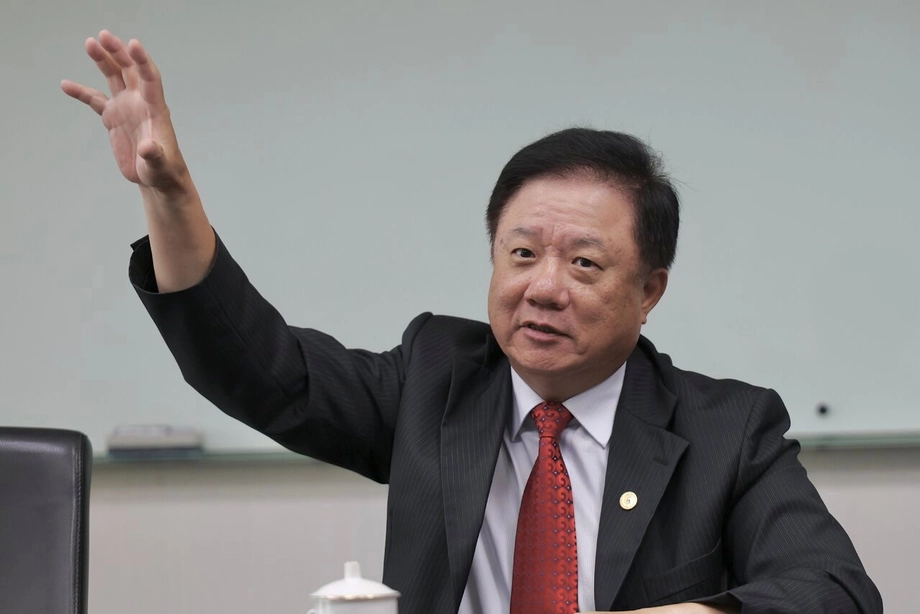
Financial analysts and industry leaders in Taipei have expressed deep concern over the vulnerability of local manufacturing partners. According to prominent market commentator and Formosa Transnational Media Group Chairman Sheu Chin-der, the artificial intelligence growth model that lifted Taiwan to record prosperity over the previous three years is now undergoing a harsh market reevaluation. Since Jensen Huang delivered a landmark address at the National Taiwan University graduation ceremony on May 17, 2023, Taiwanese enterprises transitioned away from low-margin consumer electronics assembly into high-value server production and advanced semiconductor packaging.
This transformation generated extraordinary financial results across the island. Prominent component suppliers achieved massive profitability, with high-margin firms reporting exceptional earnings per share. The artificial intelligence boom propelled Taiwan's export value upward by 57.7 percent in the first ten months of the year, while the Ministry of Economic Affairs reported that October export orders reached a record 1,238.2 billion US dollars, representing an annual increase of 78.3 percent. Gross domestic product growth for the first three quarters reached 14.36 percent, average income surpassed 40,000 US dollars, and local stock market capitalization surged to fourth in the global rankings. Analysts note that without the direct coordination provided by the former Nvidia leader, the valuation metrics applied to the entire technology sector are undergoing fundamental adjustment.
Government Officials Urge Calm Amid Market Volatility
Despite sharp declines in the local stock exchange, government authorities in Taipei have moved quickly to reassure investors that the foundational drivers of the domestic economy remain sound. Ministry of Economic Affairs officials emphasized that long-term trends in artificial intelligence infrastructure are robust and will not be derailed by the departure of a single executive. Department of Statistics Director General Huang Wei-jer noted that chip export controls implemented by the United States Bureau of Industry and Security represent administrative adjustments to existing regulations rather than systemic barriers, creating limited direct impact on domestic operations.
Economic planners pointed out that major international technology buyers requiring specialized manufacturing partners must undergo lengthy validation processes lasting up to a full year, ensuring that global brands will continue relying on Taiwan's established ecosystem. The Ministry of Economic Affairs consulted with eight major industrial and commercial federations, reporting that business operations and order visibility through the end of the year remain largely unaffected. Furthermore, the Directorate General of Budget, Accounting and Statistics projected that the economic growth rate could exceed 12 percent, marking a 39-year high driven by sustained demand for electronic components and advanced computing products.
Global Market Losses and Supply Chain Adjustments
The financial fallout from the leadership crisis extended far beyond Asian manufacturing hubs, creating widespread turbulence across global equity and commodity markets. Nvidia shares experienced severe downward pressure, falling significantly from previous highs and erasing over two trillion dollars in market capitalization as investors confronted a new era of uncertainty. The dramatic selloff also impacted companies providing supporting infrastructure, cloud services, and specialized data center equipment.
Market observers noted that the broader artificial intelligence ecosystem had already been facing questions regarding whether multi-trillion-dollar capital expenditure plans could sustain their initial momentum. While companies heavily reliant on specialized processors experienced significant valuation contractions, a few alternative hardware providers recorded modest gains as institutional investors sought diversification. Industry analysts suggest that the interim leadership team under Colette Kress may apply a more rigorous, disciplined approach to financial commitments and venture funding compared to the aggressive capital deployment characteristic of the previous administration.
Corporate Governance and the Search for a Successor
Internal tensions within Nvidia surfaced during a historic corporate gathering at the company headquarters in Santa Clara, California. During an all-employee meeting, co-founder Chris Malachowsky expressed deep disappointment regarding the ethical lapses that precipitated the crisis, urging staff members to protect the core values established when the firm was founded in 1993. The board of directors has consistently rejected petitions for reinstatement supported by tens of thousands of employees and shareholders, including prominent technology executives such as Tesla leader Elon Musk, who publicly backed calls for a reconsideration.
As explored in Nvidia board rules out Jensen Huang return, the board formally engaged outside legal counsel to conduct an independent review of executive conduct, potential national security implications, and the handling of sensitive corporate information. Directors have initiated a formal search for a permanent chief executive, evaluating both internal candidates and external executives capable of managing complex international regulatory environments and maintaining critical relationships with foundational fabrication partners.
Strategic Partnerships and Ongoing Production Commitments
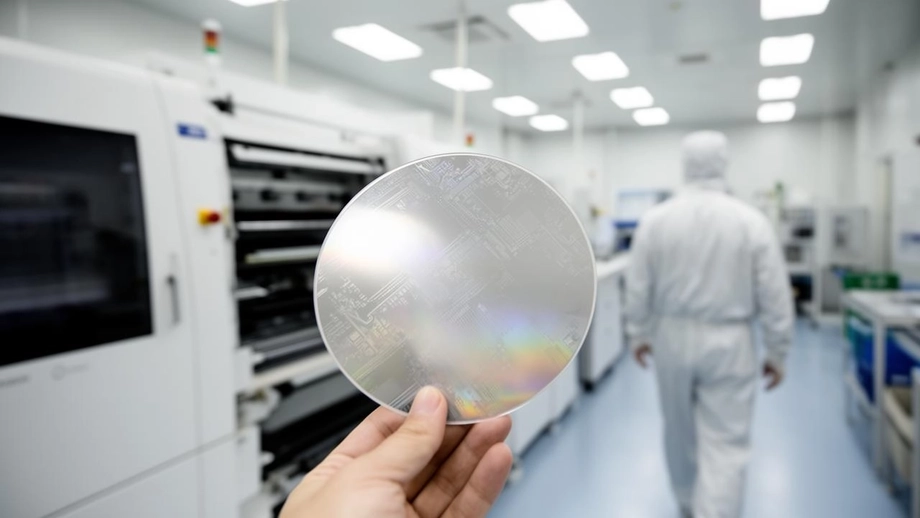
To stabilize customer confidence and prevent supply chain disruptions, Nvidia's interim leadership moved quickly to reaffirm commitments with vital manufacturing allies. Senior executives from Taiwan Semiconductor Manufacturing Company traveled directly to corporate offices in the United States to coordinate production schedules and address potential component bottlenecks. The collaboration ensures that manufacturing processes for advanced architectures, including the Vera Rubin NVL72 server racks and Vera central processing units built using advanced semiconductor nodes and Chip-on-Wafer-on-Substrate packaging technologies, proceed according to schedule.
During quarterly financial presentations, corporate leadership outlined an expanded procurement commitment reaching 390,000 million US dollars, utilizing advance payments to secure dedicated capacity across wafer fabrication, advanced packaging, and printed circuit board manufacturing. Executives from primary partner firms emphasized that long-term engineering collaboration remains firmly established on shared technological roadmaps rather than individual personal relationships. This institutional alignment has provided crucial reassurance to industrial partners who continue supplying components for high-performance computing clusters worldwide.
Political Scrutiny and Geopolitical Pressures
The leadership crisis coincides with heightened geopolitical tensions surrounding international technology trade and export restrictions. American political figures have launched independent inquiries into whether advanced processors manufactured for commercial applications could be diverted to unauthorized military research facilities. Congressional committees requested detailed briefings regarding corporate oversight, supply chain transparency, and export compliance protocols.
While international trade discussions continue across multiple legislative bodies, government officials in Washington and Taipei maintain that the underlying global demand for computational power remains structurally sound. The convergence of corporate governance reform, regulatory compliance, and leadership renewal marks a critical turning point for the semiconductor industry, testing the resilience of supply networks that support the worldwide expansion of artificial intelligence.
The Essentials
- Jensen Huang resigned as chief executive of Nvidia on November 12, 2026, ending 33 years of leadership following personal conduct disclosures and national security inquiries.
- Chief Financial Officer Colette Kress assumed responsibilities as interim chief executive while the board of directors appointed independent legal counsel and initiated a search for a permanent successor.
- The Nvidia board of directors unanimously rejected public petitions and shareholder campaigns calling for the reinstatement of the former chief executive.
- Taiwanese economic authorities reported that October export orders reached a record 1,238.2 billion US dollars, demonstrating that foundational artificial intelligence demand remains robust despite financial market volatility.
- Critical manufacturing partners, including Taiwan Semiconductor Manufacturing Company, dispatched senior executives to coordinate production schedules and secure uninterrupted delivery of advanced computing components.