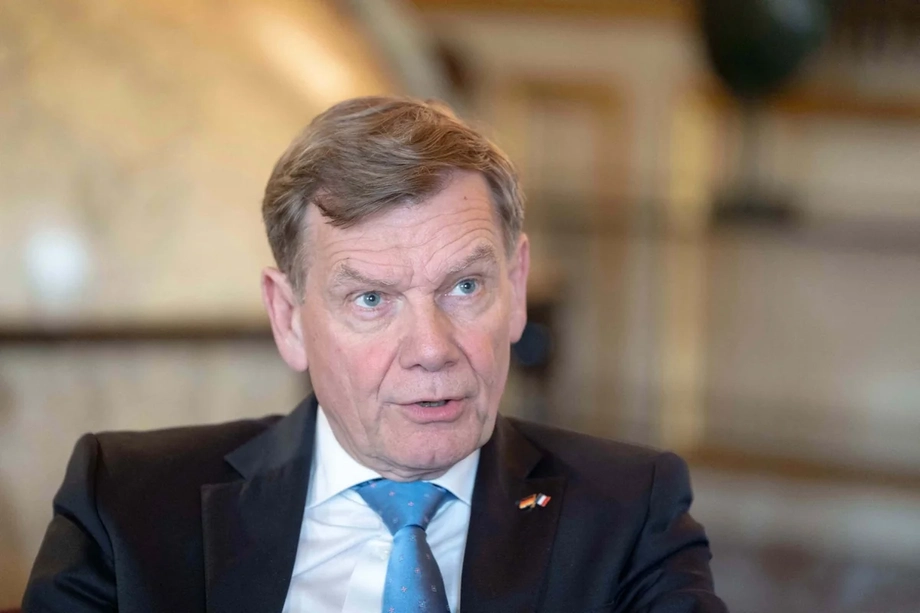
German Foreign Minister Visits Baku to Deepen Bilateral Relations
German Foreign Minister Johann David Wadephul traveled to Baku on November 18, 2026, to hold high-level discussions with Azerbaijani leaders, focusing on energy security, trade expansion, and regional stability. During his visit, Wadephul met with Azerbaijani President Ilham Aliyev and held expanded negotiations with Azerbaijani Foreign Minister Jeyhun Bayramov. The diplomatic engagement highlights a period of closer cooperation between Berlin and Baku following the signing of a strategic partnership declaration in July 2026. Bilateral trade between the two nations reached 1.4 billion U.S. dollars in 2025 and registered approximately 1 billion dollars in the first nine months of 2026.
Contents
- German Foreign Minister Visits Baku to Deepen Bilateral Relations
- Expanding Natural Gas and Oil Supplies to Europe
- The South Caucasus as a Strategic Gateway to Central Asia
- Infrastructure Projects and Transport Corridors Nearing Completion
- Diplomatic Efforts and the Armenia-Azerbaijan Peace Process
- Protests and Wider Geopolitical Discussions
- The Bottom Line
Economic ties are supported by 280 registered German companies in Azerbaijan, of which 210 are currently active. Financial data from bilateral reports show that Germany has invested 950 million dollars in Azerbaijan, while Azerbaijani investments in Germany stand at 670 million dollars, largely concentrated outside the oil sector. Both governments are working to expand this legal and economic foundation, which currently includes 80 active bilateral agreements and another 10 documents under preparation. To coordinate future commercial growth, the two countries agreed to convene the Azerbaijan-Germany Business Council, which was established in July 2026, and arranged for their respective economy ministers to meet in Berlin soon.
Expanding Natural Gas and Oil Supplies to Europe
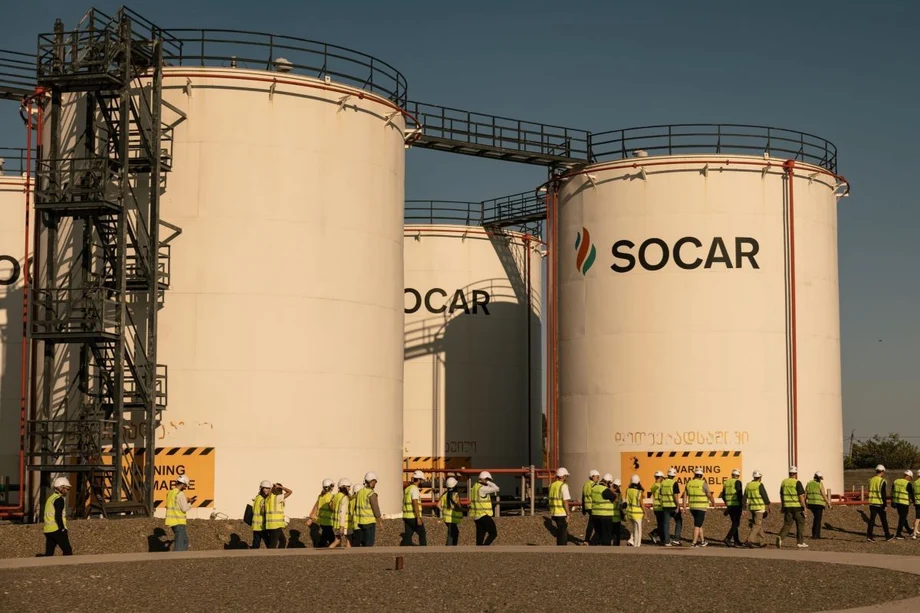
Energy cooperation formed a central pillar of the discussions in Baku, as European nations continue seeking alternatives to Russian energy supplies following the outbreak of the war in Ukraine. Germany relies on imported fossil fuels to power its industrial economy and heat homes, making supply diversification a top priority for national policymakers. Natural gas is a cleaner-burning fossil fuel used extensively for electricity generation and heating, while crude oil serves as the primary raw material for liquid fuels and petrochemicals. Pipeline gas is transported across thousands of kilometers through high-pressure steel pipes, allowing resource-rich countries to deliver fuel directly to international consumer markets.
Foreign Minister Johann David Wadephul described Azerbaijan as an indispensable pillar of Germany and Europe, noting that the country plays a vital role in keeping energy supplies stable and affordable. Azerbaijani Foreign Minister Jeyhun Bayramov announced during the joint press conference that Azerbaijan officially began supplying natural gas to Germany in January 2026. This milestone expands Azerbaijan's export reach to 16 countries, including 10 member states of the European Union. Wadephul noted that political frameworks are necessary to support these energy flows, stating in an interview with the German broadcaster Tagesschau:
Azerbaijan is an important supplier of energy resources, primarily oil, to a significant part of Europe, including Germany. At a time when we need to become less dependent on Russian supplies, having severed those ties, we need reliable suppliers, and Azerbaijan is one of them. Maintaining and expanding this cooperation in the future is in the interests of our economy and consumers, who, of course, need affordable energy.
The South Caucasus as a Strategic Gateway to Central Asia
Beyond bilateral trade in oil and gas, German officials emphasized the broader geographic importance of the South Caucasus region as a critical transit bridge. The South Caucasus is a geopolitical region situated between the Black Sea and the Caspian Sea, encompassing Armenia, Azerbaijan, and Georgia. This corridor connects European markets directly to Central Asia, a landlocked region rich in vital raw materials and industrial commodities. Industrialized economies require a steady influx of these raw minerals to manufacture advanced technology, renewable energy equipment, and infrastructure components.
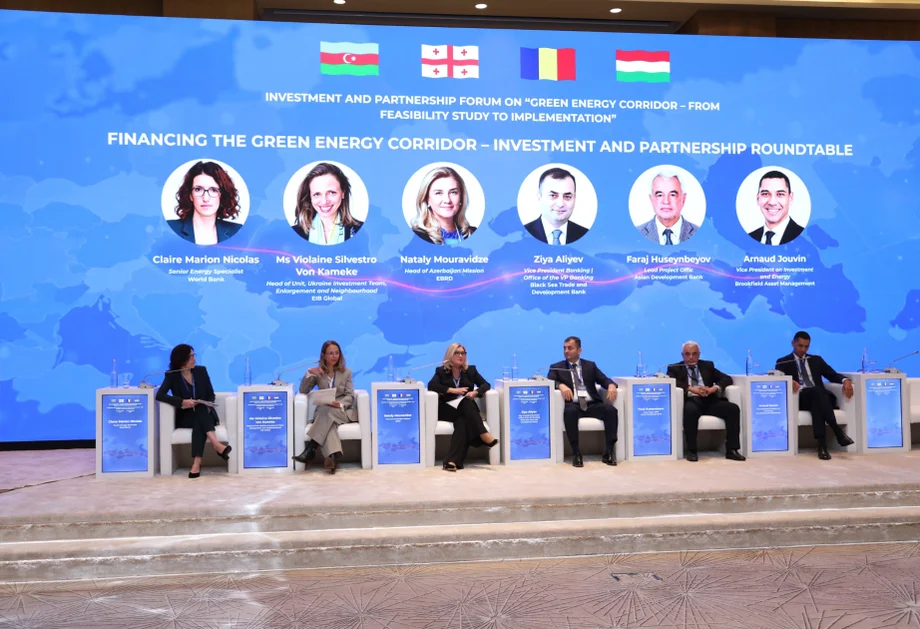
Transport connectivity through this region relies heavily on the Middle Corridor, an international freight network that links Europe and Asia via rail, maritime shipping, and road networks across the Caspian Sea. Foreign Minister Johann David Wadephul pointed out that closer cooperation with Azerbaijan will help secure access to these supply chains, benefiting both corporate investors and ordinary citizens. Discussions in Baku also touched upon advanced infrastructure initiatives, such as the Caspian-Black Sea-Europe Green Energy Corridor, which aims to transmit green electricity generated in Central Asia and the Caucasus to European markets via submarine power cables beneath the Black Sea.
Infrastructure Projects and Transport Corridors Nearing Completion
During the meetings in Baku, Azerbaijani Foreign Minister Jeyhun Bayramov provided detailed updates on ongoing transport and logistics projects designed to enhance regional connectivity. Azerbaijan has invested heavily in modernizing its domestic transport infrastructure to facilitate smooth freight movement along the Middle Corridor and to attract foreign investors to specialized economic zones. Key transport initiatives discussed during the diplomatic visit include:
- Construction of new highway connections leading toward the Armenian border, with work reported to be nearing completion.
- Rapid progress on railway extensions heading toward the border, scheduled for full operational completion in early 2027.
- Plans for a 42-kilometer transport corridor crossing Armenian territory to unify regional transit routes.
- Incentives for German enterprises to utilize the Baku International Sea Trade Port and the Alat Free Economic Zone for manufacturing and logistics operations.
Diplomatic Efforts and the Armenia-Azerbaijan Peace Process
Regional stability remains a prerequisite for long-term economic investment and energy security in the South Caucasus. Germany has actively supported diplomatic efforts to normalize relations between Armenia and Azerbaijan following decades of conflict and territorial disputes. Following his meetings in Baku with President Ilham Aliyev and Foreign Minister Jeyhun Bayramov, German Foreign Minister Johann David Wadephul traveled to Yerevan to hold talks with Armenian Prime Minister Nikol Pashinyan and Armenian Foreign Minister Ararat Mirzoyan.
The diplomatic discussions focused on resolving outstanding legal and constitutional hurdles required to finalize a lasting peace treaty. Wadephul noted that while negotiations have progressed positively and both nations have reached a general understanding on major issues, the formal peace agreement remains unsigned. German officials have stressed that concluding this treaty is essential for preventing future conflicts that could disrupt energy supplies and drive up global prices. Speaking on the connection between domestic legal frameworks and regional stability, Wadephul stated:
For a peace agreement, Armenia needs to make changes to its constitution or adopt a new constitution. I am trying to support this, but, of course, this remains a matter of Armenian domestic politics. If this happens, we will have great opportunities, then we will be able to build new links for goods, raw materials and energy of all kinds, including electricity. I think this is a great opportunity.
Protests and Wider Geopolitical Discussions
While high-level diplomatic meetings took place in Baku and Yerevan, international events also influenced the backdrop of the German foreign minister's tour. In Berlin, demonstrators gathered outside the German Federal Foreign Ministry to stage sit-in protests calling for the release of political prisoners, journalists, and activists in Azerbaijan. These demonstrations echoed earlier protests held during President Ilham Aliyev's visit to Germany in July 2026, highlighting ongoing civil society scrutiny regarding human rights issues alongside official state cooperation.
In addition to regional peace and bilateral trade, the discussions in Baku addressed international security concerns, including the ongoing war in Ukraine. Foreign Minister Johann David Wadephul thanked the Azerbaijani government for providing humanitarian aid and energy support to Kyiv during the conflict. Both nations reaffirmed their commitment to maintaining open diplomatic channels and expanding practical cooperation across energy, transport, education, and digital infrastructure as they prepare to mark 35 years of diplomatic relations in 2027.
The Bottom Line
The Essentials:
- German Foreign Minister Johann David Wadephul visited Baku and Yerevan in November 2026 to advance energy partnerships and regional peace talks.
- Azerbaijan officially began supplying natural gas to Germany in January 2026, expanding its pipeline exports to 16 countries, including 10 EU member states.
- Bilateral trade between Germany and Azerbaijan reached 1.4 billion dollars in 2025 and approached 1 billion dollars in the first nine months of 2026.
- Germany and Azerbaijan agreed to schedule economic ministerial talks in Berlin and activate the Azerbaijan-Germany Business Council.
- German officials stressed that finalizing the Armenia-Azerbaijan peace treaty, including constitutional amendments in Armenia, is vital for securing long-term transport and energy corridors.