Lawmakers approve the full package
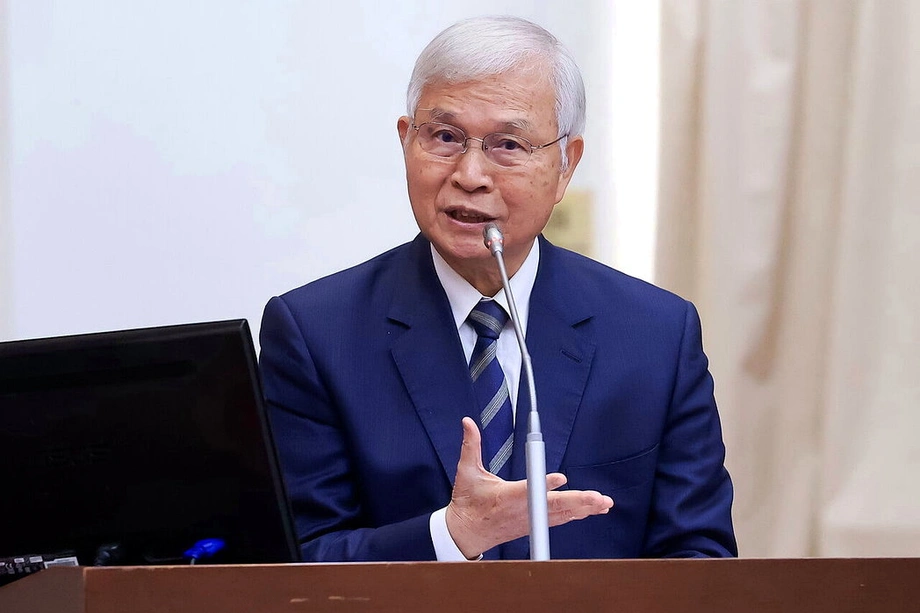
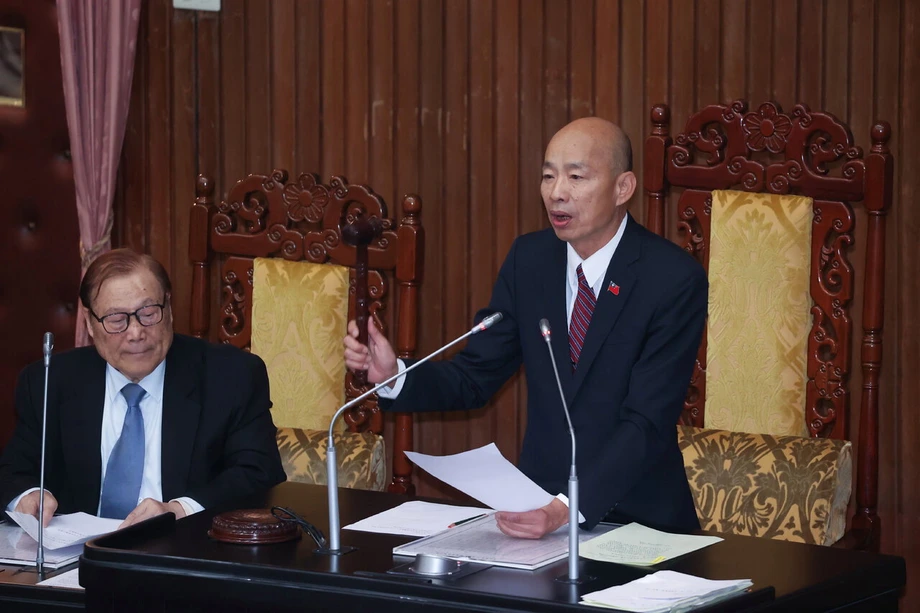
Taiwan's Legislative Yuan on Nov. 20 approved all NT$607.63 billion (about US$18.4 billion) in additional spending proposed for 2026, without cuts. The package includes NT$233.834 billion to increase the capital of state energy company CPC Corp, NT$101.431 billion to help CPC hold down oil and gas prices, and NT$71.104 billion to compensate Taipower for keeping electricity prices down.
Contents
- Lawmakers approve the full package
- Why the vote turned on CPC's capital increase
- What the energy support pays for
- The freeze is a policy commitment, with a tariff review still due
- How lawmakers defended or challenged the CPC funding
- Defense accounts for a large share of the additions
- Benefits, pay rises and recovery work
- What happens next
- Key Points
Alongside the budget, lawmakers passed a resolution calling for oil and electricity prices to stay frozen through Jan. 31, 2028. It says oil prices should not exceed 2026 levels and specifies frozen electricity rates for households using up to 500 kilowatt-hours a month and small businesses using up to 1,500 kilowatt-hours.
The vote settled a dispute over how to shield households and businesses from higher energy costs while also giving the two public utilities money to address financial pressure. The government's earlier energy support proposal described the package as both price support and a way to fund CPC's work on natural gas supply infrastructure.
The additional budget's revenue estimate of NT$82.8 billion and its NT$208.554 billion in additional borrowing were also approved as proposed. The spending plan covers six broad areas: stabilizing living costs, social welfare, pay adjustments, disaster recovery, national defense, and preparations for a child and youth allowance.
Why the vote turned on CPC's capital increase
The Kuomintang, or KMT, and Taiwan People's Party, or TPP, had both proposed removing CPC's NT$233.834 billion capital increase. The KMT withdrew its proposal shortly before the floor vote, then supported a resolution demanding stable energy prices. Its caucus described its support for the capital increase as conditional on the price commitment.
The TPP still called for the entire capital increase to be cut. Its proposal received eight votes in favor and 39 against, with 47 lawmakers present. KMT lawmakers were in the chamber but did not cast ballots on the motion. After the proposal failed, the full budget passed.
KMT caucus whip Fu Kun-chi said the party had decided that energy prices must not rise and would support NT$180 billion in subsidies. That figure refers to the main oil, gas and electricity support allocations, with household liquefied petroleum gas assistance separately budgeted.
TPP caucus secretary-general Hung Yu-hsiang questioned whether short term funding could solve the utilities' financial problems. He argued that the government's energy choices, including reliance on natural gas for more than half of electricity generation, contributed to those pressures. He also said CPC's capital increase combined money for infrastructure with funds to repay debt, and called for a clearer account of how it would be used.
What the energy support pays for
The largest part of the energy plan is the NT$233.834 billion capital increase for CPC. A capital increase adds funds to a company rather than simply reimbursing it for a specific bill. The government says the money is intended to strengthen CPC's finances, support its operations and help pay for infrastructure, including natural gas facilities.
Separate from that investment, CPC is allocated NT$101.431 billion to cover costs linked to holding down petrol, diesel and natural gas prices. Taipower receives NT$71.104 billion to help meet costs it absorbed while electricity prices were restrained. Another NT$8.4 billion is set aside for support to household liquefied petroleum gas prices. Together, these four amounts total about NT$414.8 billion.
The Ministry of Economic Affairs said CPC had arranged fuel purchases and supply through the first quarter of 2027, using different sources and flexible scheduling. It said domestic petrol and diesel prices had risen 13.9 percent since the Middle East conflict began, compared with a 64.7 percent rise in international oil prices over the same period. Those figures were the ministry's comparison of the price increases.
The freeze is a policy commitment, with a tariff review still due
The resolution asks the government to keep prices steady until the end of January 2028, with the electricity protection applying to households and small businesses below the stated monthly use limits. The Economic Affairs Ministry has said electricity rates are decided by a tariff review committee, rather than by the ministry alone.
The ministry said it would hold an additional electricity tariff review meeting in December and argue for protecting household rates from increases. Taipower is to present fuel costs, the supplementary budget outcome and the legislature's resolution for the committee to consider. The committee is also expected to weigh Taipower's finances, economic conditions and the effect on prices.
For oil, the ministry said it would seek to keep prices no higher than 2026 levels, provided there is no major new international development. That qualification matters because Taiwan imports most of its oil and gas, leaving local prices exposed to events abroad even when the government uses public funds to soften the effect.
The support follows years in which CPC and Taipower absorbed energy costs to limit price increases. In October, officials said CPC had absorbed NT$674 billion in oil and gas costs from 2020 through September 2026, while its accumulated losses had reached NT$91 billion. Taipower's accumulated losses stood at NT$371.2 billion after it recorded a loss in the first eight months of 2026.
How lawmakers defended or challenged the CPC funding
Democratic Progressive Party lawmaker Fan Yun said the capital increase could save CPC about NT$4.2 billion in annual interest costs and support projects to strengthen gas supply. She pointed to a second undersea gas pipeline between Tongxiao and Datan and a third phase of development at the Taichung facility.
Those projects matter because gas supply depends on infrastructure that can receive and move imported fuel. CPC has also planned 10 projects to improve the resilience of Taiwan's natural gas supply. Hung's criticism, by contrast, focused on whether financing the company addresses deeper costs associated with the energy mix as well as immediate price pressures.
The NT$233.834 billion capital increase and the price compensation are therefore different kinds of public support. One adds funds to CPC's balance sheet and is intended to support its financial position and infrastructure. The other reimburses costs associated with restraining prices. The distinction helps explain why lawmakers debated the capital increase separately, even though both measures concern the same company.
Defense accounts for a large share of the additions
The supplementary budget includes NT$145.696 billion for the Ministry of National Defense, for weapons procurement and allowances for combat forces. About NT$81.218 billion is listed in public items, including unmanned systems, Strong Bow missiles and urgently needed ammunition. A further NT$64.478 billion, more than 44 percent of the defense addition, is classified.
The classified portion is assigned to two projects, according to the budget details described during the review. One is a Taiwan and United States research and procurement cooperation program estimated at about NT$64 billion. The other is an artificial intelligence system intended to assist military decision making, with funding of several billion dollars in Taiwan currency. Lawmakers examined the classified plans in closed meetings, where the specific purchases were not made public.
Military specialist Mei Fu-hsing, director of the Taiwan Security Analysis Center, has suggested that the roughly NT$64 billion cooperation program could be connected to the United States' Taiwan Security Cooperation Initiative. That is his assessment of the likely link; the government has not publicly identified the precise equipment or purchases covered by the classified plan.
The defense funding also comes after lawmakers changed how several projects would be financed. Unmanned aircraft and other items that had been considered for special procurement legislation were shifted into the annual budget process. The additional budget includes funding for coastal surveillance drones and other defense needs.
Benefits, pay rises and recovery work
About NT$21.5 billion is allocated to increases in the allowances for elderly farmers, national pension payments and six other social welfare benefits. The increases are set to apply retroactively from July 1, 2026. A further NT$3 billion will pay for preparatory work for a child and youth growth allowance expected to begin next year.
The package also includes NT$10.7 billion for higher professional and supervisory allowances for military personnel, civil servants and public school staff. Those monthly allowances are to rise by NT$2,000 and be backdated to July 1. Another NT$2 billion is provided for adjustments to local council aides' support and village and neighborhood leaders' work expenses, also retroactive from July 1.
Disaster recovery is another of the six broad spending areas. The budget includes work following the barrier lake disaster at Mataian Creek in Hualien. Other listed items include measures to manage unsold pork during an African swine fever outbreak and early preparations for the child and youth allowance.
The welfare and pay provisions mean the budget is not solely an energy or defense package. Some payments are intended to reach eligible recipients through increased benefits or allowances, while other lines finance preparation for future programs or recovery work. The precise timing of individual payments was not specified in the approved figures described here.
What happens next
The Executive Yuan approved the supplementary budget in September and sent it to the legislature. On Nov. 20, lawmakers completed its passage with the proposed spending, revenue and borrowing figures intact. The next stated near term step on electricity prices is the Ministry of Economic Affairs' additional review meeting in December.
At that meeting, the tariff committee will consider fuel costs and Taipower's financial position alongside the legislature's price resolution. The ministry has said it will argue for no increase for household electricity, while the resolution sets the broader requested price freeze through January 2028. The committee's decision and how the government applies the resolution will determine what customers actually pay.
The budget's central tradeoff is visible in the numbers: public money will compensate utilities for some costs and strengthen CPC's finances, while the government is being asked to hold down prices for a defined period. The full spending plan also funds defense, benefits, pay adjustments and disaster recovery. The lawmakers' vote approved those commitments, while leaving the December tariff review as the next near term decision on electricity bills.
Key Points
- The legislature approved NT$607.63 billion in additional 2026 spending without cuts.
- The budget includes NT$233.834 billion for CPC's capital increase and about NT$180.9 billion in main oil, gas and electricity price support.
- A resolution calls for oil and electricity prices to remain frozen through Jan. 31, 2028, including electricity protections for households using up to 500 kWh monthly and small businesses using up to 1,500 kWh.
- The TPP's proposal to remove CPC's capital increase failed, 8 votes to 39; KMT lawmakers did not cast ballots on it.
- The budget also provides NT$145.696 billion for defense, NT$21.5 billion for social benefit increases and NT$10.7 billion for higher public sector allowances.
- The Economic Affairs Ministry said an additional electricity tariff review meeting would be held in December.