Currency weakens despite pledge to intervene
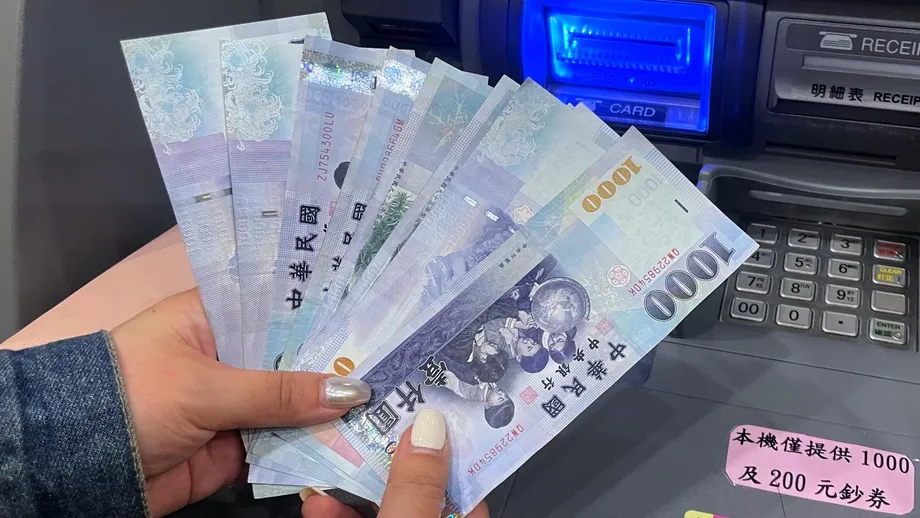
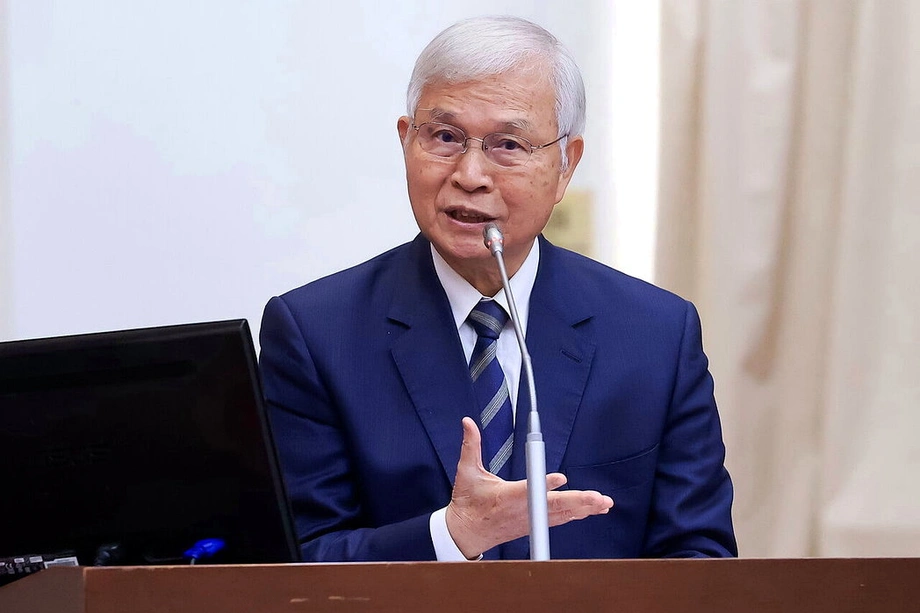
Taiwan's dollar weakened past NT$33 per US dollar during trading on November 17, 2026, reaching NT$33.015 as money leaving the stock market put fresh pressure on the currency. The move came a day after Central Bank Governor Yang Chin-long told lawmakers that the bank would use actual market intervention, rather than words alone, to curb sharp exchange rate swings.
Contents
- Currency weakens despite pledge to intervene
- How the pressure built over two sessions
- What Yang means by actual intervention
- A flexible exchange rate with limits on sharp swings
- Why stocks and the currency moved differently
- A stronger US dollar adds another source of strain
- Why different depreciation figures tell different stories
- An AI export boom meets pressure from financial flows
- Key Points
Foreign investors had sold a net NT$70.189 billion of Taiwanese shares on November 16. Demand to convert proceeds into foreign currency continued into the following session, while a stronger US dollar added to the pressure. At 10:24 a.m. on November 17, the Taiwan dollar was trading around NT$33.012, before touching the weaker level of NT$33.015.
The currency's decline contrasted with a recovery in stocks. Taiwan's benchmark share index initially fell more than 1,250 points before regaining ground and briefly turning positive. Support from the National Stabilization Fund helped the stock market recover, while the demand to move money abroad continued weighing on the Taiwan dollar.
Yang declined to identify NT$33 as a level the central bank would defend. His message was instead about limiting disruptive movements when large amounts of money enter or leave the market within a short period. For businesses and households, the immediate concern is how far the currency may weaken and whether buying goods priced in US dollars will become more expensive.
How the pressure built over two sessions
November 16 brought a steep fall in Taiwanese stocks. The benchmark index lost 2,635.04 points to close at 41,040.08, with share turnover of NT$845.056 billion. Foreign investors accounted for about 62% of the NT$114.055 billion in net selling by the three major institutional investor groups.
The currency market moved less sharply that day. The Taiwan dollar weakened to NT$32.969 per US dollar during trading, then recovered to close at NT$32.886, a depreciation of NT$0.048 from the previous close. Foreign exchange trading volume totaled US$2.332 billion.
The sequence shows how a large stock sale can continue affecting currency trading after the shares have changed hands. Foreign investors may convert their sale proceeds into dollars later, extending pressure into another session.
- November 16: Taiwan's benchmark stock index fell 2,635.04 points, while foreign investors sold a net NT$70.189 billion of shares.
- November 16: The Taiwan dollar recovered from NT$32.969 during trading to close at NT$32.886 per US dollar.
- November 17: Stocks initially fell more than 1,250 points before rebounding, while the currency weakened past NT$33.
- November 18: Taiwan index futures settlement is the next scheduled market event drawing attention to foreign investor positioning.
What Yang means by actual intervention
Yang addressed lawmakers on November 16 during scrutiny of the central bank's budgeted dividend and profit payments to the treasury. He identified foreign investors taking profits and sending dividend income abroad as important sources of selling pressure on the Taiwan dollar.
The governor said the central bank would act when capital movements became unusually large and concentrated. Describing the bank's response, Yang told lawmakers:
We don't just talk — we use live ammunition.
In this context, intervention means trading currencies to influence conditions in the foreign exchange market. To support the Taiwan dollar, the bank can sell foreign currency and buy Taiwan dollars, adding demand for the local currency when other investors are selling it.
Yang said the bank intervened at least once a week from October to early November, although not every day. That disclosure gives a sense of how regularly the authorities had been acting during the recent period of volatility. He did not provide a commitment to hold the exchange rate at NT$33.
A flexible exchange rate with limits on sharp swings
Yang also explained the central bank's willow tree theory: allowing the exchange rate to bend with market forces while stepping in when movements become too abrupt. The approach allows supply and demand to move the currency within a range the authorities consider manageable.
A flexible rate gives investors, exporters and importers room to trade at changing prices. The central bank's stated concern is the speed and concentration of transactions, particularly when many investors seek foreign currency at once.
The NT$33 threshold matters because round numbers often attract attention from traders and businesses planning currency purchases. Yang's refusal to call it a defense line leaves the bank room to respond to trading conditions rather than a publicly announced price.
The two sessions illustrate that approach in practice. The currency recovered much of its intraday decline on November 16, then weakened further on November 17 as outflow demand continued. The bank's pledge centers on moderating excessive volatility while allowing the exchange rate to adjust.
Why stocks and the currency moved differently
Taiwan's stock market regained ground on November 17 after an early selloff linked to falling US artificial intelligence shares. The National Stabilization Fund supported the rebound, and large stocks recovered enough for the benchmark index to briefly move into positive territory.
The currency market faced a different immediate task: absorbing demand for US dollars from investors sending money abroad. A recovery in share prices can happen while investors are still converting proceeds from sales made the previous day.
Veteran foreign exchange specialist Li Chi-Chan identified domestic buying as an important factor to watch. He said investment trust institutions switching from selling to buying, including purchases after sharp price falls, could help support stocks and ease pressure associated with capital outflows.
Foreign investors also held more than 90,000 short contracts in index futures, according to the market figures cited in the coverage. A short futures position generally benefits when the index falls. With settlement scheduled for Wednesday, November 18, traders were watching whether investors would close positions or carry their exposure into later contracts.
A stronger US dollar adds another source of strain
The US Dollar Index had returned to around 103.5, according to Li. The index measures the dollar against a basket of major currencies. A rising reading indicates that the US currency is strengthening against that basket.
Currency dealers also pointed to market expectations that the US Federal Reserve might raise interest rates again in December. Higher expected US rates can make dollar assets more attractive, encouraging demand for the currency. December policy expectations were a market influence, with no rate decision yet announced in the November 17 trading coverage.
The Taiwan dollar and South Korean won both fell more than 0.2% during the session, while the Japanese yen, Thai baht and Singapore dollar were relatively steady. Taiwan therefore faced both a broader dollar influence and a domestic source of pressure from foreign stock sales.
Li's assessment put foreign investor behavior at the center of the near term outlook. Further selling of Taiwanese shares followed by conversions into foreign currency would add demand for dollars, even if local buyers helped the stock index recover.
Why different depreciation figures tell different stories
Yang gave lawmakers several ways to measure the Taiwan dollar's decline. From the start of 2026 to the date of his remarks, it had weakened by more than 4% against the US dollar. Comparing average daily exchange rates this year with those last year produced a smaller depreciation of about 2.3%.
The first calculation compares two points in time. The second compares averages across two periods, smoothing out the effects of individual strong or weak trading days. Readers assessing a currency move need the measurement period as well as the percentage.
Yang said the Taiwan dollar had depreciated about 13% against the US dollar since 2020. The Japanese yen and South Korean won had weakened more over the same period, placing Taiwan's currency movement within a wider regional pattern.
The November 17 move took the Taiwan dollar to its weakest level since early April 2025, more than a year and a half earlier. For a dollar quotation such as NT$33.015, a higher number means a weaker Taiwan dollar because more local currency is needed to buy one US dollar.
An AI export boom meets pressure from financial flows
Taiwan's currency weakness comes alongside unusually strong economic growth. The economy is experiencing its longest stretch of quarterly growth at double digit rates in nearly 40 years and has the world's fourth largest current account surplus.
The current account records trade in goods and services alongside income and certain transfers across borders. A large surplus reflects substantial net earnings from those activities. Taiwan Semiconductor Manufacturing Co. and Hon Hai Precision Industry Co. generated roughly US$140 billion in combined third quarter sales, supported by demand for artificial intelligence technology.
Export earnings and investment flows can push the currency in different directions. Companies receive money from overseas customers, while foreign investors can sell shares and move their proceeds abroad. Over a short trading period, concentrated investment outflows can place heavy pressure on the exchange rate even during an export boom.
A weaker Taiwan dollar raises the local currency cost of purchases priced in US dollars. For example, a US$1 million payment costs NT$33.015 million at an exchange rate of NT$33.015, compared with NT$32.886 million at the previous day's close, a difference of NT$129,000 before fees or currency hedges.
Businesses can absorb some changes in their margins, adjust prices or use contracts that lock in exchange rates. The effect on household prices therefore depends on how long the weakness lasts and how companies manage their costs. The next immediate tests are foreign investor flows, domestic institutional buying and positioning around the November 18 futures settlement.
Key Points
- The Taiwan dollar weakened to NT$33.015 per US dollar during November 17 trading, following a close of NT$32.886 the previous day.
- Foreign investors sold a net NT$70.189 billion of Taiwanese shares on November 16, adding to subsequent demand for foreign currency.
- Governor Yang Chin-long pledged intervention against large, concentrated capital movements but declined to identify NT$33 as a defense line.
- Stocks rebounded with National Stabilization Fund support while the currency remained under pressure.
- A stronger US dollar, foreign investor flows and November 18 futures settlement are key immediate factors to watch.