A large stockpile, but little ready cash
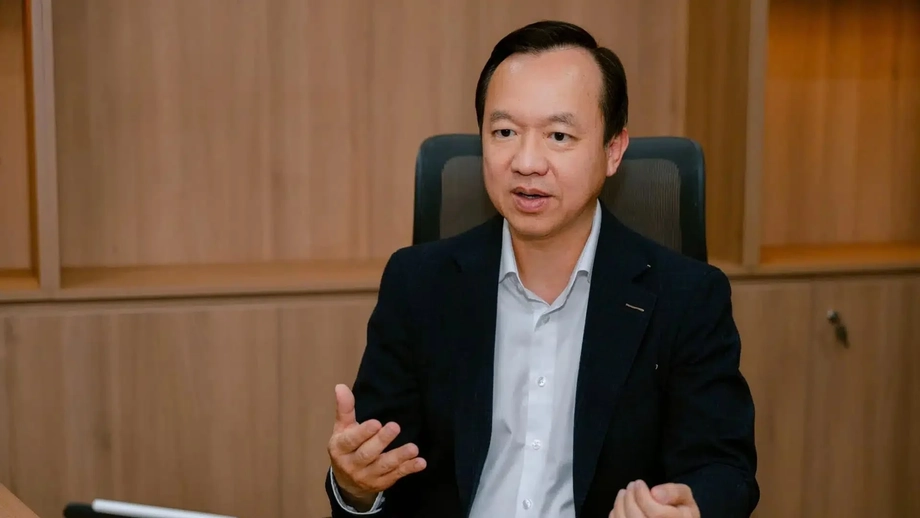
Phu Nhuan Jewelry Joint Stock Company, known as PNJ, says it can no longer fully pay customers in cash under its former 120 day schedule for buying back diamond products. In a disclosure published on November 20, chief executive Phan Quoc Cong described the company's finances as "extremely urgent": sales are not covering regular operating costs, and PNJ continues to lose money each month.
Contents
The company has about VND17 trillion in inventory, Cong said, including roughly VND7 trillion in diamonds and diamond jewelry that are selling slowly. Some goods that could potentially be sold have also been pledged as security for loans. That means the value of inventory on PNJ's books does not equal cash it can freely use to pay customers or cover bills.
PNJ is working with lenders to renew loans and seek higher credit limits. Cong said borrowing could provide support, but the company also needs to reduce its monthly losses and restore sales. The financial squeeze comes as customers seek refunds or exchanges for jewelry covered by buyback promises made over several years.
At an extraordinary shareholders meeting on October 21, chairwoman Cao Thi Ngoc Dung called the crisis the most difficult period in PNJ's 40 year history and apologized to investors for losses and a loss of confidence. The company's current challenge is to manage customer claims while keeping stores operating and making its finances understandable to potential investors.
How did customer buybacks surge?
Pressure rose sharply in July, after a case involving P-Lab, PNJ's gemstone testing subsidiary, drew attention to the company's diamond business. Former P-Lab director Dang Ngoc Thao was arrested in connection with an alleged diamond smuggling case. Police alleged that 28,000 diamonds entered Vietnam in 141 shipments. PNJ chairwoman Cao Thi Ngoc Dung said the diamonds did not enter PNJ's distribution network. The investigation and the customer response unfolded as PNJ faced growing requests to buy products back.
From July 1 to 20, PNJ bought products worth VND5.9 trillion while recording VND1.588 trillion in revenue. Cong later said July buybacks reached nearly VND6 trillion, close to the total for all of 2025. On July 21, the company changed its process to encourage exchanges rather than immediate cash payments. In the following seven days, buybacks were VND1.162 trillion, and PNJ said 95% of customers chose to exchange products for gold.
Diamond jewelry cannot always be resold as soon as a customer returns it. Cong said pieces may need appraisal, repair, polishing, stone removal or recycling before they can be sold or reused. Processing can take several months. When many customers return products at once, the company may have to pay out money before it can recover value from the goods.
PNJ's third quarter figures showed the strain. Revenue was VND6.995 trillion, down 14% from a year earlier, and gross profit fell 62% to VND609 billion. The company reported an after tax loss of VND258 billion, compared with a profit of VND496 billion in the same quarter of 2025. The reported loss did not include more than VND7.071 trillion in additional provisions PNJ expected to recognize during 2026. Provisions are amounts set aside in accounts for expected costs or losses.
What is PNJ promising customers now?
PNJ's November 21 policy gives customers different payment terms depending on the product. For SJC gold bars, gold rings, Phuc Loc Tai gold and Kim Bao gold, the company says it will pay the full amount on the day of the transaction or the next day. Several other jewelry categories also moved from a seven day wait to payment on the transaction day or the next day.
Diamond jewelry, loose diamonds and some other categories remain on a 120 day schedule. The stated installments are 10% on the transaction day or the following day, 20% on day 30, 25% on day 60, another 25% on day 90 and the final 20% on day 120. Customers can also exchange some or all of the value for eligible new products, subject to the rules for each category.
The company expanded the number of stores that accept buyback transactions to 141, up from 110 in July. Customers can make transactions during store opening hours at those locations. At stores outside the list, PNJ will accept exchanges for new products of equal or greater value for some categories, under product specific conditions.
Cong's November 20 statement points to a harder problem beyond the published schedule: he said PNJ cannot fully meet the old commitment to pay cash within 120 days with its current resources. The company is working on options that could use available products to settle some customer claims. It plans to check individual invoices, identify the amount owed and determine which goods can be offered before it announces detailed terms and timing.
PNJ has identified about VND21 trillion in previously sold goods that may fall within the scope of its exchange or buyback calculations. That is not a bill due immediately for the full amount. The actual cash needed depends on how many customers return products, what those goods are worth when recovered and what losses occur during processing. The figure may also change as PNJ finishes checking its records.
Why a full warehouse does not solve the cash shortage
The inventory figures describe different snapshots. By the end of the third quarter, diamonds and diamond jewelry were reported to make up about 52% of total inventory. Cong's later estimate put slow moving diamond goods at VND7 trillion out of VND17 trillion in inventory, or a little more than 41%. The dates and descriptions differ, so the figures should be read as separate measures rather than as a single calculation.
PNJ also has to balance customer payments against the ordinary costs of making and selling jewelry. At the October shareholders meeting, Cong said the business needed about VND100 billion to VND150 billion each month to cover operating shortfalls. The company had about VND3 trillion in bank loans and around VND125 billion due to customers and business partners under the 120 day payment system, according to figures shared at the meeting.
A plan to raise about VND8 trillion is meant to give PNJ room to handle customer exchanges and return to normal operations. The proposal approved by shareholders in October allows a private placement of up to 550 million shares to professional investors. The planned use of the money includes at least 60% for a customer conversion program, 20% for working capital and 20% to repay loans. Selling new shares can bring in cash, but it also reduces existing shareholders' percentage ownership unless they buy more shares.
Cong has said investors will want PNJ to assess its inventory, calculate its customer obligations and show that its new management controls risks better. If most new money had to be spent on old buyback promises, he said, it would be harder to persuade investors to provide it. The company is also seeking more credit from lenders, though borrowing adds interest costs.
A company wide overhaul follows the financial shock
Cong has linked the crisis partly to problems that built up as PNJ expanded. He said the company added stores, staff and layers of management during years of growth, while its systems for decision making and risk control did not keep pace. Policies promising customers attractive buyback terms helped support sales and trust, but the company did not have a complete count of possible claims or a ready plan for a sudden wave of returns.
PNJ is cutting management layers at its head office and reducing administrative functions, with the aim of moving resources toward stores, production and customer service. The company expects the changes to reduce personnel costs by about 30%, although the final savings are not yet clear because it must also pay support to employees who leave. At the end of September, PNJ had 7,123 employees and 424 stores. Its workforce was about 1,040 smaller than at the end of the second quarter.
Four senior executives left or announced departures in November. Finance director Nguyen Minh Hai left his role on November 17. Strategy director Dao Trung Kien, human resources director Nguyen Chi Kien and customer and retail director Truong Hoai Anh were due to leave their positions on November 26. PNJ also changed the head of internal audit, replacing Nguyen Anh Tuan with Diep My Tam Xuan. Cong expects more than half of the management board to change as responsibilities and decision processes are reorganized.
The company has said early adjustments made decisions faster during the two weeks before the November 20 disclosure. Cong described those steps as urgent arrangements, not a finished management model. PNJ also plans to reduce the number of underperforming stores, with an earlier plan calling for 25 to 30 closures, and to strengthen independent checks on product quality.
What customers and investors will be watching
PNJ's share price closed at VND13,500 on November 20, down about 79% from VND63,100 in early July. Market value estimates at that point ranged from VND6.9 trillion to less than VND9 trillion. The change reflects how much investor confidence has weakened as losses, customer claims and leadership changes have converged.
Customers now face different practical choices depending on what they own and where they visit: quicker cash payments for specified gold products, a longer installment schedule for diamonds and some jewelry, or an exchange for eligible goods. For customers who return diamond products, the key details still to come are how PNJ will match each invoice to its proposed solution, what products will be available and how long each case will take.
PNJ has said its next three months will focus on cutting costs, introducing new products and trying to recover sales. The company's ability to improve after the first quarter of 2027 will depend in part on consumer demand and whether it can raise capital. The central test is whether it can meet customer commitments while generating enough cash from its business to pay for day to day operations.
Key Points
- PNJ says it cannot fully meet its former 120 day cash buyback commitment for diamonds with its current financial resources.
- The company estimates about VND17 trillion in inventory, including VND7 trillion in slow moving diamonds and diamond jewelry.
- About VND21 trillion in sold goods may fall within buyback or exchange calculations, but that is not an immediate cash bill for the full amount.
- Under the November 21 policy, eligible gold products receive payment on the transaction day or the next day; diamonds remain on installments through day 120.
- PNJ plans to raise about VND8 trillion through a private share placement and expects management and personnel cuts as it restructures.