Drivers gain a higher minimum share of each fare
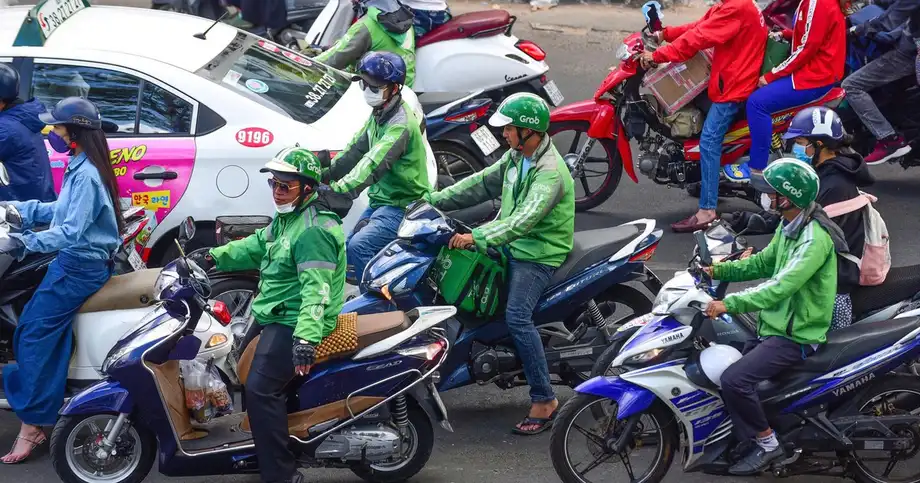
Grab will cap its combined platform and app fees in Vietnam at 32% of passenger payments from November 10, 2026, and begin reimbursing about 3.9 billion dong to drivers on November 5 after a regulatory review of fares and deductions. The ceiling replaces maximum fee shares of 40.6% for GrabBike and 39.81% for GrabCar.
Contents
- Drivers gain a higher minimum share of each fare
- What brought the pricing review?
- How the two fee limits work
- What drivers will receive
- Who will receive the reimbursements?
- Which passenger journeys become cheaper?
- Where the support budget will go
- A clearer account of every trip
- What happens next, and who will check?
- Key Points
Vietnam's National Competition Commission, under the Ministry of Industry and Trade, said Grab proposed six groups of measures after drivers complained that low or falling fares, operating costs and deductions were reducing their earnings. The changes cover passenger charges, driver fees, refunds, financial support and clearer information in the app. The commission's preliminary review announcement sets out the six groups of measures, fee calculations and implementation dates.
Drivers will retain at least 60.59% of passenger payments for GrabBike trips and 59.68% for GrabCar trips after fees and taxes, compared with a previous minimum of 52%. On a GrabCar journey costing 100,000 dong, the new minimum would leave the driver with about 59,680 dong, an increase of 7,680 dong against the old minimum.
Grab estimates the combined value of reduced fee revenue, reimbursements, driver rewards, support and passenger promotions at about 2,950.9 billion dong, or 2.951 trillion dong. Much of that package consists of planned incentives and promotions rather than refunds.
What brought the pricing review?
The commission received driver complaints between late August and mid September 2026. Drivers said fares on some journeys were low or declining while they continued to pay operating expenses and multiple charges imposed through the platform. Some drivers staged a boycott lasting two days in September.
Drivers also sought explanations of how Grab sets and changes fares, fees, discounts and deductions, and how those changes are communicated. Their concerns covered both the amounts taken and the difficulty of understanding the calculation behind an individual trip.
The commission requested documents and explanations from Grab and met driver representatives. It also gathered information from other ride booking companies in Vietnam and examined Grab's policies in several Southeast Asian countries. Its preliminary review focused on the full relationship between passenger payments, platform charges, taxes and the amount drivers actually receive.
How the two fee limits work
Grab's pricing structure includes a platform fee collected from passengers and an app use fee collected from drivers. The driver fee varies between trips. From November 10, its maximum will fall from 28.76% to 25% for GrabBike and from 28.28% to 25% for GrabCar, with the new range running from zero to 25%.
The percentage is calculated on the passenger's total payment, including the transport fare, surcharges, platform fee and tax. This calculation base matters because the fee applies to a broader amount than the transport fare alone.
A second limit covers the platform fee and app use fee together. Grab will keep those combined charges at no more than 32% of the passenger's payment, excluding taxes and amounts collected on behalf of others from the charges Grab retains. After the adjustment, Grab's own share is expected to range from 7% to 32% per journey.
The combined ceiling falls by 8.6 percentage points for GrabBike and 7.81 percentage points for GrabCar. A percentage point measures the gap between two percentages: moving from 40.6% to 32%, for example, is a reduction of 8.6 percentage points.
What drivers will receive
GrabBike drivers are expected to retain between 60.59% and 85.59% of passenger payments after fees and taxes. For GrabCar drivers, the range will be 59.68% to 84.31%. The minimum shares rise by 8.59 and 7.68 percentage points respectively from the previous floor of 52%.
A driver receiving 59,680 dong from a GrabCar fare of 100,000 dong will still have operating expenses to pay. Fuel or charging, vehicle upkeep and other costs come out of the driver's retained revenue. The new thresholds therefore give drivers a larger share of the fare before those expenses.
The 32% ceiling and the minimum driver shares describe different parts of the payment. Taxes and amounts collected for others also enter the calculation, which explains why a cap of 32% on Grab's charges leaves drivers with a minimum below 68%. Eligible drivers may receive rewards and support on top of their trip revenue.
Who will receive the reimbursements?
Grab's review identified approximately 0.13% of trips since 2024 where deductions exceeded 35% of revenue shared with drivers. That is about 13 trips in every 10,000. The company attributed the excess deductions to changes in supply and demand at certain times or algorithm errors that pushed fees above the system's settings.
An algorithm is the set of computer instructions used to calculate a result, such as a fare or a deduction. Grab's explanation places both changing market conditions and errors in that calculation process behind the affected charges.
Reimbursements totaling about 3.9 billion dong are scheduled to begin on November 5, 2026. Drivers who remain active on Grab will receive the money automatically in their driver wallets.
Drivers who have ended their contracts and permanently stopped working with Grab will be contacted by text message or email. They must provide bank account details in their own names before November 30, 2026, to receive payment. The number of affected drivers and the amounts payable to each have not been disclosed.
Which passenger journeys become cheaper?
Passengers taking eligible short journeys will pay 1,000 to 2,000 dong less in platform fees from November 10. The reductions apply to GrabBike trips of up to six kilometers and GrabCar trips of up to four kilometers.
Grab also plans a 10% reduction in total fares for qualifying journeys of at least 10 kilometers from February 26 through December 31, 2027, subject to the program's conditions. That longer journey discount begins several months after the changes to short trip platform fees.
The two measures reduce different parts of the bill. The short journey change lowers a platform charge by a fixed amount, while the planned longer journey program reduces the total fare by a percentage. Grab also plans about 1.808 trillion dong in passenger promotions during the fourth quarter of 2026.
Where the support budget will go
Grab plans about 860 billion dong for driver rewards and support in the fourth quarter of 2026. The programs include rewards for revenue earned during peak hours, meal support, free uniforms and assistance for drivers facing difficult circumstances.
A further 52 billion dong is planned for fuel and electric vehicle charging support. Those two driver allocations total 912 billion dong: 860 billion dong for rewards and other assistance, plus 52 billion dong for energy costs.
Passenger promotions of 1.808 trillion dong are almost twice that combined driver allocation. Together, passenger promotions and the two driver support budgets amount to 2.720 trillion dong, about 92% of the announced package of 2.9509 trillion dong. The full estimate also includes reimbursements and revenue Grab expects to forgo through fee reductions.
The spending plans combine an ongoing change to the division of fares with programs scheduled for a particular quarter or promotional period. Drivers receive a higher minimum share under the fee policy, while rewards and other assistance depend on the conditions of each program.
A clearer account of every trip
Grab plans to update the Grab Driver app from November 10 so drivers can see trip revenue, fees, taxes, deductions and the amount they receive more clearly. It also plans more ways for drivers to contact the company and a form for checking and disputing deductions.
A driver reviewing a journey should be able to follow how the passenger's payment becomes the driver's earnings, with the intervening charges displayed. That directly addresses the complaints seeking explanations of how fees change between trips.
The commission has asked Grab to communicate the adjustments fully and keep the policies applied in practice consistent with information shown in its app and on its website. It also wants timely answers to requests from drivers and passengers to check charges. Grab Vietnam has said it will implement the measures and notify users and driver partners.
What happens next, and who will check?
The changes follow several months of complaints and review, with different starting dates for reimbursements, fee cuts and promotions. The main dates are:
- Late August to mid September 2026: The commission received driver complaints about fares, deductions and earnings.
- September 2026: Some drivers staged a boycott lasting two days.
- November 5, 2026: Driver reimbursements are scheduled to begin.
- November 10, 2026: The new fee limits, eligible short trip fee reductions and clearer driver app displays are due to start.
- Before November 30, 2026: Drivers who permanently left Grab must provide bank details to receive reimbursements.
- February 26 to December 31, 2027: The planned 10% fare reduction applies to qualifying trips of at least 10 kilometers.
The National Competition Commission will monitor implementation and require regular reports from Grab. It will review pricing, deductions, drivers' retained revenue and the information given to customers, and consider action if it identifies signs of violations of competition or consumer protection law.
The commission has also examined consumer protection compliance at Grab, Be and GSM. In its account of those inspections, it reported shortcomings in the disclosure of prices, fees and additional payments, including charges that were not displayed separately and paid services selected by default, such as trip insurance and carbon-neutrality contributions. Platforms were asked to make extra costs clearer and allow passengers to choose whether to buy trip insurance or make contributions toward carbon neutrality before confirming a transaction.
The regulator said subsequent monitoring showed that platforms had made basic adjustments to display additional charges more clearly and allow consumers to select or deselect paid services. It said it would continue monitoring those disclosures and consumer choices. For passengers, those changes affect the bill they agree to pay. For drivers, the central change is a lower ceiling on Grab's share, backed by a more detailed record of how each fare is divided.
Key Points
- Grab will cap combined platform and app fees at 32% of passenger payments from November 10, 2026.
- The maximum app use fee charged to drivers will fall to 25% for both GrabBike and GrabCar.
- Minimum driver shares after fees and taxes will rise to 60.59% for GrabBike and 59.68% for GrabCar.
- About 3.9 billion dong in reimbursements will begin on November 5 for trips with excess deductions.
- Eligible short trips will receive platform fee reductions of 1,000 to 2,000 dong.
- The package totals about 2.951 trillion dong, including fee reductions, refunds, driver support and passenger promotions.
- Vietnam's competition regulator will require regular reports and monitor implementation.