Manufacturers warn of costs as Washington weighs penalties
Tesla and Samsung are urging Washington to hold back from imposing additional tariffs on Vietnamese goods as a November 29 deadline approaches for completing a US investigation into intellectual property protection. Their objections put two major manufacturers on the opposite side of American steel, seafood, solar and wood industry groups seeking tougher trade measures.
Contents
- Manufacturers warn of costs as Washington weighs penalties
- What the intellectual property investigation covers
- Why Tesla says American factories still need imports
- Samsung and retailers point to established factories
- Which industries want stronger action?
- Software and film groups identify enforcement gaps
- A 12.5% tariff is already in place
- Rising exports increase the stakes
- Key Points
The investigation, opened on May 29, 2026, under Section 301 of the Trade Act, concerns Vietnam's protection and enforcement of intellectual property rights. The United States already applies a general tariff of 12.5% to Vietnamese goods following a separate investigation related to forced labour.
Tesla says some advanced components and precision manufacturing equipment remain unavailable from domestic suppliers despite substantial investment in American production. Samsung's US unit points to Vietnam's role in producing smartphones and network equipment for American customers. The South Korean company has invested approximately $25 billion in Vietnam, making it the country's largest foreign investor.
The dispute reaches beyond electronics. Footwear, clothing, bicycle and video game console businesses also depend on Vietnamese factories, while copyright owners want stronger action against unlicensed software and websites distributing films and television programmes without permission.
Washington therefore faces competing requests from businesses with different interests: manufacturers seeking access to imported components, domestic producers seeking protection from alleged unfair competition, and copyright holders seeking better enforcement. A single tariff decision could affect each group differently.
What the intellectual property investigation covers
The US Trade Representative placed Vietnam in its priority foreign country category, the most serious classification on Washington's intellectual property watchlist. Vietnam is the first jurisdiction in 13 years to receive that designation.
Intellectual property, often shortened to IP, refers to legal rights over creations such as software, films, music, inventions and brands. Protection gives their owners a way to control certain uses and receive payment. Enforcement means putting those rights into practice, including action against unauthorised copying or distribution.
Washington accuses Vietnam of persistently failing to resolve longstanding concerns about those protections. Section 301 gives the United States a process for investigating foreign trade practices and considering responses, including tariffs or other trade measures.
November 29 is the deadline to conclude the investigation. The scope of any additional duties, including whether they would cover Vietnamese imports broadly or selected sectors, has not been announced. That choice matters for companies trying to estimate which products and production costs could be affected.
Why Tesla says American factories still need imports
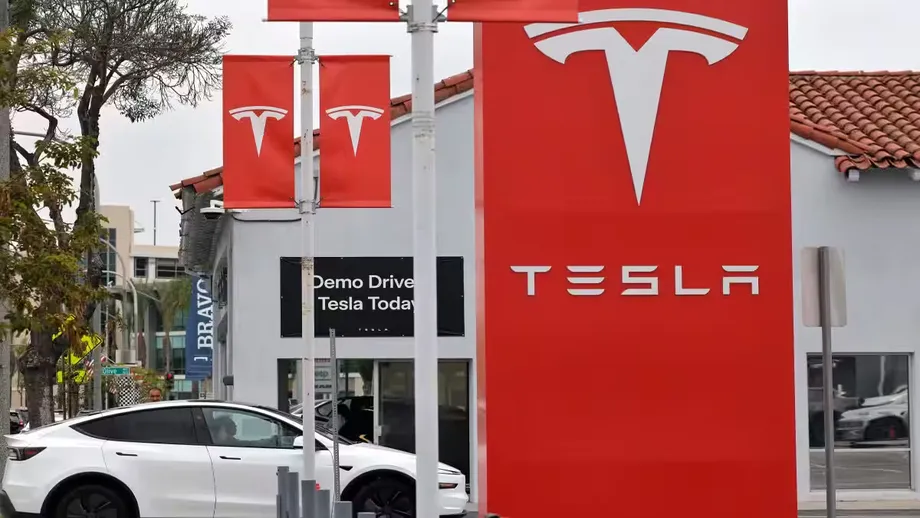
Tesla's submission, dated July 2, focuses on the needs of manufacturers operating in the United States. The electric vehicle maker argues that investment in domestic production has not removed the need to buy certain specialised items overseas.
Tesla asked the US Trade Representative to consider that dependence when deciding whether to impose additional duties. The company urged the agency to:
take into account the supply chain needs of American manufacturers
Some advanced components and precision manufacturing equipment cannot be sourced domestically, Tesla said. Precision equipment is machinery designed to make or measure parts to very exact specifications. A factory may need a particular machine or component rather than a broadly similar substitute.
A tariff is a tax on imported goods, generally paid to the government by the importer. When an American manufacturer imports equipment or parts, an additional duty can increase the cost of producing goods in the United States. The business then has to decide how much of that cost to absorb, negotiate with suppliers or pass to customers.
Tesla's argument connects the tariff debate directly to American factory operations: a measure intended to pressure a foreign trading partner can also raise costs for domestic businesses that rely on that partner's production.
Samsung and retailers point to established factories
Samsung's US unit makes a similar case through the scale of its manufacturing in Vietnam. The country produces a substantial share of the company's smartphones and network equipment destined for the American market.
Samsung's approximately $25 billion investment helps explain why Vietnam is central to its response. Its objection concerns an established production base serving US customers, rather than a location the company is merely considering for future manufacturing.
Retail groups and trade associations representing footwear, apparel and other consumer goods businesses have also opposed additional tariffs. Their members include manufacturers of bicycles and video game consoles with extensive operations in Vietnam.
These businesses face a practical purchasing problem. If duties rise, they must reassess the cost of goods already sourced from Vietnamese factories. Moving orders elsewhere can require finding suppliers able to deliver the right product, quality and volume, while continuing to supply customers.
The common concern across electronics, clothing and consumer goods is therefore the cost of disrupting existing production arrangements. The products differ, but the companies are asking Washington to account for how closely American sales and manufacturing are connected to Vietnamese supply.
Which industries want stronger action?
US industry groups representing steel, seafood, plywood, solar panels and wood products have taken the opposite position. They accuse Vietnam of unfair trade practices and are urging Washington to impose new tariffs.
Those groups view trade penalties as a response to conditions they say disadvantage American producers. Their requests show why the debate cannot be reduced to US companies on one side and Vietnamese exporters on the other. American businesses disagree over which policy would best protect their operations.
A producer competing with imports may welcome duties that make those imports more expensive. A manufacturer or retailer buying goods from Vietnam may face higher costs from the same policy. Washington must weigh those competing interests when deciding what action to take.
Software, film and music industry groups are pressing another demand: concrete commitments from Vietnam to combat piracy. Their focus is enforcement of intellectual property rights, including action against unauthorised software and entertainment distribution.
That gives the investigation several distinct objectives. Some businesses want tariffs, others want to avoid them, and copyright owners want changes in how Vietnam protects and polices their work. The final response will determine how Washington addresses those requests.
Software and film groups identify enforcement gaps
The Business Software Alliance, whose members include Microsoft, Oracle and IBM, cited a 2017 survey estimating that about three quarters of software installed on personal computers in Vietnam was unlicensed. The date matters: the figure describes the survey period, rather than a fresh measurement for 2026.
The alliance criticised enforcement despite repeated Vietnamese commitments to address the problem. For software businesses, the commercial concern is that use without a valid licence can leave developers unpaid for products that customers would otherwise purchase.
The Motion Picture Association described Vietnam as a major hub for online piracy. It said websites distributing unauthorised film and television content attracted more than 12.5 billion visits worldwide in 2025. The figure counts visits across the world, including repeated visits, rather than individual viewers in Vietnam.
The association called for stronger enforcement and improved market access for legitimate streaming services. Its request joins two commercial concerns: stopping unauthorised distribution and making it easier for licensed services to reach paying audiences.
Those demands point toward changes within Vietnam's digital market. Tariffs would affect the price of goods entering the United States, while enforcement measures would address how software and entertainment are used or distributed in Vietnam.
A 12.5% tariff is already in place
Vietnamese goods currently face a general US tariff of 12.5%, introduced in July after an investigation into alleged failures to prevent imports of products made using forced labour. The intellectual property case adds another possible source of duties for businesses already operating with that levy.
Vietnam previously faced a 20% tariff under President Donald Trump's Liberation Day trade measures, which the US Supreme Court struck down. The current 12.5% rate is 7.5 percentage points below that earlier rate.
For a simple illustration, a 12.5% tariff on goods with a customs value of $100 produces a $12.50 duty. At 20%, the duty would be $20. The example shows why even a change of a few percentage points can matter when a business imports large volumes.
A separate US investigation into alleged excess capacity is also underway. Excess capacity means production capability beyond what a market can readily absorb, a concern that can lead to disputes over export volumes and prices. Vietnam has urged Washington to conduct its investigations objectively.
The key dates in the tariff dispute are:
- May 29, 2026: The United States opened the Section 301 investigation into Vietnam's intellectual property practices.
- July 2, 2026: Tesla submitted comments describing American manufacturers' reliance on specialised imports.
- July 2026: The general 12.5% tariff followed the separate investigation related to forced labour.
- November 29, 2026: Washington's deadline to conclude the intellectual property investigation.
Rising exports increase the stakes
Vietnam's exports to the United States rose 42% in the first eight months of 2026 compared with the same period in 2025. Put simply, for every $100 exported during that earlier period, the corresponding value this year was $142.
Vietnam also moved from having the fourth largest goods trade surplus with the United States at the end of 2025 to the largest, ahead of China and Mexico. A Vietnamese surplus means Vietnam sells more goods to the United States than it buys from it. From Washington's perspective, that balance is a goods trade deficit.
The export growth increases the amount of trade exposed to US decisions. Vietnamese factories depend on American orders, while companies importing those goods must plan around duties and the possibility of further changes.
The scope of Washington's action will shape who bears the immediate costs. Broad duties would reach across more product categories. Duties aimed at selected sectors would concentrate the effects on the goods named in the decision.
Tesla and Samsung are asking Washington to account for existing supply needs before acting. Domestic producer groups want stronger protection, while copyright owners seek firmer enforcement commitments. The November 29 conclusion is the next scheduled step in resolving those competing demands.
Key Points
- The US intellectual property investigation into Vietnam is due to conclude on November 29, 2026.
- Tesla and Samsung oppose additional tariffs, citing reliance on Vietnamese production and specialised imports.
- Vietnamese goods already face a general US tariff of 12.5% following a separate investigation related to forced labour.
- Steel, seafood, plywood, solar and wood industry groups support new duties over alleged unfair practices.
- Software and entertainment groups want stronger action against unlicensed software and online piracy.
- Vietnam's exports to the United States increased 42% during the first eight months of 2026 compared with the same period in 2025.