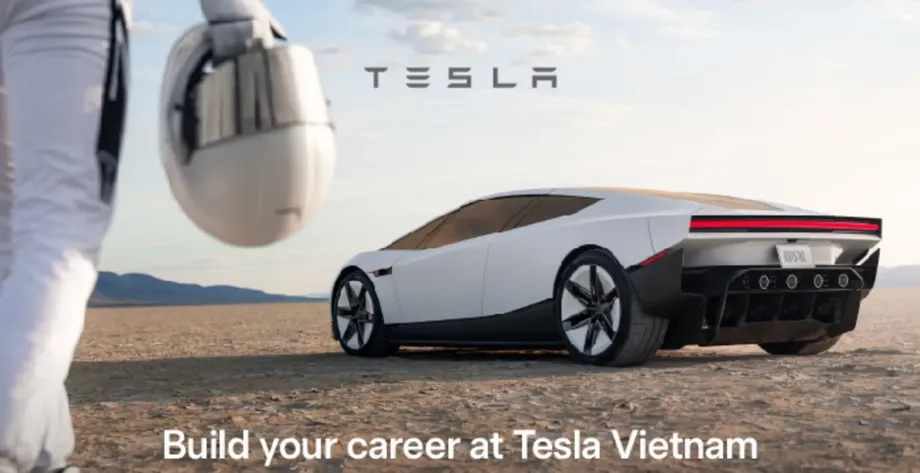
Five jobs mark Tesla's next move into Vietnam
Tesla has opened five full time positions in Vietnam after registering a subsidiary with 77.667 billion dong, about $3 million, in charter capital. The recruitment push, announced on October 28, 2026, puts sales, servicing and charging infrastructure at the centre of its preparations to enter a market where VinFast already sells more cars than its next five competitors combined.
Contents
- Five jobs mark Tesla's next move into Vietnam
- What the new company will do
- Sales and service teams come first
- Charging requires more than installing equipment
- VinFast's lead stretches across the car market
- Small cars and passenger fleets drive demand
- Imports and incentives will shape the price
- A regional pattern, without a Vietnam sales date
- The contest will be about daily ownership
- Key Points
Tesla Motors Vietnam LLC was registered in Ho Chi Minh City on September 11. Its registered activities cover vehicle imports, wholesale and retail sales, parts distribution and related trade. The vacancies now add people and operational responsibilities to that legal presence.
Ricky Ip, Tesla's recruiting manager for Asia Pacific, described the move in a public recruitment announcement:
Tesla is officially coming to Vietnam
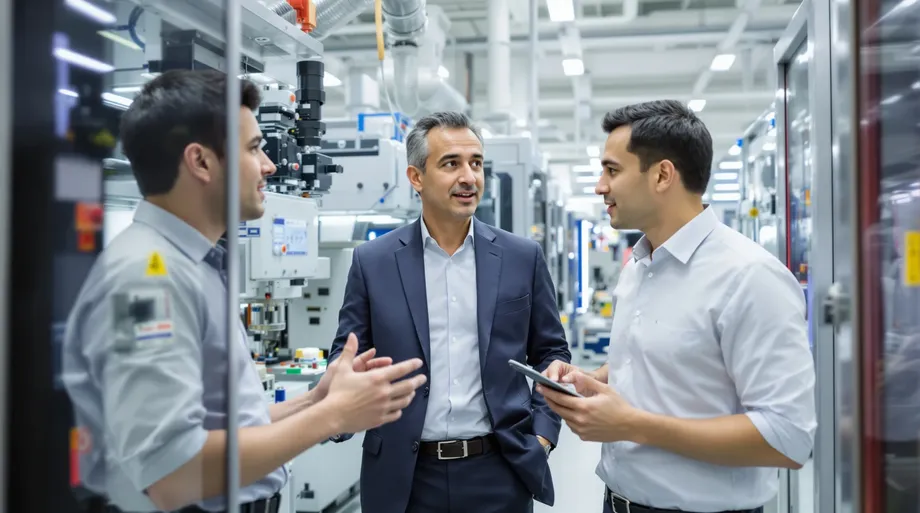
The five openings are Sales Manager, Service Manager, HR Business Partner, Purchasing Manager and Project Developer for Charging. Together, they cover the basic work of selling a car, handing it to a customer, keeping it running and helping its owner find electricity.
VinFast enters this contest from a position of unusual strength. The Vietnamese manufacturer delivered 177,697 electric cars domestically during the first nine months of 2026, about 36% of a national market of 495,138 vehicles that includes gasoline cars.
Tesla has not announced a sales launch date, models, prices or locations for showrooms, service centres and charging stations. Its Country Manager for Vietnam has also not been publicly named. For prospective buyers, the immediate development is a business taking shape, with the details needed to order and own a car still to follow.
What the new company will do
Tesla's Vietnamese subsidiary is headquartered at Me Linh Point Tower, 2 Ngo Duc Ke, in Ho Chi Minh City's Saigon ward. David Jon Feinstein is registered as chairman, Isabel Ching Fan as general director, and Nguyen Manh Hung is another legal representative.
The company's business registration includes cars, parts, machinery and equipment, along with import, export and distribution activities. Charter capital is the amount committed to the company by its owners. Tesla has registered approximately $3 million under that heading; its total spending on the Vietnam operation has not been announced.
No manufacturing or assembly operation has been announced. The first recruitment round instead concentrates on customer operations, administration, purchasing and charging sites, making the establishment of a sales and support business the immediate priority.
Sales and service teams come first
The Sales Manager will report to a Country Manager and oversee sales performance, deliveries, and teams at retail and delivery locations. Understanding Vietnam's sales and vehicle registration procedures is part of the role, connecting the showroom operation to the paperwork customers need before driving away.
The Service Manager will build a team and run daily service operations, including service quality, productivity, costs and margins. Tesla is seeking leadership experience in a busy service business and English fluency, while automotive industry experience is not compulsory.
The Sales Manager, Purchasing Manager and HR Business Partner positions require at least five years of comparable experience. The purchasing role belongs to Tesla's Asia Pacific indirect purchasing team and requires travel for 20% of working time. The HR position also includes office and facilities management.
The careers listings identify Vietnam without naming a city for the jobs. Some privately imported Teslas already operate in the country, with owners facing gaps in official warranty, repair and parts support. A local service operation would give future customers a clearer route to maintenance, although arrangements for existing privately imported vehicles have not been described.
Charging requires more than installing equipment
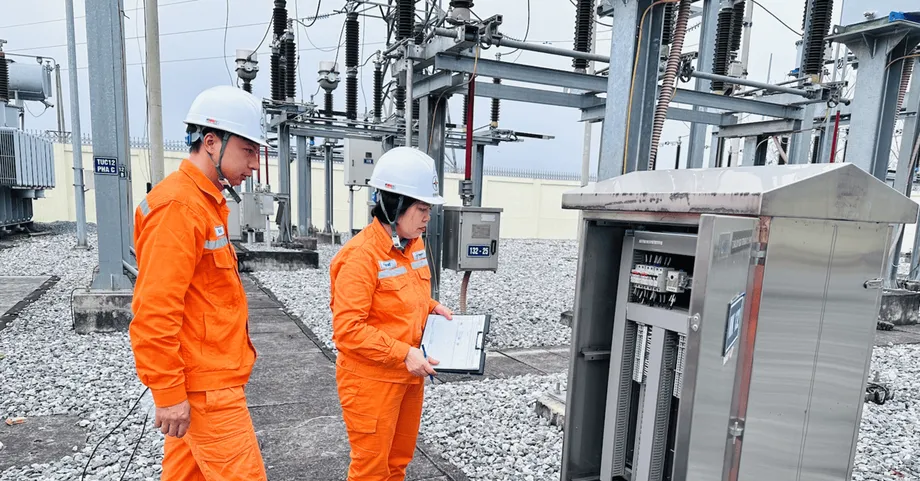
Tesla's charging developer will identify suitable locations, assess their feasibility, negotiate with property owners and coordinate electricity connections and permits. The requirements include the ability to manage more than 20 projects at different stages, with experience in property, electricity planning, charging infrastructure and approvals preferred.
That workload describes the many steps between choosing a location and opening a working charger. A site needs enough electrical capacity, permission to connect equipment, an agreement with its owner and regulatory approval before construction can proceed.
The position points toward preparations for Tesla charging infrastructure, potentially including Superchargers. A count of stations or a construction schedule has not been announced.
V-Green, VinFast's sister company, already operates more than 150,000 charging ports nationwide, serving VinFast vehicles. A port is an individual charging connection; several ports can sit within one station. The company has also announced plans to spend about $380 million on 99 stations with ultra fast charging.
Independent operators including EV One and Charge+ offer alternatives, with CCS2 connectors at some locations. CCS2 is a charging connection standard used by many electric cars. Whether a future Vietnam Tesla can use a particular charger will depend on its official configuration and the network's access arrangements.
For a household choosing a car, access to a dependable charger near home or work may matter as much as driving range. Tesla's hiring shows that securing locations and electricity connections is part of the entry plan, alongside finding places to sell vehicles.
VinFast's lead stretches across the car market
VinFast's 177,697 deliveries through September compare with 53,978 for Toyota, 35,412 for Hyundai, 31,932 for Mitsubishi, 30,353 for Ford and 23,461 for Kia. Those five rivals together sold 175,136 vehicles, leaving VinFast ahead by 2,561.
VinFast also passed its entire 2025 domestic volume of 175,099 vehicles with three months of 2026 remaining. Its nine month total was already 2,598 vehicles above that annual result. The company said September was its 25th consecutive month as Vietnam's leading car brand.
September deliveries reached 23,624, up 17% from August's 20,161. VinFast held 37.7% of the total car market in September, compared with approximately 42% in August, when national sales were 48,484. Its deliveries therefore increased even as its share of that month's market became smaller.
Vietnam's electric car market was already expanding rapidly before Tesla's recruitment announcement. The International Energy Agency's Global EV Outlook 2026 says electric car sales more than doubled in 2025 and approached 40% of new car sales, making Vietnam Southeast Asia's largest electric car market.
Those figures measure different things: the IEA figure covers all electric cars in 2025, while VinFast's approximately 36% share covers one manufacturer's sales across the entire car market during the first nine months of 2026. Tesla would be entering a country with substantial electric vehicle adoption and a dominant domestic supplier.
Small cars and passenger fleets drive demand
The compact, two door VF 3 is Vietnam's bestselling vehicle so far in 2026. It launched at less than $13,000 and recorded 42,272 deliveries through September, including 6,474 that month. Its size and price put it close to the everyday needs of urban buyers.
The Limo Green, a vehicle with seven seats used by transport operators and families, followed with 40,018 deliveries through September and 5,027 in September alone. Combined, the VF 3 and Limo Green accounted for 82,290 vehicles, about 46% of VinFast's domestic deliveries during the nine months.
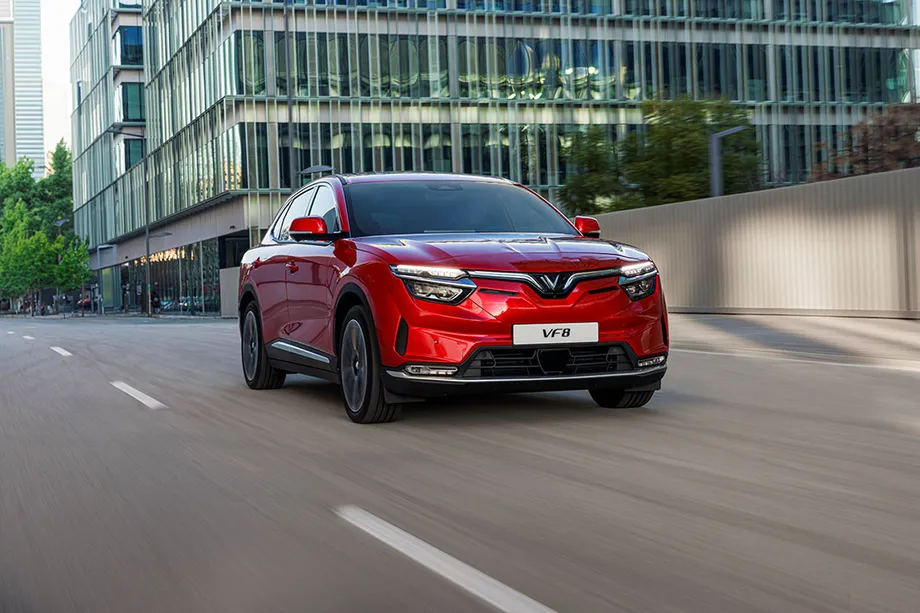
Other September deliveries included 3,083 VF 6 vehicles, 2,472 VF 5 and Herio Green vehicles, and 2,433 VF 2 and Minio Green vehicles. The larger VF 8 and VF 7 recorded 1,494 and 1,092 deliveries respectively. VinFast models occupied the five leading positions in Vietnam's September vehicle sales rankings.
Fleet demand is another part of the business. A substantial share of VinFast deliveries goes to GSM, the company behind the Xanh SM electric taxi and ride service, founded by VinFast chairman Pham Nhat Vuong. An exact share for those fleet deliveries was not given.
The connection between car sales and passenger services was already visible during VinFast's urban expansion in July 2025, when the company had delivered 67,569 vehicles in the first half and held about 30% of the market. Taxis put electric cars into daily use and introduce passengers to them even when those passengers do not own a vehicle.
Imports and incentives will shape the price
VinFast manufactures vehicles in Haiphong. Tesla is expected to supply Vietnam through imports, potentially from its Shanghai factory, although the sourcing arrangement has not been announced. Vietnam has kept passenger cars on its high tariff list under the ASEAN-China free trade agreement, making the eventual import treatment an important part of pricing.
Vietnam's incentives provide some common ground for domestic and imported battery electric cars. The exemption from the initial vehicle registration fee has been extended through the end of 2030, including for imported vehicles. That reduces an expense buyers face when putting a new car on the road.
The National Assembly also voted on April 24 to retain the 3% special consumption tax for electric cars with fewer than nine seats through 2030. The rate is scheduled to rise to 11% from 2031. Special consumption tax is a tax applied to selected goods and forms part of the cost of bringing a vehicle to market.
VinFast has paired those national incentives with its own promotions. September discounts reached 9% on selected vehicles, and owners were offered free public charging through V-Green until February 10, 2029. Buyers comparing brands will therefore face a calculation involving purchase price, taxes, charging costs and convenient access to service.
A regional pattern, without a Vietnam sales date
Tesla has previously moved from recruitment to sales within months in Southeast Asia. In Thailand, hiring began in September 2022 and vehicle orders opened that December. Malaysia operations followed in July 2023.
Vietnam's own sequence now includes a registered company and a public recruitment push. The key dates show how quickly the preparations have developed:
- September 2022: Tesla began hiring in Thailand, before opening orders in December.
- July 2023: Tesla began operations in Malaysia.
- September 11, 2026: Tesla Motors Vietnam LLC was registered in Ho Chi Minh City.
- September 2026: VinFast delivered 23,624 cars domestically, taking its total for the year to 177,697.
- October 28, 2026: Ricky Ip announced Tesla's five Vietnam vacancies.
- February 10, 2029: VinFast's stated free public charging promotion is scheduled to end.
- End of 2030: Vietnam's extended registration fee exemption and 3% special consumption tax period are scheduled to end.
Tesla's Vietnam recruitment arrived a little under seven weeks after the company registration. Thailand's experience gives a practical example of how a launch can follow hiring, while Vietnam's rollout will require its own staff, premises, vehicle supply and charging arrangements.
The contest will be about daily ownership
Tesla is preparing to enter a market where electric cars are already a familiar purchase. Its challenge is to build a complete ownership experience alongside a rival with local production, inexpensive small cars, strong fleet demand and an extensive charging network.
VinFast's advantages connect several parts of the customer's decision. Its VF 3 attracts buyers with a low starting price, its larger vehicles serve families and transport businesses, and V-Green charging reduces the practical difficulty of keeping those cars moving.
Tesla's five vacancies address the same daily concerns from the other side: where customers buy, who delivers the car, who fixes it and where it charges. The first concrete measure of its Vietnam entry will be how those preparations turn into accessible services and a priced vehicle lineup.
Key Points
- Tesla announced five full time Vietnam vacancies on October 28, 2026, covering sales, service, HR, purchasing and charging development.
- Tesla Motors Vietnam was registered on September 11 with 77.667 billion dong in charter capital.
- No vehicle sales date, model lineup, prices or showroom locations have been announced.
- VinFast delivered 177,697 cars in Vietnam through September, about 36% of the entire new car market and more than its next five rivals combined.
- V-Green's network has more than 150,000 charging ports serving VinFast vehicles; Tesla is recruiting someone to develop charging sites.
- Vietnam's initial registration fee exemption for battery electric cars, including imports, runs through the end of 2030.