A record breaking week puts Taiwan markets under pressure
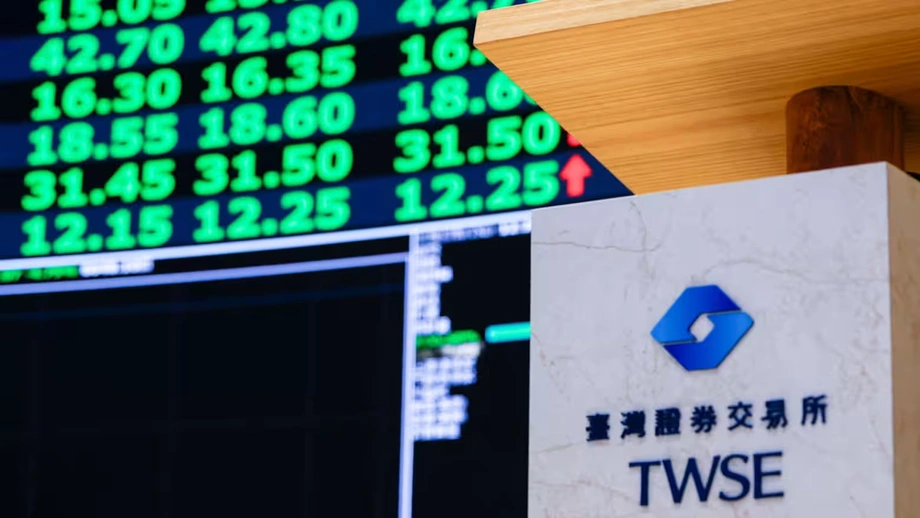
Taiwan's benchmark stock index fell 2,393.6 points on Nov. 20, closing at 36,033.29, down 6.23% for the day. It was the index's third largest one day point loss on record and left it near a seven month low. Across five trading sessions, the market shed 7,641.83 points, or 17.5%.
Contents
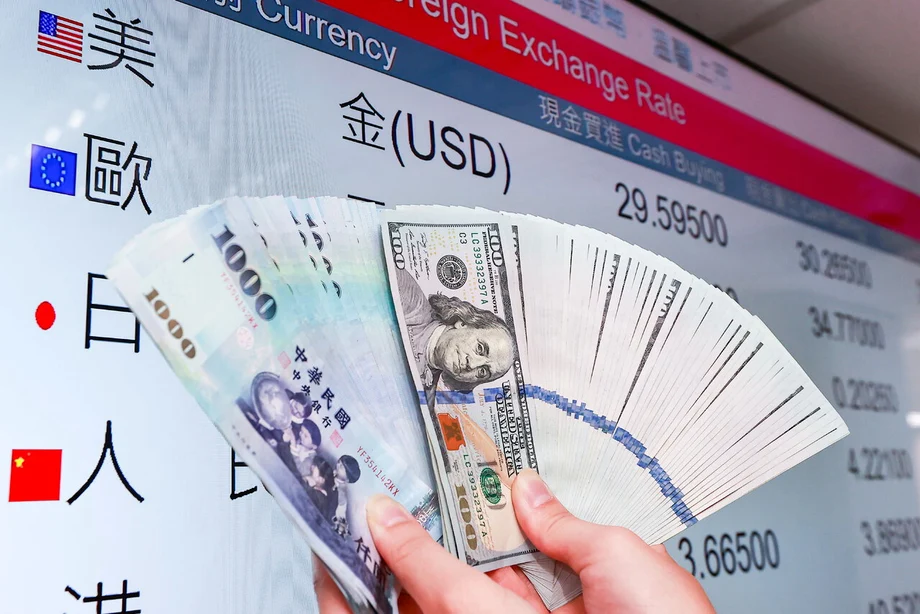
The sell off was broad. More than 1,000 listed stocks declined, while only 16 advanced. All eight major stock categories ended lower. Plastics and chemicals fell 8.42%, machinery and electrical equipment dropped 6.29%, and financial shares lost 5.82%. Trading turnover reached NT$877.35 billion, about US$26.6 billion, as investors rushed to sell.
Premier Cho Jung-tai called financial and economic officials together after the Nov. 20 close, then convened them again at 10 a.m. on Nov. 21. They discussed recent market performance, international financial conditions and possible responses. Executive Yuan spokeswoman Li Hui-chih said the meetings were for officials to review conditions and decide how to respond, while reports of an emergency meeting specifically to settle further support measures were speculation.
The week's losses came after a sharp fall on Nov. 16, which had been the index's second largest one day closing point loss. The slide from a peak near 48,000 points has now erased roughly 12,000 points. The steep losses also arrived as markets in the United States and across Asia weakened amid doubts about the outlook for artificial intelligence related shares.
What did the government already do?
Taiwan had begun intervening before the latest plunge. On Nov. 6, the National Stabilization Fund started its tenth market support operation. The same day, the Financial Supervisory Commission announced five measures to limit short selling, a way traders can try to profit when a share price falls.
The first measures reduced the amount of intraday securities lending sell orders, raised the margin required for short sales, widened the types of collateral allowed when investors need to meet a margin shortfall, and encouraged listed companies to consider buying back their own shares. A company buyback means the company purchases some of its shares, adding a potential buyer to the market.
On Nov. 19, the commission tightened the rules again. If a stock falls at least 3.5% in a day, traders cannot short it the following day at a price below the previous session's close. The daily limit on intraday securities lending sell orders was also cut from 3% to 1% of that stock's average daily trading volume over the prior 30 business days.
These rules target short selling, not every reason people sell shares. Financial industry figures said much of the pressure came from foreign investors, large shareholders and traders selling shares they already owned. Restrictions on short selling cannot directly prevent those cash sales. They also pointed to selling by actively managed exchange traded funds, which hold baskets of assets but can change what they own.
Why were officials discussing a larger stabilization fund?
Officials discussed a proposed amendment to the National Stabilization Fund Management Act that could raise the fund's authorized size from NT$500 billion, about US$15.2 billion, to NT$1 trillion, about US$30.3 billion. A larger authorized limit could give the fund room to buy more shares during a market crisis, but changing the law requires approval by the Legislative Yuan.
The amendment would therefore not instantly add new buying power. Officials hoped the legislature's Finance Committee would schedule it for review promptly, but no review date or vote was given. Officials also discussed further limits on short selling shares that are falling and possible changes to how investors' required margin is calculated.
There was no confirmation that a third round of support measures had been approved. Li said the Nov. 21 gathering was intended to monitor international developments and determine an appropriate response. That distinction matters for investors: a meeting to consider options is not the same as a new rule or a fund purchase already in motion.
How much did technology shares contribute?
The biggest companies helped pull the index lower. Taiwan Semiconductor Manufacturing Co., or TSMC, fell 4.76% in Taipei to NT$2,000, while Hon Hai Precision Industry, also known as Foxconn, dropped 4.76% to NT$210. MediaTek and Delta Electronics each fell by the maximum 10% allowed for a stock in one session.
Losses also reached beyond technology. The declines across all eight major categories and the fall in more than 90% of listed shares show how widely the selling spread. Even so, Taiwan's reliance on chipmakers and other technology companies makes it especially sensitive when investors rethink the prospects for artificial intelligence and the companies supplying its computing infrastructure.
For the week, TSMC shares in Taipei fell 14.9%. Its U.S. listed American depositary receipts, which represent shares in the company and trade in the United States, dropped 20.07%, narrowing their premium over the Taipei listed shares to about 5%. In the Nov. 20 U.S. session, TSMC's shares last traded at US$321.61, down 8.66% from the previous official close. That figure was the last reported trade, not necessarily the exchange's official closing price.
Why did Taiwan fall more than other markets?
A month long comparison compiled by U.S. based professor Lin Huan-qiang put Taiwan's market decline at 22.03%. In the same period, the Dow Jones Industrial Average fell 6.72%, the Nasdaq Composite lost 10.69%, Japan's Nikkei 225 declined 11.05%, South Korea's market fell 11.57%, Hong Kong's Hang Seng Index dropped 6.41%, and Shanghai's market lost 4.11%.
Lin described Taiwan as a "high-beta economy." In plain language, that means its market tends to move more sharply than other markets when investors' expectations shift. Taiwan's success in semiconductors gives the island a powerful growth engine when chip demand is strong, while also concentrating risk when investors lose confidence in the sector.
Lin said the global pullback reflects differing expectations about artificial intelligence and international investors adjusting their AI related holdings. Taiwan's semiconductor supply chain is closely connected to demand for AI computing, so changes in investors' views can quickly affect its shares. He argued that short term market rules and policy statements cannot by themselves address the longer term risk of relying heavily on one industry.
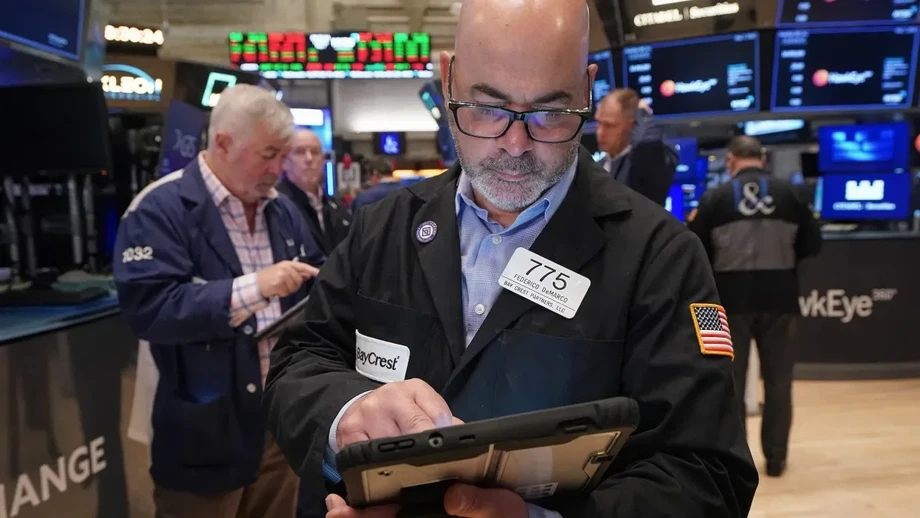
U.S. market movements provided another sign of the strain. At the opening on Nov. 20, the Nasdaq was down 1.45% and the Philadelphia Semiconductor Index had fallen 3.86%, while the Dow was slightly higher. By the end of the U.S. trading session, the Dow, S&P 500, Nasdaq and Philadelphia Semiconductor Index had all declined, with the semiconductor index down more than 10%. A market strategist, Chris Gula, described investors as trying to understand "what the post-Jensen Huang era will look like." His comment reflected uncertainty about AI shares and the industry's outlook.
Could the losses affect household decisions?
The market decline has prompted online debate about whether money might leave stocks and move into housing. Some commenters said losses had wiped out savings intended for home down payments; others argued that housing is less easy to sell and might also weaken when investors have less money available. Those comments show the anxiety around household finances, but they do not measure how much money has actually moved between the two markets.
One investor discussed borrowing against a fully paid home to buy exchange traded funds or large company shares during the downturn. A commenter described a property loan with a 2.38% interest rate and a three year period before principal repayments began, saying rental income covered the interest. Other commenters warned that investing borrowed money can leave a household facing both falling share prices and a debt secured against its home.
The risk is straightforward: a loan still has to be repaid if the investment falls. Borrowing can magnify gains when prices rise, but it can also deepen losses and put the borrower's property or future cash flow under pressure. The online discussion does not establish how widespread this strategy is, but it illustrates why a market shock can reach beyond brokerage accounts.
What to watch next
The next sessions were expected to be shaped partly by overseas markets. The four major U.S. indexes fell on Nov. 20, and market participants expected that weakness to influence Taiwan's next opening. One local investment firm executive said the index could test its lows again on the following Monday or Tuesday, while heavier trading and a change in who holds shares might also create conditions for a rebound. That was a market view, not a government forecast.
For officials, the immediate task is to monitor international developments while deciding whether existing limits and the stabilization fund are enough. The deeper issue is whether buyers return as foreign investors and other holders sell. Short selling restrictions can change one part of trading, but they cannot directly stop existing shareholders from selling their shares.
- On Nov. 20, Taiwan's index fell 6.23% to 36,033.29, its third largest one day point loss.
- The index lost 17.5% over five sessions, while more than 1,000 stocks declined.
- The government had launched its tenth stabilization fund operation and introduced two rounds of short selling restrictions.
- Officials discussed raising the fund's authorized limit to NT$1 trillion, a change that needs legislative approval.
- Technology shares and Taiwan's concentration in semiconductors have left the market exposed to global shifts in AI investment expectations.