A nearly decade long negotiation reaches its next step
The European Union's member governments on November 18 authorized the signing and provisional application of two agreements with Indonesia, bringing a trade pact negotiated since July 2016 close to its planned signing in Brussels on November 21. The deals, a Comprehensive Economic Partnership Agreement (CEPA) and a separate Investment Protection Agreement (IPA), aim to lower trade barriers and set rules for investment between Europe and Southeast Asia's largest economy.
Contents
- A nearly decade long negotiation reaches its next step
- What happens next?
- How much trade will the agreements affect?
- Cars, chemicals and food among the affected goods
- What could change for Indonesian exporters?
- Services and digital trade get new rules
- Investment protections include a right to regulate
- Sustainability and market access remain linked
- What remains undecided?
- Key Points
The timing matters for Indonesian exporters. On January 1, 2027, Indonesia is due to graduate from the EU's Generalised Scheme of Preferences, a program that currently gives eligible Indonesian goods lower import tariffs. The EU and Indonesia want the new arrangements applied as soon as their required procedures allow, to help avoid a gap in preferential access.
The Council of the EU says the agreements will still need the European Parliament's consent before the Council can formally conclude them. Provisional application can begin earlier, after both sides complete their internal procedures and notify each other. Indonesia has targeted early 2027 for that step, while its government has said it aims for full application in the first quarter of the year.
A Council announcement says the agreements are part of the EU's effort to diversify trade relationships and make supply chains more resilient. They were concluded at negotiation level on September 23, 2025.
What happens next?
- July 2016: EU and Indonesian negotiations began.
- September 23, 2025: The sides concluded negotiations on the CEPA and IPA.
- November 18, 2026: EU member governments authorized signature and provisional application.
- November 21, 2026: The agreements are scheduled to be signed in Brussels.
- After signature: The European Parliament must consent before the Council formally concludes the agreements. Provisional application requires each side to finish its own procedures and notify the other.
- January 1, 2027: Indonesia is due to graduate from the EU's tariff preference program.
How much trade will the agreements affect?
The CEPA will remove or reduce import taxes, known as tariffs, on most goods traded between the two sides. The Council says up to 98.5% of tariff lines will be liberalised, with 96% of Indonesian tariffs set to disappear within five years. A tariff line is a customs category for a type of product, so the share of lines is not exactly the same as the share of trade by value.
The schedule is phased. The EU's agreement overview says 80% of tariff lines will be liberalised when the deal enters into force, with further changes over five years. Indonesia's government has separately said 90.4% of Indonesian product tariff lines will receive zero tariffs immediately, while 8.37% will receive staged reductions over three to 15 years or through quotas. Those figures describe tariff treatment from different sides of the trade and should not be read as identical measures.
EU officials estimate that European businesses will save about €600 million a year in customs duties once the deal is operating. Indonesia, in turn, expects lower tariffs and simpler trade procedures to help its exporters compete in Europe, including makers of textiles, footwear and processed goods.
Cars, chemicals and food among the affected goods
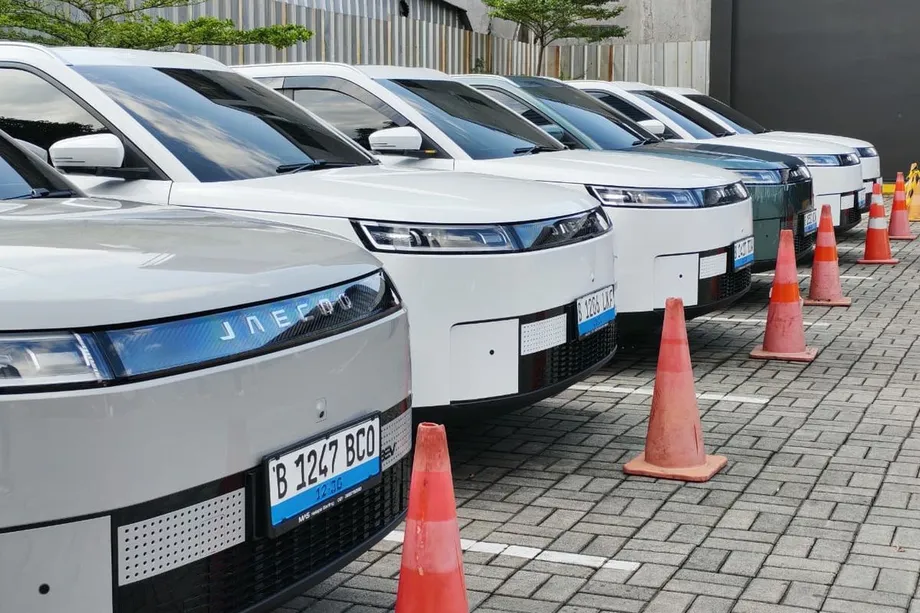
Indonesia currently charges tariffs of up to 50% on cars imported from the EU. Those duties are to be removed within five years. Many EU machinery, electrical equipment, chemical and pharmaceutical products will also receive lower duties, with the remaining tariffs phased out on different schedules. Under the EU's account, most pharmaceutical tariffs are to be removed within three years, while remaining chemical tariffs can take up to five years.
The agreement also cuts duties on many European food exports, including dairy products, meat, processed foods, fruit and vegetables. The EU currently exports around €1 billion in agri-food products to Indonesia each year. Food safety requirements remain in place, while the agreement aims to make procedures and information clearer for exporters.
Some sensitive goods are treated differently. The EU says rice, sugar and ethanol are excluded from tariff liberalisation, and limited quotas at reduced tariff rates apply to certain other products. For Indonesian palm and palm kernel oil, the agreement includes a duty free quota for crude oil. Palm oil was a contentious issue during negotiations, alongside European deforestation rules, Indonesia's policy of processing nickel at home, and EU duties on some Indonesian steel products.
Under the agreement's origin rules, a product must be made or substantially processed in the EU or Indonesia to qualify for lower tariffs. Sending a third country's goods through either market alone will not make them eligible. This is intended to ensure that the tariff benefits go to producers in the two partners.
What could change for Indonesian exporters?
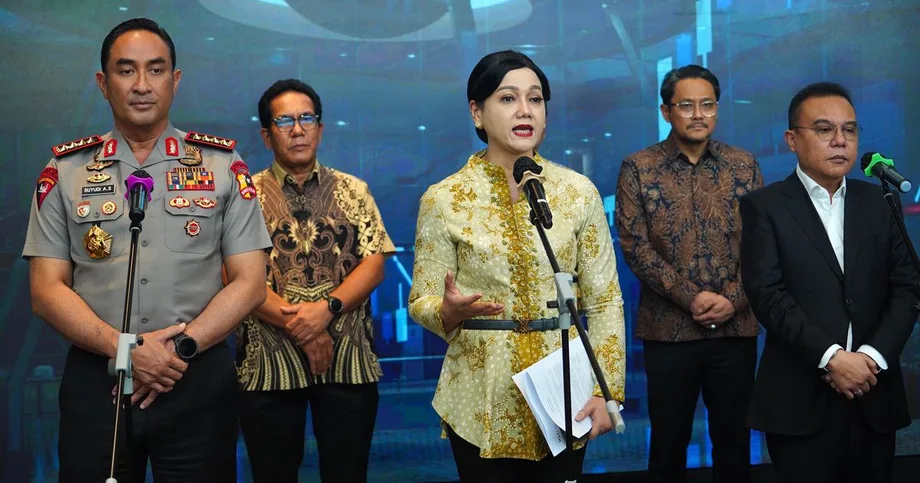
Indonesia's Coordinating Minister for Economic Affairs, Airlangga Hartarto, has said the pact should make Indonesian goods more competitive in Europe. He said the EU market has around 450 million people, while Indonesia has a population of more than 280 million. The official EU factsheet puts Indonesia's population at 283 million.
Hartarto described the benefits for Indonesian businesses in these words:
The Indonesia-EU CEPA offers strategic opportunities for Indonesian businesses to expand their access to the European Union market. Through tariff reductions, Indonesian products are expected to become more competitive and gain wider access to European markets.
The agreement also covers customs procedures, product standards and trade documents. Faster checks and less duplication in testing can reduce the time and expense involved in exporting, although businesses will still need to meet the destination market's product and safety rules. Indonesia says it will work to help smaller firms and farmers meet certification and sustainability requirements.
Services and digital trade get new rules
The CEPA goes beyond goods. It sets terms for services, including telecommunications and computer services, as well as public procurement, the process governments use to buy goods and services. The EU factsheet says Indonesia will allow 100% foreign ownership in telecommunications and computer services, opening a route for European providers to establish businesses there.
Digital trade rules address electronic contracts and signatures, consumer protection online, and the movement of data across borders. The agreement prohibits customs duties on electronic transmissions such as software and digital media. It also sets rules against unjustified requirements to store data locally, while each side retains its own privacy and data protection framework.
Public procurement provisions call for transparent and non-discriminatory tender processes. The agreement also protects intellectual property and provides direct protection in Indonesia for 221 EU geographical indications, names linked to products from particular places. The EU will protect 72 Indonesian geographical indications. The names help consumers identify the product's origin and protect producers from imitations.
The agreement includes cooperation on raw materials, energy and supply chains. Indonesia is a major producer of nickel and cobalt, materials used in industries linked to batteries and digital technology. The EU says the pact supports cooperation on access to such materials and requires environmental impact assessments for mining operations.
Investment protections include a right to regulate
The separate IPA is intended to make investment conditions more predictable for companies from both sides. It provides protections against unlawful expropriation, meaning a government taking an investment without meeting the agreement's rules, and commitments to fair and equitable treatment, non-discrimination and the transfer of investment related payments.
The pact also affirms that both governments can regulate for public goals, including public health, environmental protection and climate action. The European Parliament's CEPA briefing notes that the IPA does not currently include investor state dispute settlement. Instead, it provides for voluntary mediation and disputes between governments, with the parties set to negotiate a possible investor state process within three years.
EU investment stock in Indonesia stood at €25.1 billion in 2023, while Indonesian investment stock in the EU was €1.1 billion, according to the European Commission. Those figures measure accumulated investment, rather than trade in a single year.
Sustainability and market access remain linked
The CEPA includes commitments on labour, the environment and climate, and identifies the Paris Agreement as an essential element of the partnership. The two sides also plan cooperation on sustainability issues connected to trade, including palm oil. These provisions sit alongside the lower tariffs, so exporters will need to satisfy relevant environmental and labour commitments as well as customs and product requirements.
Trade figures show why both sides see room to expand the relationship. EU and Indonesian goods trade reached €27.3 billion in 2024, with EU imports from Indonesia worth €17.5 billion and EU exports worth €9.8 billion. The Council puts goods trade at €28.9 billion in 2025. Trade in services was €8.8 billion in 2023, according to the Commission, while the Council reports €9.3 billion in 2024.
Ireland's Minister for Foreign Affairs and Trade, Helen McEntee, said the deal would improve opportunities for Irish businesses in areas including agri-food, pharmaceuticals, technology, financial services and manufacturing. In an official statement, she said it was:
A clear signal that the EU remains committed to open markets, sustainable growth and strong international partnerships that deliver real benefits for businesses, workers and consumers.
The Irish government statement also described the Council decision as a priority during Ireland's presidency of the EU Council.
What remains undecided?
The agreements have not yet completed the steps needed for full entry into force. The signing is scheduled for November 21, followed by European Parliament consideration and further Council decisions. Provisional application will depend on both sides completing domestic procedures and notifying one another; no exact start date has been set. The current target is early 2027, close to Indonesia's January 1 graduation from the EU preference scheme.
For businesses, the practical effect will depend on when provisional application begins, which tariff schedule covers each product, and whether goods meet origin and regulatory requirements. The agreements set a framework for lower costs and clearer rules, while the remaining approval steps determine when firms can begin using it.
Key Points
- EU governments authorized signature and provisional application of the CEPA and IPA on November 18, 2026.
- The agreements are scheduled to be signed in Brussels on November 21.
- Up to 98.5% of tariff lines will be liberalised; 96% of Indonesian tariffs are scheduled to disappear within five years.
- The EU estimates annual customs duty savings of about €600 million for businesses.
- European Parliament consent and domestic procedures are still required. Provisional application is targeted for early 2027.
- Indonesia is due to graduate from the EU's Generalised Scheme of Preferences on January 1, 2027.