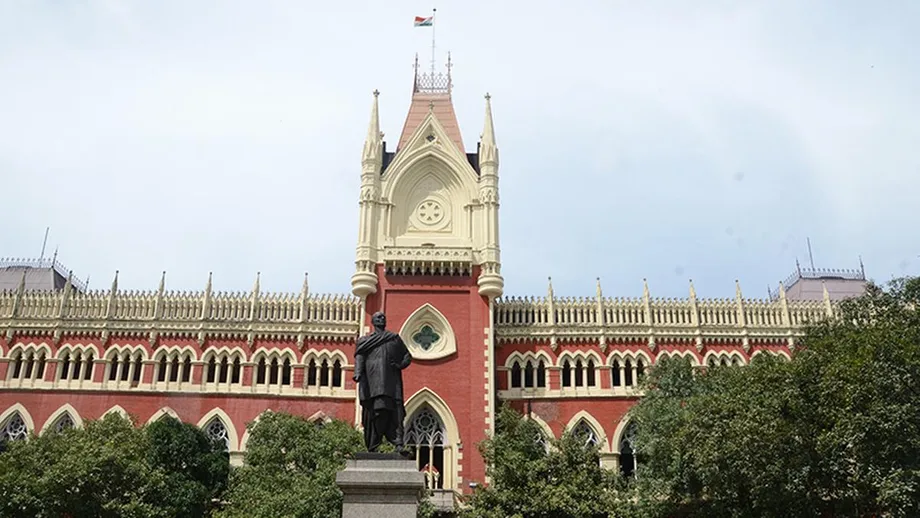
Protection continues while two court matters proceed
The Calcutta High Court on November 20, 2026, extended Trinamool Congress MP Abhishek Banerjee's protection from coercive police action until January 29, 2027, in a criminal case linked to remarks made during West Bengal's election campaign. Justice Saugata Bhattacharyya said alleged social media comments criticising the judiciary were painful, but did not appear to be deliberate contempt or a reason to refuse the extension.
Contents
- Protection continues while two court matters proceed
- Why did the court keep the protection in place?
- What did the judge say about the alleged posts?
- A separate contempt case is still pending
- What is the police case about?
- What happens next in the investigation?
- How the events unfolded
- Why the distinction matters
- Key Points
The hearing brought two separate legal questions into view. One is whether Banerjee should remain protected while police investigate the speech allegations. The other is a criminal contempt case before a different High Court bench, which issued him a notice on November 17 over remarks and social media posts about the court. The November 20 hearing did not decide that contempt case.
West Bengal Additional Advocate General Rajdeep Mazumder argued that Banerjee had repeatedly attacked the High Court and judiciary. The precise wording of the posts raised at the hearing was not discussed. The court said the State had not shown a change in circumstances or established that Banerjee had failed to cooperate with the investigation.
Why did the court keep the protection in place?
Interim protection is a temporary order that limits what police can do while a case is being considered. It is not a decision that the person is innocent, and it does not end the investigation. Banerjee's protection was first granted on May 21, on the condition that he cooperate with the probe, and had been extended on earlier occasions.
Justice Bhattacharyya focused on whether the alleged posts changed the circumstances of the criminal case enough to justify withdrawing that temporary protection. He asked whether a tweet could amount to deliberate contempt and whether it could be used to refuse the request for an extension.
The judge put the question this way:
Is it wilful, deliberate, contumacious contempt? Can a tweet be the basis for contumacious contempt? Can it be a ground to refuse interim prayer? Where is the change in circumstances denying a change in the nature of the interim order?
Contempt of court generally concerns conduct that interferes with the administration of justice or deliberately disobeys a court order. The judge's remarks addressed the test in this hearing; they did not resolve the separate contempt proceedings already started by another bench.
What did the judge say about the alleged posts?
Justice Bhattacharyya expressed anguish about comments directed at the court and asked what message they might send to Banerjee's followers. He also questioned why the MP was harming his own position. The court described the comments as painful, while saying they did not appear to be wilful and deliberate contempt in the matter then before it.
The judge said someone unhappy with a court order should challenge it in a higher court rather than make public comments about it. The State's lawyers said Banerjee had posted against the court after Justice Bhattacharyya refused interim protection to Banerjee's aide, Sumit Roy, in other criminal cases. That was an allegation made by the State, and the post's exact text was not examined in this hearing.
Banerjee's lawyer said he did not know of the alleged derogatory posts and would look into the circumstances. He also told the court that he did not subscribe to comments against it. The judge questioned counsel about his lack of knowledge, while keeping the focus of the hearing on whether the protection order should be extended.
A separate contempt case is still pending
On November 17, a bench led by Justice Krishna Rao ordered that Banerjee receive a notice to show cause why he should not be punished for criminal contempt. The notice concerned remarks made on November 7, as well as an interview and social media post, according to accounts of the proceedings. Justice Rao's bench described the alleged conduct as 'ex facie criminal contempt', meaning contempt that appeared on the face of the material before the court.
Banerjee was given 15 days to respond, and the matter was listed for December 8. In public comments after the notice, he said he had argued that some judges were under pressure from the BJP, not that they were aligned with the party. He also said many judges remained impartial. Those claims and the contempt allegation belong to the separate proceeding, not the police case in which protection was extended.
Justice Bhattacharyya said contempt could be considered in an appropriate separate proceeding if the situation required it. His decision on November 20 was narrower: the State had not shown why alleged posts should change the interim arrangement in the investigation case.
What is the police case about?
The criminal case concerns election campaign remarks that the complainant said were provocative and threatening toward opposition workers and Union Home Minister Amit Shah, a senior BJP leader. The case also forms the basis of Banerjee's request to quash the criminal proceedings. A request to quash asks a court to cancel a case; it does not itself mean the case has been cancelled.
One account of the allegation places a remark at an April 7 roadshow. Banerjee was reported to have said:
I will see who comes to save them on May 4. I will see which godfather from Delhi comes to their rescue.
The complainant alleged that 'godfather' referred to Amit Shah. Another account identifies the police case with a public meeting on April 27, ahead of the second phase of the state election. The High Court had previously called the alleged remarks irresponsible and unnecessary. The descriptions connect the case to campaign speeches, while giving different dates for the event.
The State told the court that Banerjee had provided a voice sample and that it had matched. A voice sample can help investigators compare a person's voice with a recording; the court's mention of it was part of the update on the investigation, not a finding that the speech allegations were proved.
What happens next in the investigation?
Justice Bhattacharyya directed the State to file a report on the investigation's progress. The judge also said police should complete the investigation and place a report before the court. Banerjee's counsel was directed to file an affidavit by Monday, November 23, addressing the remarks attributed to his client.
The extension means the existing protection remains in place until January 29, 2027, while the investigation continues. The court did not announce a final decision on Banerjee's request to quash the case. The date for the next hearing in that matter was not specified in the accounts of the November 20 order.
The separate contempt case has a listed date: December 8. Banerjee must respond to the notice within the 15 day period set by Justice Rao's bench. The result of that proceeding could be considered separately from the conditions attached to the police investigation protection.
How the events unfolded
May 21: Justice Bhattacharyya granted Banerjee interim protection from coercive police action, subject to cooperation with the investigation.
November 7: Remarks later cited in the separate contempt matter were made, according to accounts of the proceedings.
November 17: Justice Rao's bench ordered a criminal contempt notice and gave Banerjee 15 days to respond. The matter was listed for December 8.
November 20: Justice Bhattacharyya extended protection in the police case until January 29, 2027, and directed the State to report on investigative progress.
November 23: Banerjee's counsel was directed to file an affidavit about the remarks attributed to him.
Why the distinction matters
The High Court's November 20 order keeps the police investigation and the alleged contempt on separate tracks. In the investigation case, the immediate question was whether there was a reason to withdraw a temporary safeguard. The judge said the State had not shown that Banerjee stopped cooperating or that circumstances had changed enough to justify refusing an extension.
In the contempt case, a different bench will consider Banerjee's response to the notice and decide what follows. For now, the police investigation remains active, the protection order remains conditional, and the court has set December 8 for the contempt matter.
Key Points
The Calcutta High Court extended Abhishek Banerjee's interim protection until January 29, 2027.
Justice Saugata Bhattacharyya said the alleged court critical posts were painful but did not justify refusing the extension in the police case.
The State said Banerjee had provided a voice sample that matched; the court directed it to report on the investigation's progress.
A separate bench issued a criminal contempt notice on November 17, with the matter listed for December 8.