Who will no longer receive the meals?
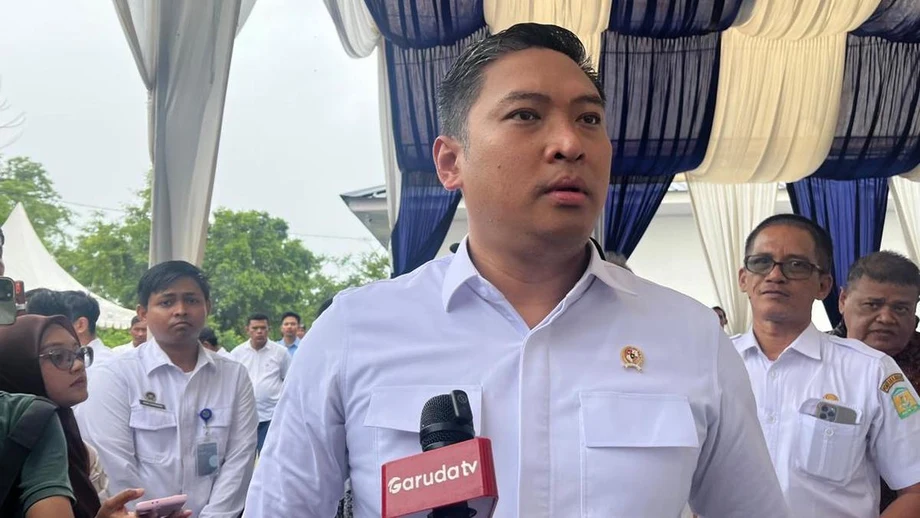
Indonesia's National Nutrition Agency, known as BGN, has removed 1,637 schools nationwide from the list of recipients of the Free Nutritious Meals program, or MBG. BGN head Sudaryono announced the decision during an unannounced inspection at the Pematang Sulur 1 Nutrition Service Unit in Jambi City on Friday, November 20, 2026.
Contents
The schools were removed because BGN judged that they had enough financial means to pay for meals themselves. Sudaryono pointed to elite schools with high tuition fees as a main example. The agency says the change is intended to direct public money toward people with greater need.
Sudaryono described the decision and its main reason during the inspection. He said the schools would no longer receive MBG.
Across Indonesia, there are 1,637 schools that we have excluded. They will no longer receive MBG. The reason is that they are elite schools, their fees are high, and they are capable; that is generally the reason.
Why is BGN changing the list?
MBG is a government meal program that serves schoolchildren and other groups, including pregnant women, breastfeeding mothers and children under five. BGN's current decision concerns schools on the recipient list. Removing a school means that the school will stop receiving meals through the program; the announcement did not give a count of students affected.
Sudaryono said a school with stronger finances should not be a priority while other communities still need help. The agency is reviewing who receives meals so that government funding is directed toward its intended recipients. BGN did not publish a school by school breakdown or explain the precise financial test used to decide which schools were able to pay for meals themselves.
Changing the list sits alongside efforts to widen access in places with fewer services. BGN activated 980 nutrition service units in 16 provinces in October, with the expansion aimed in part at disadvantaged, frontier and outermost areas. The October kitchen expansion described that push alongside continuing gaps in access.
How did kitchens bring in schools that did not need help?
Some schools received meals even though they were not considered a priority, Sudaryono said, because early operating rules required a kitchen to have beneficiaries before it could begin work. In some cases, kitchen managers sought schools to meet that requirement and pressured them to accept meals.
Sudaryono explained how that condition could lead to schools being added so a kitchen could open. He said BGN is now putting the recipient list in order.
In the past, for a kitchen to operate, it was required to have beneficiaries, so those who managed kitchens pressured these schools to accept MBG to keep their kitchens running. But now we are organizing everything.
The explanation points to a mismatch in the early setup: a kitchen needed recipients to start operating, while the program was supposed to prioritize people who needed support. BGN is reviewing both sides of that arrangement, the schools receiving meals and the kitchens distributing them.
Some schools have stepped away voluntarily
BGN says some schools have told the agency that they do not need MBG and have voluntarily withdrawn. In other cases, the agency has contacted school representatives directly to discuss whether meals should continue.
No details were given about how many schools withdrew on their own, how many were removed after direct discussions, or whether schools can ask BGN to review a decision. The agency also did not announce a date for completing its wider review of recipients.
How does the new figure compare with an earlier count?
A figure announced in September was at least 1,653 educational units removed from the program. An October school eligibility review described that group as international schools and financially independent schools that did not depend on government School Operational Assistance. The November announcement gives a figure of 1,637 schools and describes the main reason as financial capacity, including high tuition fees.
The two figures differ by 16, and BGN has not explained whether the change reflects different categories, a revised list or another counting method. The November figure is the latest one Sudaryono gave for schools excluded nationwide.
- September 14, 2026: A figure of at least 1,653 educational units removed was reported.
- October 14, 2026: BGN activated 980 nutrition service units across 16 provinces.
- November 20, 2026: Sudaryono said 1,637 schools had been removed from the recipient list.
Kitchens that broke the rules face closure
BGN is also investigating kitchens suspected of forcing MBG deliveries to schools that were not priority recipients. Sudaryono said some kitchens judged to have violated program rules had been closed, though he did not identify them or say how many had shut down.
That review connects recipient decisions with the way meals are supplied. BGN's October kitchen oversight overhaul also covered supervision, food safety and spending controls across the expanding program. The latest announcement adds a focus on whether kitchens are directing meals to suitable recipients.
For schools and families, the practical change is that meals will stop at the schools removed from the list, while BGN says it wants to prioritize people with greater need. The agency has not published a full list of affected schools, the number of pupils involved, or a schedule for future changes to the recipient list.
What to Know
- BGN says it removed 1,637 schools nationwide from the MBG recipient list.
- Sudaryono said schools with strong finances, including elite schools with high tuition fees, were among those removed.
- Some kitchens had sought schools as beneficiaries to meet an earlier condition for opening, and BGN says some rule breaking kitchens have been closed.
- Some schools withdrew voluntarily, while BGN also contacted other schools to review their participation.
- A September figure of at least 1,653 educational units differs from the November count; BGN has not explained the difference.