A larger oil buffer in Japan
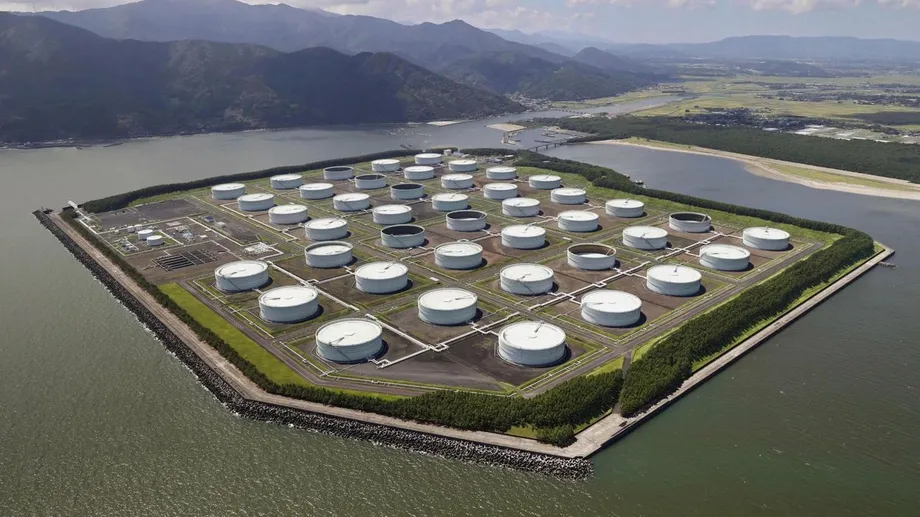
Japan has agreed to make room for up to 24 million barrels of Saudi crude at storage facilities in the country, three times the previous capacity, as Tokyo works to rebuild oil reserves drawn down during the disruption to shipments through the Strait of Hormuz. The extra 16 million barrels of storage is temporary. Saudi Arabia already had access to 8 million barrels of capacity in Japan.
Contents
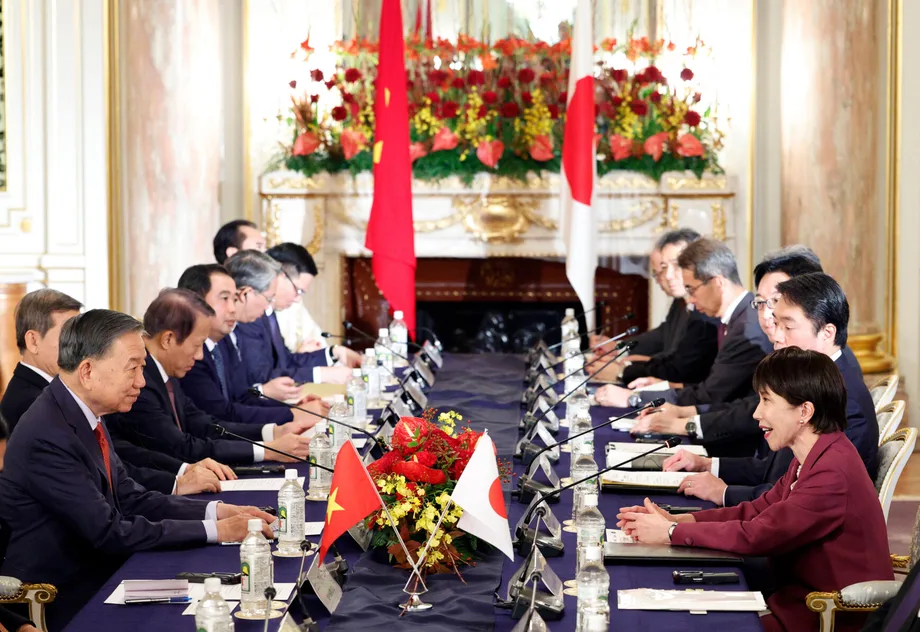
Japan's Ministry of Economy, Trade and Industry announced the agreement on Nov. 20. The added capacity is about 2.54 million kiloliters, or roughly nine days of Japan's domestic oil consumption. Saudi Arabia has already begun replenishing crude stocks at the Japanese facilities, although the amount currently stored has not been given.
The agreement also says Japan intends to buy as much as 8 million barrels of Saudi crude for its national reserve. That purchase depends on favorable market conditions and completion of Japan's internal procedures, so the two countries have not announced a firm delivery schedule.
The arrangement serves two purposes: Saudi Arabia can keep oil closer to Asian buyers, while Japan gains a potential source of crude during a supply emergency. The barrels held for Saudi Arabia are storage capacity, not a guarantee that the full 24 million barrels are already in the tanks.
What changes under the agreement?
The new 16 million barrels is added to the existing 8 million barrel arrangement between Japan and Saudi Arabia. Under that existing scheme, Japan has preferential access to the stored Saudi crude during an emergency. In ordinary conditions, Saudi Aramco can sell the oil to other Asian customers.
That distinction matters. The deal gives Saudi Arabia additional space to hold oil near important markets, while Japan can seek priority access when supply is disrupted. The additional capacity will be in Japan's national storage facilities for a specified period. The announcement does not give the period's length, identify more specific facilities or spell out operating terms for the newly added capacity.
The joint stockpiling project began in 2010. In November 2025, Japan's state oil and gas agency JOGMEC and Saudi Aramco renewed a three year lease covering 13 tanks at an Okinawa storage base, with capacity of about 8.2 million barrels. The newly announced additional capacity should be understood separately from that existing lease.
Japan's possible purchase is also separate from the storage expansion. If completed, up to 8 million barrels would go into Japan's national petroleum reserve. That volume is about one tenth of the 79.8 million barrels Japan contributed to the International Energy Agency coordinated release in March.
Why Japan is rebuilding its reserves
Japan depends heavily on imported oil, much of it from the Middle East. Before the Hormuz crisis, Middle Eastern crude accounted for more than 90 percent of Japan's oil imports. When tanker traffic through the strait was severely disrupted, Japanese buyers turned to suppliers including Canada, Azerbaijan and countries in Africa.
Emergency reserves are a buffer for periods when normal deliveries fail or become difficult. Japan released oil from public reserves and industry stocks in March as part of a coordinated effort by IEA members. On March 11, the members agreed to make a record 400 million barrels available. Japan's contribution was reported as 79.8 million barrels, including 54 million barrels from public reserves and 25.8 million from obligated industry stocks.
Japan's preliminary figures put its total stockpile at 201 days of domestic consumption as of Nov. 17: 101 days in national reserves, 96 days in private stocks and four days in joint stocks held with oil producers. Before the March release, the total was about 241 days, including 146 days in the national reserve.
Those figures use Japan's measure of days of domestic consumption. They are not the same as the IEA's standard measure based on days of net oil imports, so the two systems should not be compared as if they counted reserves in exactly the same way.
How the Hormuz disruption shaped the deal
The supply shock began on Feb. 28, when the conflict involving the United States and Iran disrupted oil shipments through the Strait of Hormuz. The strait is a narrow passage linking the Persian Gulf to the open sea. A large share of Gulf oil exports travels through it, making interruptions there a direct risk for importers such as Japan.
Gulf crude exports had recovered to 82 percent of their prewar level by October, according to the IEA. Brent crude was trading at about $92 a barrel in late November, down from above $110 in October. Lower prices and recovering shipments give importing countries a chance to refill reserves, though Japan's planned purchase remains conditional.
The IEA said global oil inventories rose by 52 million barrels in October, the first monthly increase since June, as oil held on ships increased. At the same time, stocks held on land continued to fall. That split shows why countries are paying attention both to the amount of oil available worldwide and to where it is stored and how quickly it can be delivered.
For Saudi Arabia, storage in Japan places crude closer to customers across Asia and could give the kingdom more options if shipping routes face another interruption. Saudi Aramco chief executive Amin Nasser said in October that the company had discussed access to strategic storage facilities with foreign governments.
Dates behind the agreement
Feb. 28, 2026: The Hormuz disruption began, interrupting shipments and prompting countries to draw on emergency supplies.
March 11, 2026: IEA members agreed to make a record 400 million barrels available from emergency stocks.
Oct. 8, 2026: An Asia Zero Emission Community ministerial meeting presented a work program on strengthening oil stockpiling.
Nov. 9, 2026: Saudi Energy Minister Prince Abdulaziz bin Salman and Japan's Economy, Trade and Industry Minister Ryosei Akazawa held a virtual meeting and discussed energy cooperation.
Nov. 17, 2026: Japan's preliminary figures showed stockpiles equal to 201 days of domestic consumption.
Nov. 20, 2026: Japan announced the temporary addition of 16 million barrels of Saudi storage capacity and its intention to consider buying up to 8 million barrels of Saudi crude.
Tokyo is also looking at regional cooperation
The bilateral arrangement fits into a wider effort to improve oil security in Asia. Japan and Saudi Arabia agreed to cooperate under Japan's POWERR Asia initiative and the Asia Zero Emission Community work program on oil stockpiling, presented on Oct. 8. The program covers storage systems and infrastructure, cooperation with oil producing countries, and coordination during emergencies.
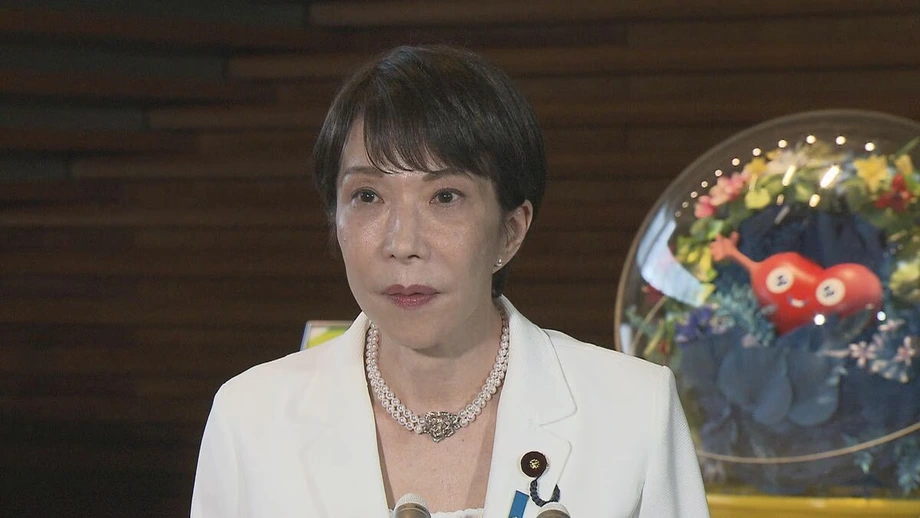
Prime Minister Sanae Takaichi has proposed a joint Asian task force to coordinate crude oil reserves. ASEAN members have separately agreed on a shared reserve with storage sites in Indonesia and Thailand, coordinated by the Philippines. These plans are at different stages, and no combined regional stockpile total or operating timetable has been announced.
Other storage arrangements are also being developed. Singapore plans to store Saudi crude in its Jurong Rock Caverns from the second half of 2027. Together, such agreements point to a practical approach: keep more oil near the places that need it, while preserving ways to move it when a shipping route is disrupted.
What the numbers do and do not tell us
The headline figure of 24 million barrels describes the storage capacity Saudi Arabia could use in Japan, not the amount of oil Japan is buying. The proposed Japanese purchase has a separate ceiling of 8 million barrels and depends on market conditions and domestic approval steps. Saudi Arabia's replenishment of the joint tanks has started, but no current volume has been published.
For Japanese households and businesses, the agreement adds another possible supply channel and supports the rebuilding of stocks used during the crisis. It does not immediately restore the reserves to their pre March level. The difference between 201 days of cover in November and about 241 days before the release shows the scale of the reduction under Japan's measure.
The timing and price of any purchase will shape how quickly Japan's reserves rise. The agreement sets out an opportunity to buy Saudi crude, rather than a date by which the full amount must arrive. The next public milestone will be confirmation of any purchase and further details on how the temporary storage capacity is used.
Key Points
Japan will temporarily provide Saudi Arabia with an additional 16 million barrels of storage capacity, lifting available capacity from 8 million to 24 million barrels.
Saudi Arabia has begun replenishing crude stocks in Japan, but the current volume has not been disclosed.
Japan intends to buy up to 8 million barrels of Saudi crude for its national reserve, subject to market conditions and internal procedures.
Japan's preliminary reserves equaled 201 days of domestic consumption on Nov. 17, down from about 241 days before the March release.
The deal follows the Hormuz supply disruption and forms part of broader efforts to strengthen oil storage and emergency coordination in Asia.