A decision about parenthood ended a marriage without erasing its good memories
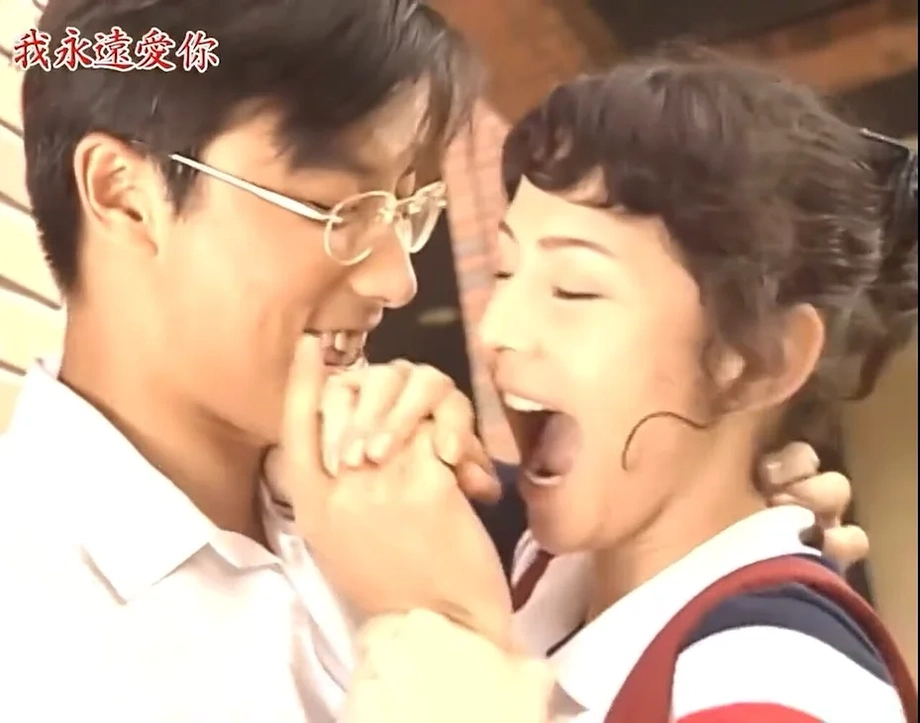
After six years of marriage, Hsu Yun-le and television host Chang Chao-chih separated because they reached different conclusions about having children. Hsu said she wanted to become a mother, while Chang eventually decided he did not want children. Their split, announced in December 2023, was not the result of mistreatment or a marriage she remembered as painful, she said.
Contents
- A decision about parenthood ended a marriage without erasing its good memories
- How did the couple reach different answers?
- Why did she feel responsible for the breakup?
- What did she say about her first marriage?
- How did she plan to become a mother after the divorce?
- What did the couple discuss before marrying?
- How did they face a pregnancy loss?
- Key dates in Hsu's story
- What to Know
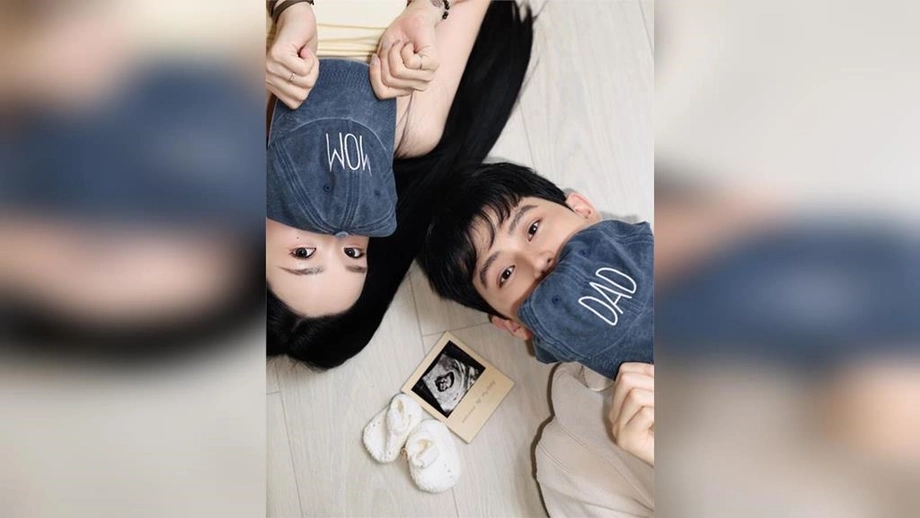
Hsu, now 38, looked back on the relationship on host Tao Ching-ying's online program Women's Matters, released on Nov. 18. She said she remains grateful to Chang for the important place he holds in her life. She later married singer Li Yu-hsi in 2025, and recently announced that she is about four months pregnant.
The story she told links a difficult choice in her first marriage with the preparations she made for her second. Hsu described years of conversations about parenthood, guilt over the effect of divorce on their close families, and counseling that helped her see the decision as a shared responsibility. With Li, she said, she discussed practical questions about money and household decisions before marriage.
How did the couple reach different answers?
Hsu said she had wanted a child since she was five or six. She met Chang when she was 26 or 27, and married him at 30. At the time, neither had reached a firm agreement about whether they wanted children.
During their six years together, the couple returned to the subject about twice a year. Chang did not give her a firm refusal at first. Hsu recalled that he once said, "Actually, it seems like it might not be impossible." That left the question open, but did not give them a shared decision.
At 35, Hsu decided to freeze her eggs, a process that stores eggs for possible use in the future. Medical checks found that her uterus, ovaries and eggs were in good condition, she said. The experience made her feel she needed to decide whether having a child was part of the life she wanted.
Hsu then asked Chang whether he had made up his mind. After a final, serious conversation, she said, she concluded that she wanted a child and he concluded that he did not. They chose to end the marriage rather than leave the central question unresolved.
Why did she feel responsible for the breakup?
The separation also affected two families that had grown close. Hsu said she had a warm relationship with her former in laws, and that they were close to her mother. Her brother was also their godson. She worried that her wish to have a child would break apart relationships that had become like one extended family.
Hsu described feeling guilty and fearing that she had destroyed the family network by wanting a child. She sought psychological counseling, where a counselor offered a different way to think about the decision: a marriage involves two people, and both share responsibility for choices made together.
Hsu recalled the counselor's advice this way:
There are only two people in a marriage. You both have to make a decision about the same thing, so each person carries 50 percent of the responsibility.
That perspective helped her stop treating the separation as a failure caused by her alone. Her desire for a child was her own life choice, she said, while the outcome came from the couple's different wishes.
What did she say about her first marriage?
Hsu stressed that she did not feel mistreated by Chang. She described the marriage as a good experience and said it did not leave her believing that marriage had to mean hardship or sacrifice.
When Tao asked about the reason for the split, Hsu rejected the idea that it came from everyday irritation or conflict. She said the pair made their choices with care, even though those choices led them in different directions.
Hsu also said Chang has wished her well. She credited the respectful relationship they had with helping her remain open to marriage after their divorce. For her, ending a relationship over a fundamental difference did not mean that the years together had been worthless.
How did she plan to become a mother after the divorce?
After becoming single, Hsu considered the possibility that she might not meet a partner who wanted the same future. She said she had thought that if she were still without a suitable partner at 39 or 40, she would look for another way to have a child on her own.
Instead, she met Li. The two married in 2025, when Hsu was 38. She has said that their relationship moved quickly toward serious conversations: they began premarital counseling less than six months after starting to date.
The counseling gave them a structured chance to discuss subjects that couples can put off, including how to divide money, who would make different household decisions, and how to communicate during arguments. Hsu said they went through the issues carefully and checked whether they agreed, rather than relying on one person to give way after problems arose.
What did the couple discuss before marrying?
Hsu said her first marriage taught her that affection alone cannot settle every major question about a shared life. She and Li therefore talked about practical arrangements before marrying, including how they would handle finances and make decisions that affected both of them.
They also discussed how to respond when they disagreed. Those conversations were meant to make expectations clearer before marriage, when a disagreement could otherwise emerge for the first time under pressure. Hsu described the process as a way to face difficult topics early, not as a guarantee that a couple would never argue.
She also spoke warmly about meeting Li's family. At a meal during the Lunar New Year, she finished her food and started to carry her bowl to the kitchen. When Li's mother told her to leave it, Hsu joked that she was going back for a second serving. The exchange, she said, helped her feel at ease with his family.
How did they face a pregnancy loss?
Hsu said she and Li experienced a pregnancy loss earlier in 2026, when the embryo stopped developing and no heartbeat was found. She recalled that they cried together for about half an hour on the night before her procedure. Roughly six months later, she became pregnant again.
Hsu has described hearing the baby's heartbeat at a clinic as an emotional moment for both of them. She announced the pregnancy on Nov. 5 and said on Tao's program that she was about four months along.
Li also made changes to support her during the effort to conceive, Hsu said. He asked his company about adjusting his work schedule so he could spend more time with her. She said his support mattered because she did not want to face the process alone.
Hsu explained that Li's own childhood shaped how he thinks about fatherhood. He had limited time with his busy father and does not want his future child to have the same experience. Hsu summed up the idea he shared with her:
He is not starting when there is a child. He is starting with me.
Key dates in Hsu's story
At 30, Hsu married Chang. They discussed having children throughout their six year marriage.
At 35, Hsu froze her eggs and began pressing for a clear decision about parenthood.
In December 2023, Hsu and Chang announced their divorce after deciding they wanted different futures on having children.
In 2025, Hsu married Li. The couple began premarital counseling less than six months into their relationship.
Early in 2026, Hsu and Li experienced a pregnancy loss. Hsu later became pregnant again and announced the news on Nov. 5.
On Nov. 18, Hsu discussed both marriages and her choices about parenthood on Tao's program.
What to Know
Hsu said she and Chang divorced because she wanted children and he ultimately decided he did not.
She said she felt no mistreatment in her first marriage and remains grateful to Chang.
A counselor helped Hsu understand the breakup as a shared decision, with responsibility belonging to both partners.
Hsu and Li discussed finances, household decisions and communication through premarital counseling.
After an early 2026 pregnancy loss, Hsu announced on Nov. 5 that she was pregnant again, about four months along.