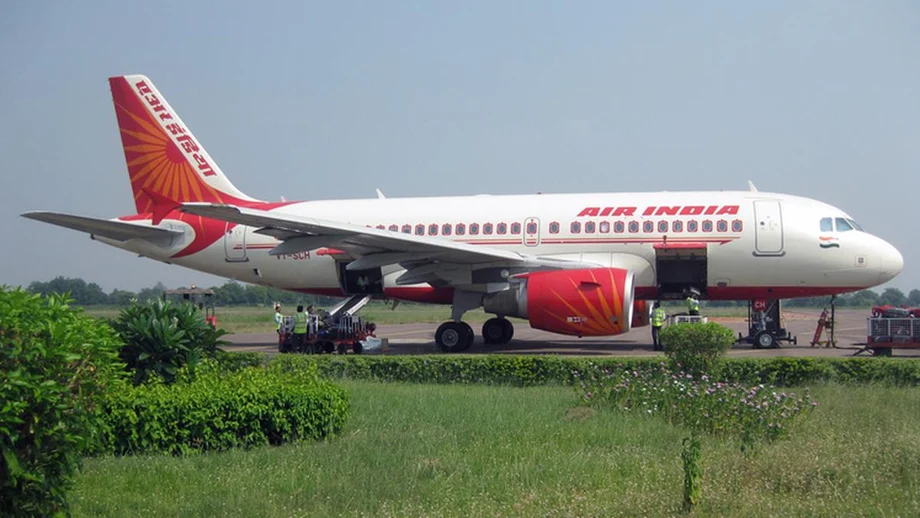
Three major airports saw most scheduled SpiceJet flights cancelled
At Delhi, Mumbai and Bengaluru airports, 31 of 42 SpiceJet flights scheduled for Thursday, November 19, were marked cancelled or not operating. Delhi recorded 16 disruptions among 22 scheduled services, Mumbai three among four, and Bengaluru 12 among 16, according to airport operators' data. The cancellations offer a sharp picture of a crisis that has left passengers unsure whether flights will depart and the airline struggling to keep its published schedule.
Contents
- Three major airports saw most scheduled SpiceJet flights cancelled
- How large is the gap between scheduled and actual flights?
- What does the cash and carry arrangement mean?
- What did the DGCA notice raise?
- A shrinking fleet and falling market share
- Can Rs 5,500 crore repair the damage?
- Legal and market deadlines add pressure
- Key dates in the crisis
- What to Know
SpiceJet's troubles have worsened as money runs short, aircraft remain grounded and payments to service providers and lessors fall behind. Delhi's Indira Gandhi International Airport warned travellers that SpiceJet's operational difficulties could affect flights and urged them to check directly with the airline before travelling. Mumbai airport issued similar advice during recent disruptions.
The Ministry of Civil Aviation's AirSewa passenger complaint portal listed 7,674 grievances against SpiceJet as of November 19. On-time performance was 25% that day, compared with more than 80% for other major Indian airlines, according to ministry figures. At the same time, SpiceJet has continued to accept bookings across its published schedule, even as the number of flights it can operate has fallen sharply.
The Directorate General of Civil Aviation (DGCA) has given the airline seven days to respond to a notice dated November 17. SpiceJet's board has approved a proposal to raise as much as Rs 5,500 crore, but the fundraising still needs required approvals and the airline has not announced when it expects the money to arrive.
The immediate effect falls on travellers facing cancelled trips, delays and the cost of finding another flight. The larger question is whether new funding can restore enough aircraft and reliable services to keep the airline operating at a more normal scale.
How large is the gap between scheduled and actual flights?
The DGCA approved SpiceJet to operate around 66 flights a day in the winter schedule, according to the original account of the airline's operations. Yet it was operating barely 15 flights daily, while other recent estimates put the active fleet at fewer than 10 aircraft. Those figures describe different things: a flight is one scheduled journey, while an aircraft can make several journeys in a day. The number of flights that actually take off also changes from day to day.
Airport data show how broad the disruption had become by November 19. At the three largest airports in the tally, nearly three out of every four scheduled SpiceJet services were cancelled or not operating. Other recent airport figures indicate that cancellations exceeded half of scheduled flights on several days. The airline's approved winter schedule, therefore, gives passengers little certainty about whether a specific service will run.
Passengers have also described long waits and poor communication at airport counters. At Mumbai, two Delhi bound services scheduled late Tuesday night departed early Wednesday. Flight SG-511 took off at 4:13 a.m., almost five hours after its scheduled 11:20 p.m. departure. SG-670 departed at 2:31 a.m., more than two and a half hours after its scheduled 11:55 p.m. departure. At least 12 Mumbai departures were cancelled on Tuesday, and at least 17 domestic and international flights had been announced as cancelled by 7 p.m. Wednesday.
In September, the DGCA recorded a cancellation rate of 20.29% for SpiceJet, the highest among scheduled domestic carriers that month. Around 36,000 passengers experienced delays of more than two hours, while about 21,700 were affected by cancellations, according to figures cited from the regulator. Those monthly figures show that the latest airport disruption followed a longer period of poor service, rather than a single difficult day.
What does the cash and carry arrangement mean?
Airports, fuel companies and other suppliers have required SpiceJet to pay upfront for some services. In a cash and carry arrangement, a company pays before using a service instead of receiving credit and settling the bill later. For an airline, that can mean finding money for airport charges and fuel before each flight can operate.
Airport charges cover services used by an aircraft, such as navigation and landing support. If the airline cannot pay the required amount, the flight may not receive clearance to operate. The arrangement can therefore turn a cash shortage into a direct operational problem: fewer payments can mean fewer flights, which in turn means fewer passengers and less revenue coming in.
The pressure is not limited to domestic airports. Dubai Airports suspended SpiceJet check in services last week after ground handling company dnata halted its work over unpaid dues exceeding Rs 35 crore, or more than 14 million UAE dirhams. Four Dubai flights were cancelled on November 12 after the suspension. Foreign aviation authorities have also raised concerns with the DGCA about overseas disruptions linked to delayed payments to service providers.
Reports of salary delays add another strain. Employees have reportedly gone several months without receiving salaries, while unpaid final settlements and crew shortages have been cited as factors affecting operations. When staff do not report for duty, an airline may be unable to operate a flight even if an aircraft is available. Four Delhi departures reportedly did not operate on September 19 after crew members failed to report.
What did the DGCA notice raise?
The November 17 notice asks SpiceJet to explain why action should not be taken over alleged regulatory and operational failures. The airline has seven days to respond. If it does not, the regulator may issue an order without hearing its explanation first.
The notice raises concerns about SpiceJet's growing cancellations and delays, poor on-time performance, failure to follow its approved schedule and the way it assists passengers when flights are disrupted. It also cites shortfalls in flying on Category IIA and Category III routes under the Route Dispersal Guidelines. These rules require airlines to serve certain routes, including places that may be less commercially attractive, as part of their broader operations.
The DGCA also cited concerns about SpiceJet's compliance with AIC 10/2022, which covers eligibility for scheduled international flights. The notice referred to uncertainty over renewal of required insurance, a penalty imposed by an order dated May 11, 2026, that remained unpaid, and the absence of a credible plan to return grounded aircraft to service.
For international operations, the eligibility rule cited by the regulator requires an airline to use at least 20 aircraft or 20% of its total capacity, measured by average seats on departures, for domestic operations. The higher threshold applies. The regulator's concerns therefore connect the airline's shrinking fleet to its ability to meet requirements for flying scheduled international services.
A shrinking fleet and falling market share
SpiceJet's available aircraft have fallen far below the number it needs to run a broad schedule. The DGCA notice says most of the fleet is grounded and that the airline has not provided a credible plan to bring those aircraft back into commercial service. Six recently leased aircraft remain grounded over unpaid dues, while Moldova based airline FLYONE ended an agreement to lease three aircraft to SpiceJet, citing outstanding payments.
Estimates of the operational fleet vary by date and method. Recent accounts put the number at fewer than 10 aircraft, while another estimate placed it at around 12 or 13. The common point is that only a small part of the airline's fleet is currently available for service. CARE Ratings said the operating fleet had been 33 aircraft in December 2025, with around 37 grounded at the time of its assessment. It lowered SpiceJet's long term rating to CARE B+ from CARE BB-, citing financial pressure and limited liquidity.
The airline's shrinking operations are reflected in its market share. DGCA figures put SpiceJet at 0.6% of the domestic market in September, down from 3.9% in January. Passenger numbers fell from about 592,000 in January to 73,000 in September. A separate October comparison also put its share at 0.6%, against around 4% in January. Before the COVID-19 pandemic, SpiceJet held nearly 15% of the market in 2019.
For passengers, a smaller airline means fewer SpiceJet seats to choose from and potentially fewer alternatives on routes where other carriers have limited capacity. Travellers whose flights are cancelled may need to buy last minute tickets, which can cost more when available seats are scarce. The effect on fares depends on the route and how many seats competing airlines have left.
Can Rs 5,500 crore repair the damage?
SpiceJet's board approved a proposal to raise up to Rs 5,500 crore through equity and other permitted financial instruments. It also approved a plan to increase authorised share capital from Rs 2,000 crore to Rs 7,500 crore. Authorised share capital is the maximum amount of share capital a company is permitted to issue. The proposed raise remains subject to shareholder and regulatory approvals.
The company has sought funding before. In September 2024, it raised Rs 3,000 crore through a qualified institutional placement, a sale of shares to selected institutional investors. Its FY25 annual report said Rs 2,699.54 crore of those proceeds had been used by March 31, 2025, including for statutory payments, creditor settlements, maintenance, aircraft returns to service, employee costs and airport dues. The airline reported a standalone profit of Rs 58.07 crore for FY25 after a loss of Rs 409.44 crore in FY24.
That improvement did not remove the longer term financial pressure. SpiceJet's FY25 annual report recorded accumulated losses of Rs 7,764.81 crore and a Rs 3,845.07 crore gap between current assets and current liabilities. Current liabilities are bills and other obligations due within a year; current assets are resources expected to be available within that period. The company's auditors also flagged material uncertainty about its ability to continue as a going concern, a term referring to whether a business can keep operating and meet its obligations.
The airline's ability to turn the new proposal into working cash, and then use it to pay suppliers and restore aircraft, will shape whether flights can increase. A board approval is an important step, but money must still be raised and deployed. SpiceJet also faces insolvency petitions by lessors and payment claims involving former promoter Kalanithi Maran and KAL Airways.
Legal and market deadlines add pressure
On November 17, the Delhi High Court rejected SpiceJet's request for more time to deposit Rs 144.51 crore in its dispute with Kalanithi Maran and KAL Airways. The court also rejected a proposal to provide a Gurugram property as security, according to details of the decision. The dispute is one of several financial pressures the airline must address alongside unpaid supplier bills and aircraft lease payments.
SpiceJet has also not filed financial results for the March and June 2026 quarters. The Bombay Stock Exchange warned that trading in the airline's shares could be suspended from December 10 if the results were not filed by December 7. The company has attributed the delay to the time needed to complete its audit.
The next immediate regulatory step is SpiceJet's response to the DGCA notice, due within seven days of its November 17 date. The notice also records uncertainty over mandatory insurance renewal and cites the unpaid penalty. No final DGCA decision on suspending the airline's operations has been announced. A senior regulator official said the civil aviation ministry would have to decide whether to suspend operations.
Key dates in the crisis
September 2024: SpiceJet raised Rs 3,000 crore through a qualified institutional placement.
November 12, 2026: Four Dubai flights were cancelled after dnata suspended check in services over unpaid dues.
November 17, 2026: The DGCA issued its notice, and the Delhi High Court rejected SpiceJet's request for more time to deposit Rs 144.51 crore.
November 19, 2026: Airport data showed 31 of 42 scheduled SpiceJet flights at Delhi, Mumbai and Bengaluru cancelled or not operating; AirSewa listed 7,674 grievances.
December 7 and December 10, 2026: The BSE filing deadline and possible share trading suspension, respectively.
What to Know
Airport operators recorded 31 cancellations or non operating flights among 42 SpiceJet services scheduled at Delhi, Mumbai and Bengaluru on November 19.
AirSewa listed 7,674 passenger grievances as of November 19, and the airline's on-time performance was 25% that day.
The DGCA gave SpiceJet seven days from its November 17 notice to respond to concerns including cancellations, grounded aircraft, route obligations and insurance.
SpiceJet's domestic market share fell to 0.6% in September from 3.9% in January, while passenger numbers dropped from about 592,000 to 73,000.
The board has approved a proposal to raise up to Rs 5,500 crore, subject to shareholder and regulatory approvals; when the funds will be raised has not been announced.