Four Routes Return to Journeys of About 17 Hours
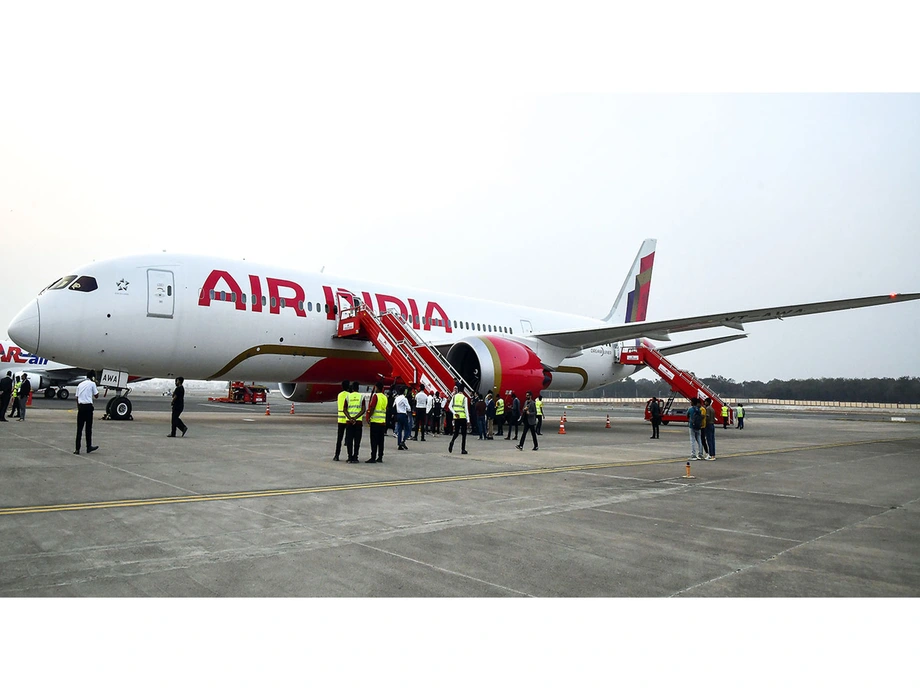
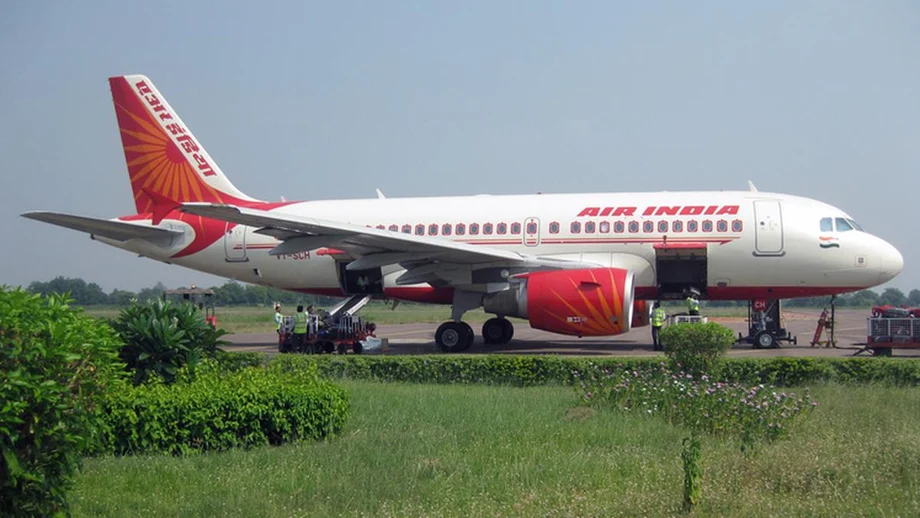
Air India has restored nonstop flights from Delhi and Mumbai to New York's John F. Kennedy International Airport and Newark Liberty International Airport, cutting affected journeys from around 22 hours to approximately 17 hours. The airline announced the restoration on November 15, 2026, after airspace restrictions that had forced refuelling stops in Rome were eased. The journey-time estimates were given in Air India's November 15 statement.
Contents
The change covers four routes and a schedule totalling 21 flights a week from the two Indian cities to the two US airports. Delhi and Mumbai each have a daily service to JFK. Delhi also has four weekly flights to Newark, while Mumbai has three.
Nonstop operations began returning in the first week of November, with flights using Iraqi airspace. The shorter journeys remove the intermediate landing in Italy that had become necessary after Pakistan closed its airspace to Indian airlines and restrictions across parts of the Middle East complicated routes to North America.
Air India, the airline operating all four routes, described the restoration in its announcement:
With airspace restrictions eased, Air India has now resumed non-stop operations on all four India-New York routes.
For passengers on affected flights, the saving is substantial: five hours off a journey previously lasting about 22 hours amounts to roughly 23% less travel time. The airline's figures are approximate, with the reduction described as up to five hours.
Why Flights Had to Stop in Rome
Pakistan's closure of its airspace to Indian carriers removed a route available to Air India. Further restrictions across parts of the Middle East, imposed amid regional conflict, narrowed the airline's options for reaching North America.
Aircraft then had to follow longer paths around restricted areas. Earlier routings through Jordan and Egypt increased flying hours, while affected services from Delhi and Mumbai to JFK and Newark made a technical stop in Rome for fuel.
A technical stop is a landing made for an operational need, such as refuelling, rather than to serve an additional destination. Passengers travelling to New York still had the same final destination, but their aircraft needed an extra landing and departure along the way.
Longer routes require more fuel because an aircraft spends more time flying. A refuelling stop adds time on the ground as well. Together, the detour and the stop had stretched affected journeys to around 22 hours.
The restored operations use Iraqi airspace as part of the revised routing. Air India attributed the return to nonstop flying to the reopening of previously restricted airspace. The airline did not give a date for the reopening of Pakistani airspace to Indian carriers.
How the Return to Nonstop Flying Unfolded
The disruption and recovery happened in stages. Pakistan's airspace closure and restrictions across parts of the Middle East changed the routes first; nonstop services returned before Air India's November 15 announcement.
- Earlier in 2026: Pakistan closed its airspace to Indian airlines, and restrictions across parts of the Middle East further affected routes between India and North America.
- During the disruption: Affected Delhi and Mumbai services to JFK and Newark operated with a technical refuelling stop in Rome. Longer routings through Jordan and Egypt also increased flying time.
- First week of November: Air India began restoring nonstop operations using Iraqi airspace.
- November 15: The airline announced that all four routes were operating nonstop, with affected journeys shortened by up to five hours.
For travellers, the practical change is the removal of Rome from the journey. Delhi and Mumbai remain the Indian departure cities, and JFK and Newark remain the US destinations.
Which Flights Are Operating?
Air India's schedule gives passengers a daily option to JFK from either Delhi or Mumbai. Newark services operate fewer times each week, with a different frequency from each Indian city. The route frequencies and aircraft assignments were detailed in the airline's November 15 statement.
- Delhi to JFK: One flight daily, using an Airbus A350-900.
- Mumbai to JFK: One flight daily, using a Boeing 777-300ER.
- Delhi to Newark: Four flights weekly, using an Airbus A350-900.
- Mumbai to Newark: Three flights weekly, using a Boeing 777-300ER.
The two daily JFK routes add up to 14 flights a week from India, while the Newark routes account for seven. JFK therefore receives two thirds of the 21 weekly departures described in the airline's schedule, and Newark receives one third.
Delhi accounts for 11 weekly departures across the two airports, compared with 10 from Mumbai. Those totals show how the services are distributed: both cities have the same frequency to JFK, while Delhi has one additional weekly Newark flight.
JFK is in New York City, while Newark Liberty is in neighbouring New Jersey. Both serve the wider New York metropolitan area, giving passengers two different arrival airports within the region.
What Passengers Will Find on Delhi Flights
Air India uses the Airbus A350-900 on both its Delhi routes. The aircraft configuration described for these services has 316 seats across three cabins: 28 Business Class suites, 24 Premium Economy seats and 264 Economy Class seats.
Business Class suites have beds that recline fully flat. Premium Economy provides a separate cabin category between Business and Economy. The aircraft also have updated inflight entertainment systems across the cabins.
Economy accounts for 264 of the 316 seats, or about 84% of the aircraft's capacity. The restoration therefore shortens the journey for passengers across a service where most seats are in Economy, alongside those travelling in the two smaller cabins.
Delhi passengers have the same aircraft type on the daily JFK service and the four weekly Newark services. Their choice between those routes involves the arrival airport and operating day, while the stated cabin categories remain the same.
How Mumbai's Aircraft Differ
Air India's Mumbai services to JFK and Newark use Boeing 777-300ER aircraft with upgraded cabin interiors. Their stated configuration has 328 seats: eight First Class suites, 40 Business Class seats and 280 Economy Class seats.
First Class suites have privacy doors, and Business Class seats recline into flat beds. The Mumbai configuration lists First, Business and Economy, while the Delhi A350 configuration lists Business, Premium Economy and Economy.
The Boeing configuration has 12 more seats than the A350 configuration described for Delhi. Its 280 Economy seats make up about 85% of capacity, compared with about 84% on the A350.
For someone choosing between departures from Delhi and Mumbai, the cabin difference is concrete. Premium Economy is listed on the Delhi aircraft, while First Class is listed on the Mumbai aircraft. Both cities now have nonstop services to both US airports.
What the Shorter Journey Changes
Passengers on the affected services regain as much as five hours and avoid the additional landing and departure in Rome. A journey of approximately 17 hours is still a lengthy international flight, but it removes a substantial part of the travel time created by the airspace disruption.
Air India's experience also shows how restrictions far from a passenger's destination can alter a trip. Flights from India to the United States had to change course because of access limits over Pakistan and parts of the Middle East. Rome became a fuel stop because of the resulting operational constraints.
The airline has restored the ability to complete all four routes without that stop. Its schedule combines daily JFK services from both Indian cities with less frequent Newark flights, while the aircraft assigned to Delhi and Mumbai provide different cabin choices.
The central improvement is straightforward: the same four city pairs are connected without an intermediate refuelling landing, bringing affected journeys back to around 17 hours.
Key Points
- Air India announced the restoration of all four nonstop Delhi and Mumbai routes to JFK and Newark on November 15, 2026.
- Nonstop operations began returning in the first week of November using Iraqi airspace.
- Affected journeys now take approximately 17 hours, down from around 22 hours with a Rome refuelling stop.
- Delhi and Mumbai each have daily JFK services. Delhi has four weekly Newark flights, and Mumbai has three.
- Delhi routes use Airbus A350-900 aircraft; Mumbai routes use Boeing 777-300ER aircraft.
- Pakistan's airspace closure and restrictions across parts of the Middle East had forced longer routings and technical stops.