A decision Biden says he would own again
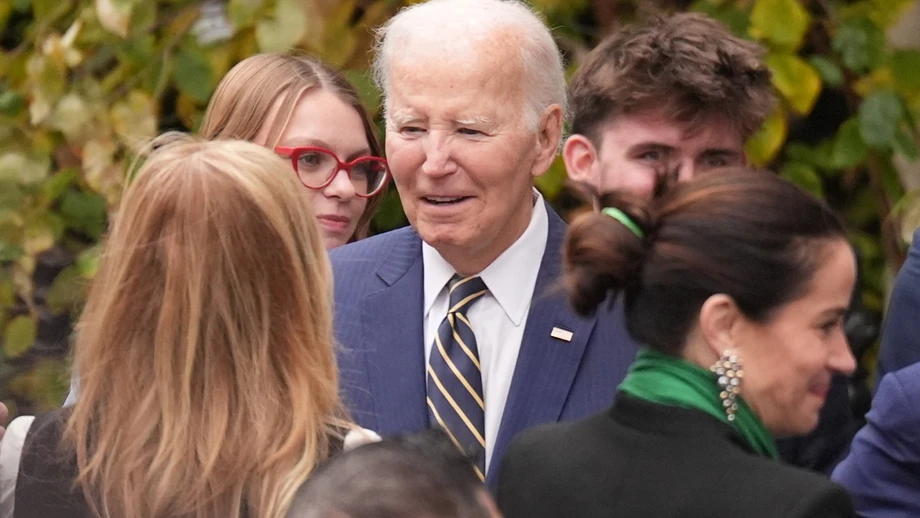
Former U.S. President Joe Biden says he would again order American forces out of Afghanistan, despite the Taliban's rapid return to power, the deadly attack at Kabul airport and the rushed evacuation that followed. In his memoir, Promise Me, America, he argues that continuing the 20 year war would have meant more American lives and money at risk, without a realistic path to a stable Afghan government.
Contents
- A decision Biden says he would own again
- What agreement did Biden inherit?
- Why did Biden reject keeping a small force?
- What happened as Kabul fell?
- How large was the evacuation, and what went wrong?
- What does Biden say about military warnings?
- How do reviews assess the withdrawal?
- What the decision changed for Afghans
- The Bottom Line
The book, released on November 17, 2026, revisits a decision that ended the United States' longest war but left lasting disputes over how the departure was handled. Biden writes that he inherited a February 2020 withdrawal agreement with the Taliban and only 2,500 American troops in Afghanistan. He says he did not want to leave the conflict for a fifth president to manage.
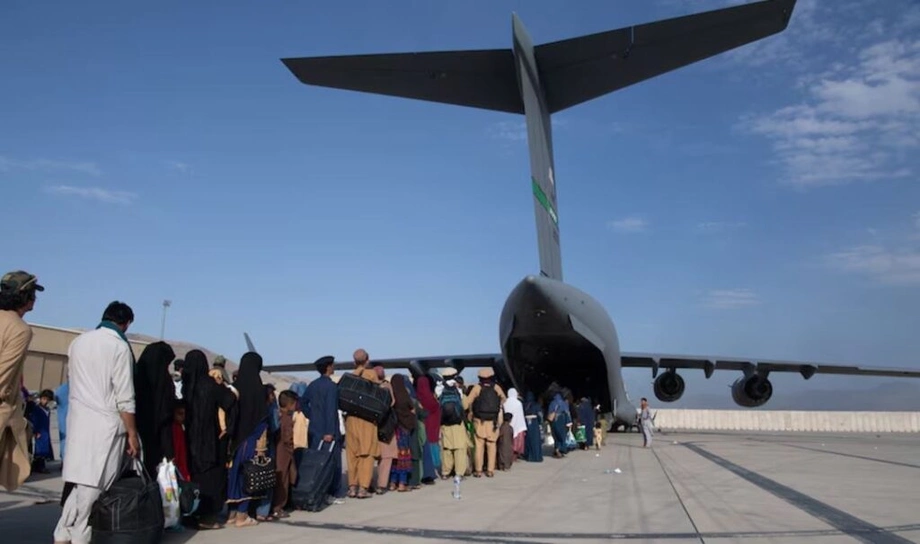
The last U.S. military flight left Kabul on August 30, 2021. The wider evacuation operation was declared complete on August 31, after American and allied forces helped fly more than 124,000 people out of the country. An Islamic State Khorasan Province, or ISIS-K, suicide bombing at Abbey Gate on August 26 killed 13 U.S. service members and at least 170 Afghans.
Biden's memoir places responsibility for the decision on himself while arguing that the war's aims had been met and its costs could no longer be justified. Government reviews and other assessments also point to planning failures and mistaken expectations about how long Afghanistan's government could withstand the Taliban.
What agreement did Biden inherit?
The February 2020 Doha Agreement, negotiated by the Trump administration and the Taliban, set a deadline for U.S. forces to leave by the end of April 2021. The agreement tied the Taliban's promise to refrain from attacking U.S. forces to the United States meeting its withdrawal commitment. It did not require the Taliban to reduce attacks on the Afghan government before American troops departed, according to the Congressional Research Service's Congressional Research Service report.
The agreement also left the Afghan government out of the deal between Washington and the Taliban. Biden calls it a "ticking time bomb" in his memoir. He says he did not like its terms, but faced a choice between leaving and resuming combat with the Taliban. A White House review later argued that failing to withdraw by the deadline could have prompted renewed attacks on U.S. forces and a need to send in more troops.
When Biden took office on January 20, 2021, the United States had about 2,500 troops in Afghanistan, down from more than 10,000 in 2017. The Taliban controlled or contested nearly half the country, according to the White House review. That document says the outgoing administration left no plan for the final withdrawal or for evacuating Americans and Afghan partners.
The agreement's deadline shifted as Biden reviewed the options. On April 14, 2021, he announced a final withdrawal beginning May 1, with a new target of September 11. In July, he moved the announced end of the military mission to August 31. As the Taliban advanced, the United States sent additional forces to secure the airport and help with evacuations.
Why did Biden reject keeping a small force?
Biden says the United States had achieved its central goals: removing Osama bin Laden and degrading the threat from the group responsible for the September 11 attacks. U.S. forces killed bin Laden in Abbottabad, Pakistan, on May 2, 2011. Biden writes that he believed the United States should have left Afghanistan after that operation.
He also argues that the terrorist threat had spread beyond Afghanistan and that continuing the war meant spending more money and exposing American troops to further danger. His administration's public case was that leaving would allow the United States to focus on other security threats while retaining the ability to strike terrorist targets from outside Afghanistan.
Keeping 2,500 troops, Biden's administration argued, would not have guaranteed a stable stalemate. Defense Secretary Lloyd Austin told lawmakers that staying at that level could mean fighting the Taliban and reinforcing U.S. forces. Gen. Mark Milley, then chairman of the Joint Chiefs of Staff, also said there was a reasonable chance troop numbers would have to increase if the Taliban resumed attacks.
The Congressional Research Service gives two different measures of the war's financial cost. The Defense Department recorded $837.3 billion in obligations for military operations and reconstruction through March 31, 2021. Brown University's Costs of War project estimated $2.26 trillion through April 15, 2021, including wider costs such as interest on borrowing and care for veterans. Biden cites more than $2 trillion in his memoir, a figure closer to the broader estimate than to the Defense Department's narrower accounting.
What happened as Kabul fell?
On August 15, 2021, the Taliban entered Kabul, and Afghan President Ashraf Ghani fled the country. The government collapsed more than two weeks before the final U.S. troops left. Biden writes that officials had assured him the Afghan government could stand on its own and Kabul could hold for at least six months after American forces departed. In his account, that promised period disappeared within days.
The State Department's After Action Review says most estimates shortly before Kabul fell expected Afghan forces to defend the capital for weeks or months. It found that senior officials in both the Trump and Biden administrations gave insufficient attention to worst case scenarios and how quickly they might happen. The review was tasked with examining the department's preparation and response, not with judging the presidents' decisions to withdraw or comparing policy alternatives.
The review also describes practical problems that narrowed evacuation options. The U.S. military had handed Bagram Air Base to the Afghan government, leaving Kabul's Hamid Karzai International Airport as the only route for a large scale evacuation. Senior officials had not settled which Afghan nationals at risk would be included or where they would go. The review says concern that preparations could signal a loss of confidence in the Afghan government also slowed contingency planning.
Those findings sit alongside Biden's account that he received assurances about the Afghan government's ability to hold. The memoir does not identify who made each assurance or spell out the exact terms. A separate U.S. government watchdog assessment cited in public accounts found that the departure of U.S. troops and the contractors who supported Afghan forces was the biggest single reason for the Afghan military's collapse. Contractors helped maintain equipment and supported capabilities that Afghan forces relied on.
How large was the evacuation, and what went wrong?
From August 14 to August 31, U.S. military and civilian personnel helped evacuate more than 124,000 people, including American citizens, Afghan partners and other allies. The State Department review puts the total at roughly 125,000, including nearly 6,000 private U.S. citizens. The figures describe the same large airlift, with the difference reflecting rounding.
The operation took place as crowds gathered at the airport and the security threat worsened. On August 26, an ISIS-K bomber attacked Abbey Gate, killing 13 U.S. service members and at least 170 Afghan civilians. On August 29, a U.S. drone strike aimed at what the military believed was an imminent threat instead killed 10 civilians in Kabul, including seven children.
The evacuation ended on August 31, one day after the last U.S. military flight departed. President Biden accepted the advice of senior national security officials to end the operation that day, according to the White House review, because staying longer risked further attacks on U.S. troops. That review says the airlift was the largest evacuation of noncombatants in U.S. history.
The withdrawal also left U.S. funded military equipment in Afghanistan. The original account puts its value at about $7.1 billion. That figure refers to equipment supplied to Afghan forces, much of which was captured as the Afghan government collapsed; it is distinct from the question of how much U.S. owned military property remained. The Congressional Research Service said the Defense Department had not published a full public estimate of U.S. owned property destroyed or left behind as of August 2021.
What does Biden say about military warnings?
Biden writes that Austin and Milley were troubled by the consequences of withdrawal. He also says military and intelligence officials told him that Afghanistan's government could continue operating after U.S. forces left. The rapid collapse of Kabul showed that those expectations were wrong. Biden's memoir says the Afghan army "simply melted away."
The military leadership's advice has also been a point of dispute. In September 2021, Milley and Gen. Frank McKenzie told the Senate they had advised keeping about 2,500 troops in Afghanistan. Biden later said he did not recall receiving that advice. The White House review presents the administration's view that staying at that troop level could have triggered a renewed fight and a larger deployment.
On July 23, 2021, Biden spoke by phone with Ghani. Biden's memoir says Ghani insisted that he and Afghan forces were ready to defend the country. A transcript of the call reported at the time showed Ghani warning of a "full-scale invasion" and Biden asking him to present a more positive public picture. The Taliban took Kabul less than a month later.
How do reviews assess the withdrawal?
A 2023 White House review acknowledged that evacuations should have begun earlier and that the administration should have communicated the risk of a Taliban takeover more effectively. It said the government now prioritizes earlier evacuations when security conditions deteriorate and more direct public warnings about those risks.
That review also defended the decision to end the war, saying no option short of a permanent and substantially larger U.S. military presence would have changed the direction of the Taliban takeover. The State Department review, by contrast, focused on crisis preparation and the evacuation response. It found planning weaknesses across both administrations while leaving the withdrawal decision itself outside its mandate.
Brookings scholar Madiha Afzal argued that the White House review gave too little attention to choices Biden still controlled. In her Brookings analysis, she said the administration could have tried to renegotiate the Doha Agreement or pushed harder for a peace deal between the Taliban and the Afghan government. She also argued that the failure of the Afghan government had roots in the wider 20 year effort, not only in the withdrawal agreement.
The different reviews therefore address separate questions. One concerns whether leaving the war was the right policy. Another asks whether officials prepared adequately for the government's collapse and the evacuation. Biden's memoir gives his answer to the first question: he says ending the war was right. The State Department findings describe serious shortcomings in preparing for the second.
What the decision changed for Afghans
The Taliban's return to power ended the U.S. backed Afghan government and left many people who had worked with American forces or institutions seeking a way out. The State Department review says many people who might have qualified for evacuation did not reach the airport before the airlift ended. It also records that officials had not made clear decisions about the full group of at risk Afghans to be included before the operation began.
For Afghan forces, the U.S. departure meant losing the foreign contractors and military support on which important parts of their operations depended. For civilians trying to leave, the government's sudden collapse turned a planned departure into an urgent escape through a single airport. The evacuations moved tens of thousands of people, yet the bombing and the mistaken drone strike showed the dangers around the airport and in Kabul.
The long term security consequences also remain part of the debate. The Congressional Research Service noted that the United States lost an important counterterrorism partner when the Afghan government fell. U.S. officials said they would rely on the ability to act from outside the country, but the absence of troops and partners on the ground can make intelligence gathering harder.
The Bottom Line
Biden says he would again withdraw U.S. forces and calls ending the 20 year war the right decision.
The Taliban entered Kabul on August 15, 2021. The last U.S. military flight left on August 30, and the evacuation operation ended August 31.
The Abbey Gate bombing killed 13 U.S. service members and at least 170 Afghans. A mistaken U.S. drone strike days later killed 10 civilians.
More than 124,000 people were evacuated, while government reviews found gaps in planning and preparation for a rapid collapse.
Official and academic assessments differ in focus: they examine the choice to leave, the evacuation's execution and the longer failures behind the Afghan government's collapse.