A signing window is closing before it opens
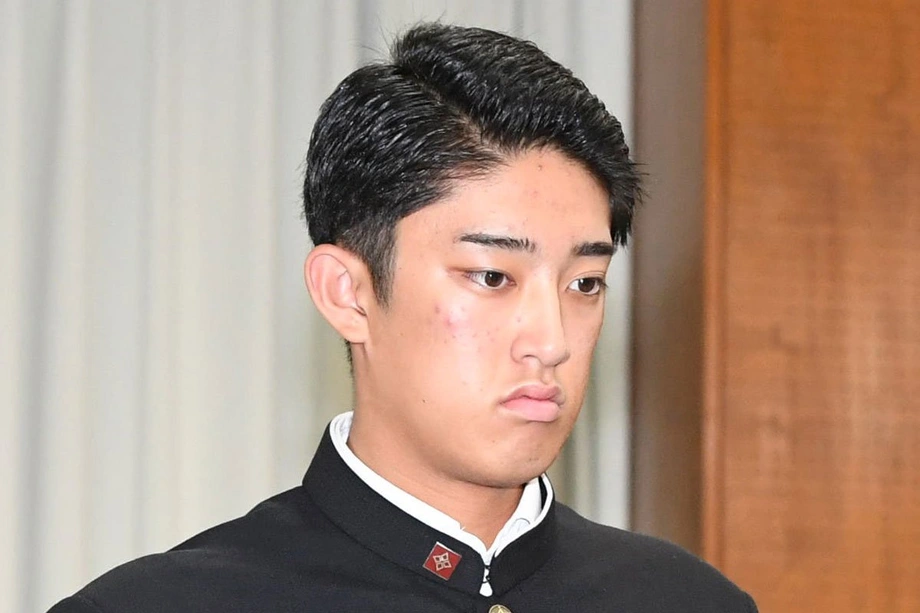
Shoki Oda, an 18 year old pitcher from Yokohama High School who throws up to 157 kph, had expected to begin his professional career in the United States. Now a labor dispute in Major League Baseball threatens to freeze the very contracts he hoped to sign, leaving his next move uncertain as the Yomiuri Giants wait with a first pick in Japan's amateur draft.
Contents
- A signing window is closing before it opens
- How did Oda become a major league target?
- Why does the labor dispute affect international signings?
- What dates will shape the decision?
- Why the Giants have become a real option
- What clubs say Oda could gain in the United States
- What happens if Oda chooses college?
- The Bottom Line
MLB's current labor agreement is due to expire on Dec. 1, 2026. If talks between the league and the players' union fail to produce a new agreement, a lockout could begin. A lockout is a work stoppage imposed by team owners, and it can prevent clubs from making certain player transactions. International amateur signings were first expected to remain possible because they are minor league contracts. More recent accounts say the negotiations may also freeze those deals, with the international draft proposal tied to the broader labor package.
Oda had been expected to become eligible to sign with an MLB club from Jan. 15, 2027. If the freeze applies, that opening date may pass without him being able to sign. He would then have to wait for a new labor agreement, consider the Giants, or choose another route such as college in the United States.
Oda has told people around him that his wish to play in America has not changed. The uncertainty now is whether the rules and timetable will let him act on it before the Giants' negotiating deadline of March 31, 2027.
How did Oda become a major league target?
Oda is one of Japan's most closely watched teenage pitchers. The Los Angeles Dodgers, who have a strong record of signing Japanese stars, sent three officials to Yokohama High on Nov. 14 and spent more than three hours presenting their development plans. The Dodgers praised Oda as one of the best 18 year old pitchers in the world, and he later held a meeting with the club that lasted nearly three hours.
By Nov. 17, Oda had met with as many as 12 MLB teams, including the Dodgers, New York Yankees, New York Mets, Texas Rangers, Toronto Blue Jays, St. Louis Cardinals, Houston Astros and Oakland Athletics. Oakland's Pacific Rim scouting coordinator Adam Hislop called Oda one of the world's top players among teenagers.
The meetings gave clubs a chance to explain training, facilities and the path from the minor leagues to the major leagues. They also let Oda compare what life in the United States might be like. The Athletics brought in Shota Morii, a former Tokyo high school player who signed with the club in 2025, to talk about his own experience in the minors. Morii's mother also attended.
Morii said he wanted Oda to hear what everyday life was like, not just what clubs promise about baseball. He described Oda as someone who seemed genuinely eager to go to the United States, while saying the best outcome would be a choice Oda would not regret.
I wanted to tell him first and foremost what life is like. I thought, he really wants to go to the United States.
That personal account matters because signing with an MLB club as a teenager means moving far from home and beginning in the minor leagues, where players work toward a major league place. The Rangers also included two way player Kim Seong-jun in their meeting to give Oda a first hand picture of minor league life.
Why does the labor dispute affect international signings?
Under MLB's international amateur rules, clubs can sign eligible players from outside the United States, Canada and Puerto Rico. In general, a player must be at least 16 and under 25, and have spent fewer than six years in a foreign professional league. The contracts are minor league deals, and each team must stay within an assigned pool of signing money.
The system has been used by well known Japanese players, including Shohei Ohtani, who moved from Nippon Ham to the Los Angeles Angels after the 2017 season, and Roki Sasaki, who joined the Dodgers from Chiba Lotte in 2024. Oda's expected January signing period would have placed him in the same broad category.
For months, the assumption was that minor league contracts would be outside a lockout's reach. The concern is that MLB has linked a proposed international draft to the labor negotiations. Under a draft, teams would select eligible young players in an assigned order rather than compete freely to sign them, and signing amounts could be set by draft position.
Accounts of which contracts would be frozen are not fully aligned. The initial expectation was that minor league deals could continue, and one account says existing minor league players may still be able to sign such contracts. Other reporting says a lockout could stop minor league agreements too. The shared concern for Oda is that a new international amateur signing may be blocked while the union and league negotiate. No official MLB or MLBPA statement or document confirms whether international amateur signings would be barred during a lockout.
What dates will shape the decision?
The calendar is unusually tight. The labor agreement is set to expire just weeks before the international signing period would normally begin, while the Giants' deadline arrives before a possible spring end to a lockout.
- Nov. 10, 2026: The Giants visit Yokohama High to meet school officials about their first pick. Oda is not present because he is meeting MLB clubs.
- Nov. 14: Dodgers executives spend more than three hours at the school explaining their plans for Oda.
- Nov. 17: Oda's MLB meetings conclude, with the Athletics and Astros among the clubs he meets.
- Dec. 1, 2026: The current MLB labor agreement is due to expire.
- Jan. 15, 2027: The ordinary international amateur signing period is expected to open.
- March 31, 2027: The deadline for Oda to negotiate with the Giants.
- April or May 2027: Some expect a lockout could last until around this period, though no end date has been set.
U.S. coverage has described a proposed Dec. 15, 2026, cutoff for the current international signing period, followed by a freeze on signings until the first international draft, which might not happen until late 2027 or early 2028. The underlying proposal is not available, and there is no settled official timetable for a first international draft. That is one possible transition plan, not a settled rule. If an international draft is adopted, Oda could have to wait to enter it, or negotiators could create an exception for players who had expected to sign from Jan. 15, 2027.
Why the Giants have become a real option
The Giants selected Oda first in Japan's Oct. 22 amateur draft despite knowing he wanted to pursue an MLB career. The club's negotiating period ends March 31, 2027. If he cannot sign in the United States before that date, the Giants could become the clearest immediate professional route.
Oda did not attend the Giants' Nov. 10 greeting. The team's general manager for baseball operations, Yuji Mizuno, and scout director Shinsuke Kurematsu met school officials instead. Mizuno asked for another opportunity to present the club's plans after Oda completed his meetings with American teams. New Giants manager Hideki Matsui has also shown interest in speaking with him directly.
Yokohama coach Hiroaki Murata said after the Giants' visit that Oda's desire to challenge himself in America had not changed. In separate comments about Oda's decision, Murata also described him as excited and wavering. The two remarks capture the choice in front of the pitcher: enthusiasm for the United States, alongside the weight of deciding where to begin his career.
Oda has put his position plainly.
My desire to challenge myself in America has not wavered at all.
That intention does not settle the practical question. A long delay could make the American path harder to plan, especially if the Giants' deadline arrives before MLB labor talks conclude.
What clubs say Oda could gain in the United States
Rangers assistant general manager Josh Boyd said American clubs can provide access to sports science, biomechanics and data based training, areas he said are somewhat ahead in the United States. Those tools study how an athlete moves and how training affects performance. Rangers executive Johnny Croom said going abroad at a younger age could help a player adjust sooner to a new language, culture and way of life.
Leonard Yang, an assistant in the Rangers' baseball operations department, said living in the United States could expose a player to new ideas and technology. The club used its meeting with Oda to learn what questions Japanese teenage players have and said it plans to strengthen support and scouting for Japanese players.
Yankees general manager Brian Cashman also said his club was studying Japan's amateur market as it considers whether more opportunities may open there. The Yankees met Oda on Nov. 11 with six staff members, including international scouting director Mario Garza. Cashman said the team did not want to miss a possible opening in the market.
Those club presentations describe potential benefits, but Oda's decision is also about daily life and personal fit. Morii's presence gave him one view of the minor leagues from a player who had made a similar move. Each club offered a different development plan, while the labor talks now threaten to delay the choice itself.
What happens if Oda chooses college?
College in the United States is another possible route. If Oda enrolls and follows that path, he would be eligible for the 2029 MLB draft, rather than signing as an international amateur in January 2027. That would give him time to develop in college, but it would also mean waiting several years before entering professional baseball.
His other route is to sign with the Giants by the March deadline. The choice is not simply between two clubs: it is between different development systems, timelines and living environments, with a labor dispute potentially narrowing the time available to decide.
The Bottom Line
- Shoki Oda, an 18 year old pitcher who throws up to 157 kph, has met with as many as 12 MLB teams.
- MLB's labor agreement expires Dec. 1, 2026, and international signings expected to open Jan. 15, 2027, may be frozen during a lockout, though no official MLB or MLBPA statement or document confirms whether they would be barred.
- The proposed international draft could change how young players are assigned to clubs, but its rules and timing are unsettled.
- The Yomiuri Giants selected Oda first in Japan's draft and can negotiate with him until March 31, 2027.
- Oda could also pursue U.S. college and become eligible for the 2029 MLB draft.