Two baseball leaders offer different visions for Ohtani
Sadaharu Oh has urged Shohei Ohtani to consider concentrating on batting after a season in which the Los Angeles Dodgers star hit 30 home runs but stopped pitching in early July. Hideki Kuriyama, the manager who helped Ohtani develop as both a pitcher and hitter, offered a different response: he expects his former player to surprise everyone again.
Contents
- Two baseball leaders offer different visions for Ohtani
- Why Oh wants Ohtani to explore batting alone
- What the season's numbers show
- Kuriyama sees a reason to expect more
- The dates behind the debate
- A project aimed at the next generation
- Building strengths instead of repeating faults
- Why young players are looking to America
- Key Points
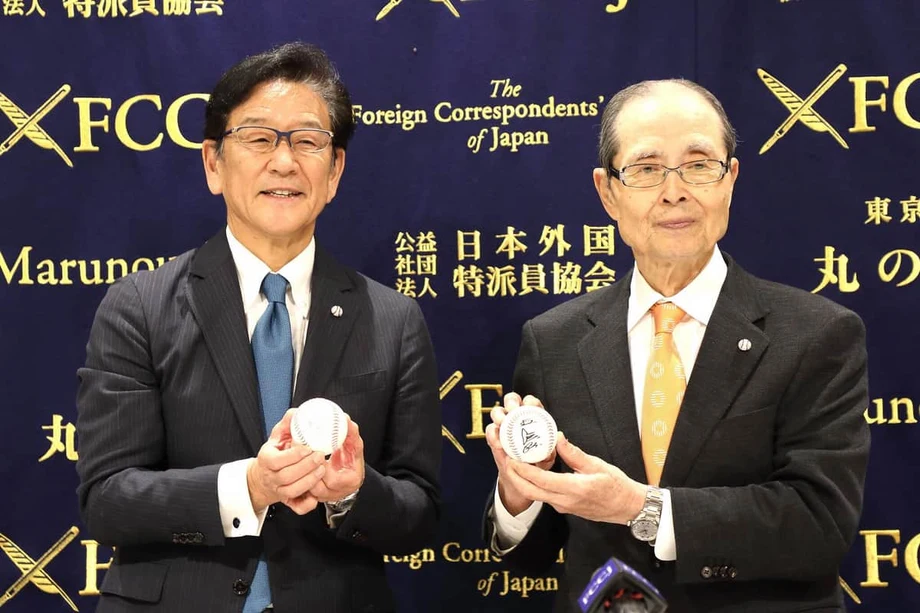
Speaking at the Foreign Correspondents' Club of Japan in Tokyo's Marunouchi district on November 13, 2026, the two Japanese baseball leaders addressed the same problem from different directions. Oh saw an opportunity for Ohtani to test his limits as a hitter. Kuriyama saw a difficult season that could drive another comeback.
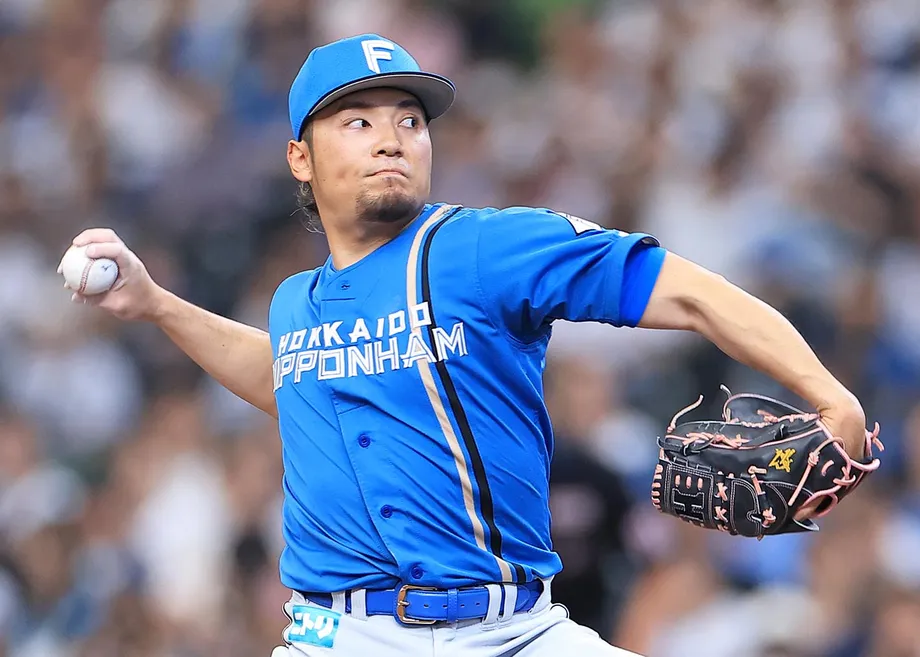
Ohtani, 32, finished the season with a .275 batting average, 30 home runs and 81 runs batted in. As a pitcher, he made 14 starts, recording eight wins, two losses and a 1.79 earned run average before discomfort in his left knee interrupted his pitching schedule. Knee and biceps problems affected his season, and he went on the injured list in September for the first time in three years.
The Dodgers have said Ohtani will continue pitching next season and have ruled out surgery during the break between seasons. Oh's suggestion therefore offers a different direction from the club's announced plan. No specific date for Ohtani's return to the mound was given.
Why Oh wants Ohtani to explore batting alone
Oh, 86, is chairman of the Fukuoka SoftBank Hawks and holds the world career home run record with 868, all hit for the Yomiuri Giants. His recommendation came from the perspective of a player whose reputation rests on extraordinary success at the plate.
Oh said maintaining the same standard as both a pitcher and hitter would become harder with age. He presented concentrating on batting as his personal view, giving Ohtani a different kind of challenge.
"Personally, I think he should focus solely on batting and challenge himself to see how far he can go," said Oh.
Ohtani's dual role requires him to perform two demanding jobs. A pitcher must prepare to throw accurately and powerfully, then recover between appearances. A hitter must repeatedly judge pitches and make contact against major league opponents. Ohtani has built his career around doing both.
Oh's proposal would make batting the centre of Ohtani's preparation and competitive life. His argument was about how much more Ohtani might achieve with that focus, rather than accepting that a change in role must mean a smaller ambition.
What the season's numbers show
Ohtani hit 54 home runs in 2024 and 55 in 2025, his first two regular seasons with the Dodgers. His total fell to 30 in 2026, a decline of 25 from the previous year, or about 45 percent. His batting average also slipped, from .310 in 2024 to .282 in 2025 and .275 in 2026.
A batting average of .275 means a player records a hit in about 27.5 percent of official at bats. His 81 runs batted in count runs credited to the outcomes of his batting appearances, including occasions when he drove teammates home.
Ohtani's pitching figures describe considerable success before his appearances stopped. His 1.79 earned run average means he allowed an average of 1.79 earned runs per nine innings pitched. Earned runs generally exclude runs resulting from fielding errors. The immediate difficulty was keeping him available to pitch across the season.
The Dodgers also finished short of their goal. They were eliminated in the National League Championship Series, the round that determines which National League team reaches the World Series, ending their attempt to win a third consecutive championship. Ohtani missed out on what would have been a fourth consecutive Most Valuable Player award.
Kuriyama sees a reason to expect more
Kuriyama, 65, coached Ohtani with the Nippon Ham Fighters and later led Japan to the 2023 World Baseball Classic title. His confidence comes from working with Ohtani at both club and international level.
Kuriyama responded with a smile to the difficulty of speaking after Oh's suggestion, then made his faith in Ohtani plain.
He is Shohei Ohtani. He will definitely surprise us.
Kuriyama acknowledged the frustration of a season disrupted by injuries. He argued that the disappointment could become a source of growth for a player who has repeatedly pursued goals outside baseball's usual division between pitching and hitting.
The former Japan manager described the season as a possible turning point.
"I think this disappointing season, including the injuries he suffered, will be a turning point that makes him an even greater player," Kuriyama said.
Oh and Kuriyama were discussing different possibilities for Ohtani's next chapter. Oh proposed a deliberate change in focus. Kuriyama expressed confidence in renewed achievement after injury. The decision about Ohtani's playing role rests with the player and the Dodgers, whose stated plan remains a return to pitching.
The dates behind the debate
Ohtani's relationship with Kuriyama began long before the Dodgers. In the 2012 draft, the Fighters selected him with their first pick even though he had publicly expressed an intention to begin his professional career in Major League Baseball. Kuriyama subsequently helped him establish his unusual combination of pitching and hitting in Japan.
The discussion in Tokyo also brought together the recent history of Ohtani's season and the baseball organisation represented by Oh and Kuriyama:
- 2012: The Nippon Ham Fighters selected Ohtani despite his stated intention to start his professional career in the United States.
- 2023: Kuriyama led Japan, with Ohtani on the team, to the World Baseball Classic title.
- May 2025: The Japan Baseball Council was established with Oh as its initiator.
- Early July 2026: Ohtani made his last pitching appearance of the season before left knee discomfort kept him off the mound.
- September 2026: Ohtani went on the injured list. The Japan Baseball Council also became a public interest foundation that month.
- November 13, 2026: Oh and Kuriyama discussed Ohtani and player development at their Tokyo press conference.
The next season is 2027. Kuriyama's prediction looks toward that campaign, while the Dodgers' plan calls for Ohtani to resume the dual role that injuries interrupted.
A project aimed at the next generation
Oh and Kuriyama appeared as representative and deputy representative of the Japan Baseball Council, also known as Kyushinkai. Kuriyama is also chief baseball officer of the Nippon Ham Fighters. Their press conference was intended to introduce the council's work to audiences in Japan and overseas.
The organisation's BEYOND OH! PROJECT aims to help create conditions in which new sporting figures can inspire children, including players capable of reaching beyond the achievements associated with Oh and Ohtani. Its activities cover participation, regional development, playing environments, coach education and international exchange.
Oh and Kuriyama identified practical problems facing Japanese baseball: fewer opportunities for children to begin playing, financial burdens and difficulties with the environments in which they train. Those concerns connect the debate about an exceptional professional player with a much wider question about access to the sport.
A child needs somewhere to play and a manageable way to participate before a coach can help develop talent. The council's agenda addresses those starting conditions alongside the methods used to train players who are already involved.
Building strengths instead of repeating faults
Oh argued that Japanese coaching has too often concentrated on correcting weaknesses rather than developing what a child already does well. He welcomed signs that coaches are changing their approach.
His example involved a young pitcher who struggles to throw into the strike zone, the area over home plate where a pitch can be called a strike without a swing. Repeatedly demanding better control may bring little immediate progress. Encouraging the child to throw faster could instead provide a visible improvement and make practice more enjoyable.
Oh's point concerned motivation as much as technique. A player who repeatedly hears about shortcomings may find practice discouraging. Recognising a strength gives that player something positive to work on and a way to experience progress.
Oh, describing the changes he sees in youth coaching, said:
I'm glad to see that the Japanese baseball world and those who coach young players are also beginning to change.
Kuriyama identified another practical issue: Japan has detailed methods for teaching pitching, batting and fielding, but coaches and teams have often accumulated experience separately. Sharing those methods would allow more children to benefit from knowledge that already exists within the sport.
Why young players are looking to America
Kuriyama also addressed young Japanese players who consider bypassing Nippon Professional Baseball to attend university or pursue professional opportunities in the United States. He acknowledged that American training environments can appeal to both players and their parents.
His response was to improve the choices available in Japan rather than try to stop players leaving. Kuriyama said Japanese baseball should build an environment attractive enough that a young player with the opportunity to go abroad might still choose to stay.
Kuriyama, who managed the Fighters for a decade before taking charge of Japan's national team, put the individual player's needs first.
The most important thing is to find the best option for each player.
Ohtani's own history gives that argument a concrete connection to the present debate. He wanted to begin in the major leagues, yet the Fighters became the setting in which he developed as a pitcher and hitter under Kuriyama. His career illustrates why the details of a development opportunity matter to a young player's choice.
Oh also reflected on his own career, saying he had not considered playing in the United States and that the rules of his era prevented such a move. He believed he could have had success there, while acknowledging the demands of the American schedule and travel. For today's players, Kuriyama's proposed response is to make Japan's strengths more useful and accessible, through better environments and greater sharing of coaching knowledge.
Key Points
- Sadaharu Oh suggested Ohtani concentrate on batting to explore how much he could achieve in that role.
- Ohtani finished 2026 with 30 home runs and a .275 average, while recording eight wins and a 1.79 earned run average in 14 pitching starts.
- Left knee discomfort interrupted his pitching after early July. Knee and biceps problems affected his season.
- The Dodgers have ruled out surgery during the break between seasons and say Ohtani will continue pitching in 2027.
- Hideki Kuriyama expects Ohtani to respond to the disappointing season with renewed success.
- Oh and Kuriyama also called for coaching that develops children's strengths, wider sharing of training methods and better playing environments in Japan.