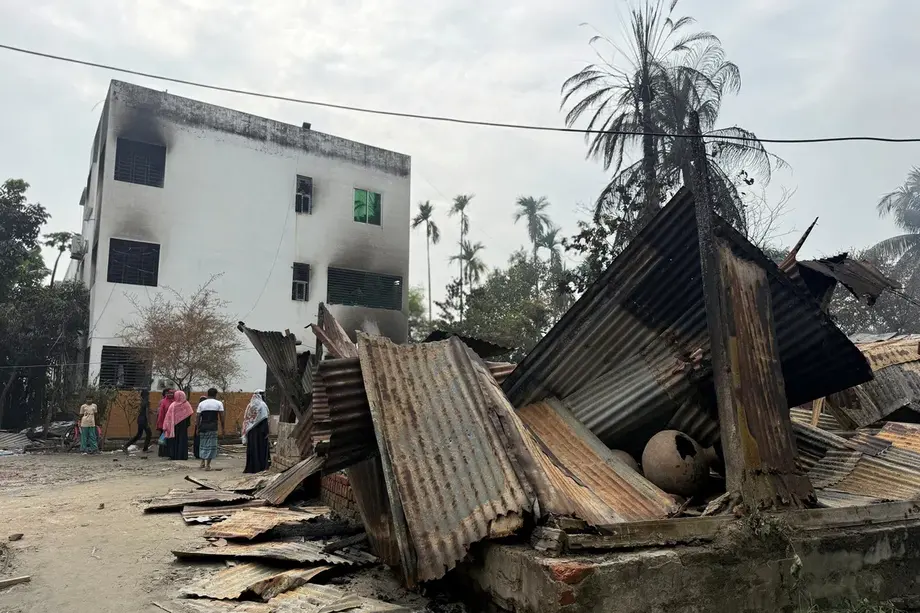
Violence spreads ahead of November 19 shutdown
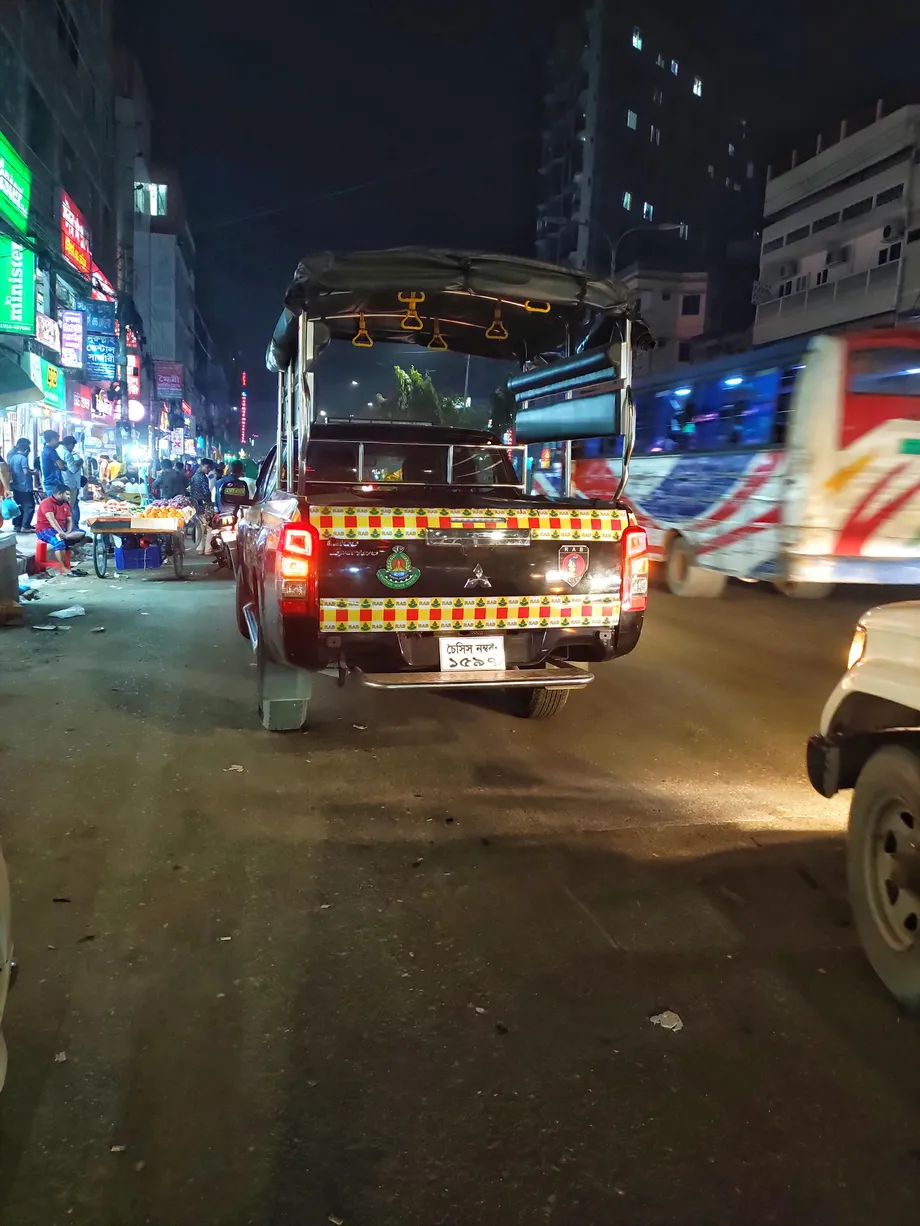
Bangladesh deployed hundreds of paramilitary personnel nationwide on November 18, 2026, after clashes, crude bomb explosions and vehicle fires spread across at least 28 districts over 10 days, amid a campaign supporting former Prime Minister Sheikh Hasina's proposed return from India in December.
Contents
- Violence spreads ahead of November 19 shutdown
- Fatal attacks and fires hit several districts
- How the Tungipara police station was overwhelmed
- Gopalganj receives reinforcements and new officials
- Who authorities blame, and where labour protests fit
- Bank attacks and a campaign of disruption
- A return would carry immediate legal consequences
- India holds the key to an agreed transfer
- Diplomatic work continues despite the crisis
- Key Points
A bus company helper died when two buses were set on fire in Pirojpur on November 18, authorities said. In Gopalganj, Hasina's home district, attacks burned a police station and a lawmaker's residence. Grameen Bank said at least 37 branches and offices had been targeted by arson or attempted fires since November 10.
The escalation comes before a nationwide shutdown called by the Awami League for November 19. The party, whose political activities are banned, has organised protests demanding that Hasina be allowed to return. Bangladesh's government has rejected her request for travel and identity documents and insists that her transfer should take place through its extradition treaty with India.
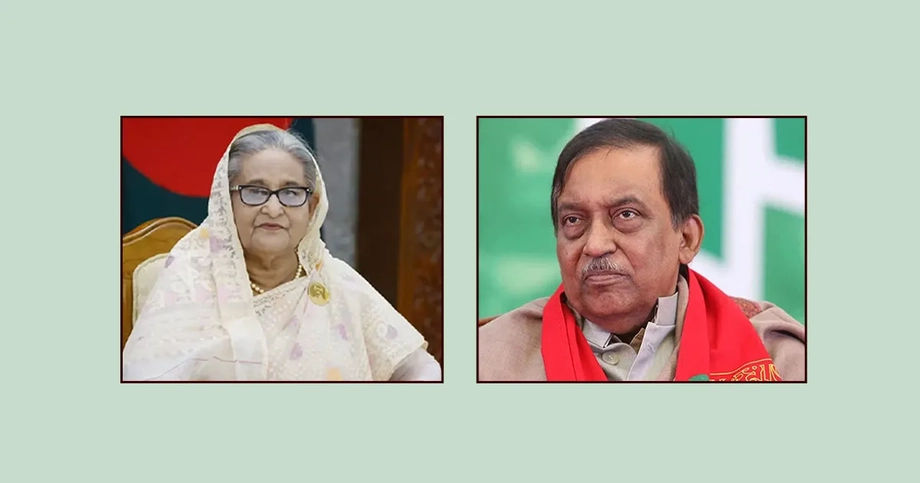
Hasina has lived in India since August 2024, when a student uprising ended her 15 years in power. Bangladesh's International Crimes Tribunal sentenced her to death in her absence on November 17, 2025, over the deadly crackdown on that uprising. She denies wrongdoing and rejects the proceedings.
No precise return date or agreed transfer arrangement has been announced. India has acknowledged Bangladesh's extradition requests but has announced no decision. Meanwhile, residents, transport workers, businesses and police are facing the immediate consequences of the unrest.
Fatal attacks and fires hit several districts
Police identified a BNP activist killed in Gopalganj as Raju Mollah. Senior police officer Md Shamsul Azam described a petrol bomb attack; accounts placed the death late on November 17 or on November 18. Police had not publicly identified the attackers.
Bangladesh Police spokesperson Kamarum Munira said seven police personnel were injured and eight vehicles damaged in the violence. A police armoured personnel carrier and a police box were among the public property attacked, while the July Memorial and a nameplate at Hadi Chattar were damaged.
In Dhaka, a crude bomb exploded outside Cultural Affairs Minister Nitai Roy Chowdhury's residence on the night of November 17. Earlier, two crude bombs exploded near Hazrat Shahjalal International Airport on Monday night, injuring three pedestrians. Airport Police Station officer in charge Kamrul Islam Talukdar said the devices were thrown from a flyover, with explosions near the airport's outer gate and the Jasimuddin area.
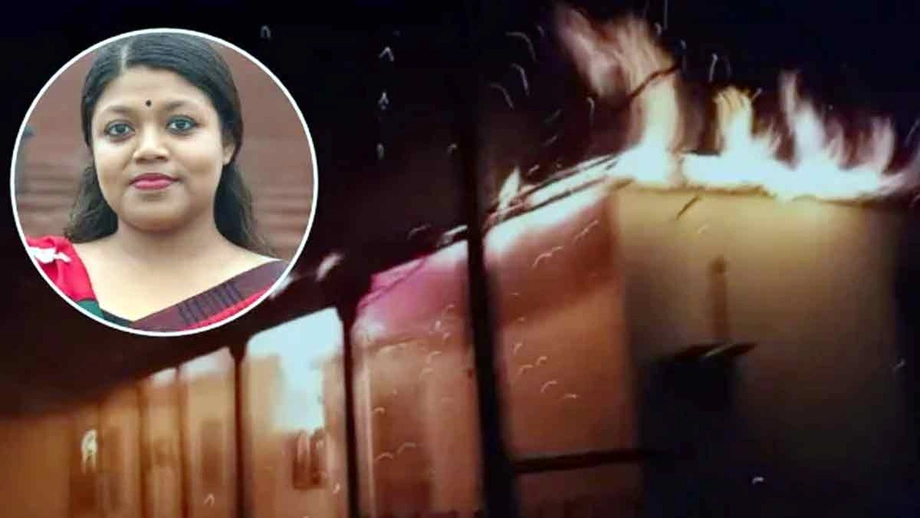
Other attacks have targeted trains, buses and banks. A bus driver died after becoming trapped in a burning bus in Faridpur earlier in the unrest. On November 12, the home of National Citizen Party lawmaker Nusrat Tabassum was reportedly attacked with a firebomb.
In Gazipur, protesters set fire to a vehicle belonging to a deputy police commissioner on the Dhaka–Mymensingh highway. Roadblocks have also disrupted travel around Gopalganj and the Dhaka–Bhanga Expressway, where hundreds of vehicles were stranded during a November 10 blockade near the Padma Bridge toll plaza.
How the Tungipara police station was overwhelmed
The November 17 attack on Tungipara Police Station became one of the most serious confrontations. Local accounts described supporters gathering after news and rumours spread that Awami League activists had been detained. Announcements over mosque loudspeakers reportedly drew more people to the station.
Mohammad Mostofa Kamal, a local BNP activist, described the crowd's actions:
A few hundred people laid siege to the police station and set it on fire,
Police used tear gas, rubber bullets and sound grenades before withdrawing, according to accounts of the confrontation. Attackers then entered the station and reportedly freed detainees. The nearby home of SM Jilani, the BNP lawmaker for Gopalganj-3, was also burned.
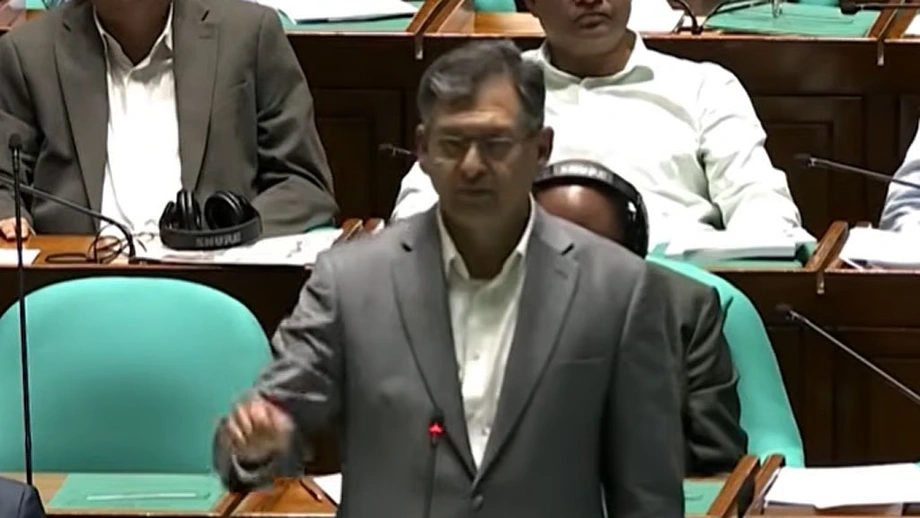
The Tungipara station attack prompted Home Minister Salahuddin Ahmed to promise identification of those responsible through video, audio recordings and photographs. He told parliament that about 200 law enforcement personnel had been inside the station and instructed security forces to avoid excessive force. Roadblocks and security risks also prevented firefighters from reaching some affected locations.
Gopalganj receives reinforcements and new officials
Gopalganj's security deployment expanded in stages. Three Border Guard Bangladesh platoons arrived on November 10, another three were deployed on Sunday, and four more joined on Monday, taking the total to 10. About 2,000 police personnel and members of the Special Response Battalion were also reported deployed in the district.
Border Guard Bangladesh headquarters said its personnel were operating in support of the civilian administration under Home Ministry instructions. Officers were equipped with cameras worn on their bodies, while drones and live video feeds helped headquarters monitor operations. Armoured personnel carriers were available for responding to further violence.
District BNP convener Sharif Rafiquzzaman said some party members in Gopalganj town and Tungipara had left their homes to stay with relatives because they feared attacks. Schools, colleges, offices and courts remained open on Monday, but streets were quieter and traders described fewer customers.
The government also changed senior local officials. GM Sarfaraz replaced district administrator Arif-uz-Zaman, while Pratyush Kumar Majumder replaced police superintendent Md Habibullah. The officers in charge of Tungipara, Kotalipara and Kashiani police stations were transferred to Kishoreganj.
Police said they were conducting operations after attacks on homes, businesses and officers. Subinspector Moslem Ali, who had filed a case over an earlier attack on a police vehicle in Tungipara, was reportedly wounded in a machete attack.
Who authorities blame, and where labour protests fit
Home Minister Salahuddin Ahmed has accused Awami League leaders abroad of encouraging supporters to burn property and destabilise Bangladesh. Police have also linked attacks to the party and affiliated organisations. Many senior Awami League leaders are abroad or in hiding, and no response from them to the latest accusations was available.
Dhaka Metropolitan Police spokesperson Niaz Mehedi said at least 71 members of banned organisations were arrested in the preceding 24 hours. Earlier police operations between November 1 and 7 reportedly resulted in 21 arrests over bomb explosions and 898 arrests of people linked to the Awami League. Those figures cover different operations and periods.
Garment workers have also been demonstrating in Dhaka, Gazipur and Savar, demanding that the minimum monthly wage rise from Tk12,500 to Tk30,000. That is an increase of Tk17,500, or 140 percent. Hundreds of factories suspended production amid clashes and damage to property.
Ahmed alleged that Awami League supporters were exploiting those protests. Addressing parliament on November 17, he said:
Some opportunists disguised as workers have infiltrated the labour unrest,
Workers' wage demands remain a substantial cause of the demonstrations. Prime Ministerial information adviser Zahed Ur Rahman acknowledged Awami League links to protest violence but disputed the claim that the violence was intended to enable Hasina's return. Government officials therefore agree on alleged party involvement while offering different explanations of its purpose.
Bank attacks and a campaign of disruption
Grameen Bank said at least 37 branches and offices had been targeted by arson or attempted fires since November 10, including 14 attacks since midnight on November 17. The bank was founded by Nobel Peace Prize laureate Muhammad Yunus, who led the interim government after Hasina's removal and has faced hostility from her supporters.
The attacks on banks sit alongside repeated efforts to disrupt transport. Nineteen buses were reportedly burned and explosions occurred at 27 locations between November 7 and 9. At least 22 incidents involving arson or crude bombs were reported on November 9 and 10. The reporting periods overlap, so those figures cannot simply be added together.
The Awami League and its banned student organisation, the Bangladesh Chhatra League, have announced strikes, blockades and rallies online. The latest protest programme culminates in the November 19 shutdown. Party figures in hiding have also expressed uncertainty about how Hasina's declared return could be carried out and concern that unsuccessful mobilisation could expose supporters to further arrests.
The main dates show how the campaign and security response developed:
- August 2024: Hasina fled to India after the uprising ended her government.
- November 17, 2025: The International Crimes Tribunal sentenced her to death in her absence.
- November 9, 2026: Her request for a passport and national identity card became public.
- November 10: A blockade brought road disruption and clashes, including in Gopalganj.
- November 17–18: Attacks on a police station, homes and buses intensified the security crisis.
- November 19: The Awami League has called a nationwide shutdown.
- December: Hasina says she intends to return; police plan additional deployments throughout the month.
A return would carry immediate legal consequences
Hasina's proposed homecoming would bring her within reach of a death sentence and further criminal proceedings. The November 2025 verdict convicted her of crimes against humanity linked to the suppression of the 2024 uprising, including incitement, ordering killings and failing to prevent atrocities.
The full judgment was published on January 13, 2026. Tribunal officials say the law allowed 30 days to appeal and that Hasina missed that deadline. Bangladesh's authorities now say she has no further appeal available and would face execution if returned.
Six further cases against her are pending before the tribunal. She is also reported to face 673 cases across Bangladesh, including 457 involving murder allegations. The tribunal ordered confiscation of her property in Bangladesh alongside the death sentence.
Amnesty International has described the trial as rushed and unfair, citing limited preparation time for the court appointed defence lawyer and an inability to cross examine witnesses or challenge contradictory evidence. Hasina has repeatedly rejected the tribunal's legitimacy.
Her latest campaign follows an earlier return pledge and an appeal to the United States for inclusive elections and independent courts. The Awami League was excluded from the February 2026 parliamentary election that brought Prime Minister Tarique Rahman's BNP to power.
India holds the key to an agreed transfer
Hasina's lawyers sought a new passport and national identity card through Bangladesh's High Commission in New Delhi. Diplomatic sources said the application lacked documents proving her authorisation. Bangladesh rejected the request, while BNP Joint Secretary General Khairul Kabir Khokon called it a political stunt intended to create instability.
Dhaka first requested extradition through a formal diplomatic message in December 2024 and has followed up since. Extradition is the legal process by which one country transfers a person to another to face prosecution or punishment. It requires decisions under the countries' treaty and domestic laws.
Law Minister Md Asaduzzaman says Bangladesh has completed the necessary legal steps. State Minister for Foreign Affairs Humayun Kabir has urged Hasina to ask India to transfer her under the treaty rather than seek new travel documents. Indian Ministry of External Affairs spokesperson Randhir Jaiswal has maintained that the request is a legal matter to be handled accordingly.
Accounts of private diplomacy describe Indian interest in a transfer involving Bangladesh's military, with assurances that Hasina could appeal and receive a new trial. Bangladeshi diplomatic sources have disputed the account of proposed conditions. Neither government has publicly announced such an agreement.
Human rights protections are also part of the international debate. Six British parliamentarians have asked their government to seek guarantees against execution, disappearance, torture and political violence, together with access to lawyers of Hasina's choice, independent scrutiny and a political dialogue involving victims, parties and civil society.
Diplomatic work continues despite the crisis
The extradition dispute is unfolding alongside wider efforts to manage India–Bangladesh relations. The fifth round of the bilateral Consular Dialogue, scheduled in Dhaka for November 17–18, was postponed. A replacement date has not been announced; revised travel arrangements are expected to be discussed when the meeting is rescheduled.
Jaiswal said India continues to engage Bangladesh through established mechanisms covering trade, railways, water resources and border management. New Delhi says it wants a positive and constructive relationship with Dhaka.
Those channels concern practical needs beyond Hasina's fate, from cross border travel to commerce and shared water management. Her presence in India remains a prominent source of tension, while the violence inside Bangladesh adds an urgent security problem to an already difficult legal negotiation.
The immediate test is the November 19 shutdown. Police are preparing additional deployments and increased intelligence surveillance through December, while Bangladesh continues to seek Hasina's transfer and India considers its response.
Key Points
- Bangladesh deployed hundreds of paramilitary personnel on November 18 after violence spread across at least 28 districts.
- Fatal attacks, vehicle fires and bombings have affected transport workers, political activists, police and pedestrians.
- Grameen Bank says 37 branches and offices have been targeted since November 10.
- The Awami League has called a nationwide shutdown for November 19 in support of Hasina's return.
- Hasina intends to return in December, but no date or transfer agreement has been announced.
- Bangladesh seeks her extradition to face a death sentence; India has announced no decision.