Police station and lawmaker's home burned in Tungipara
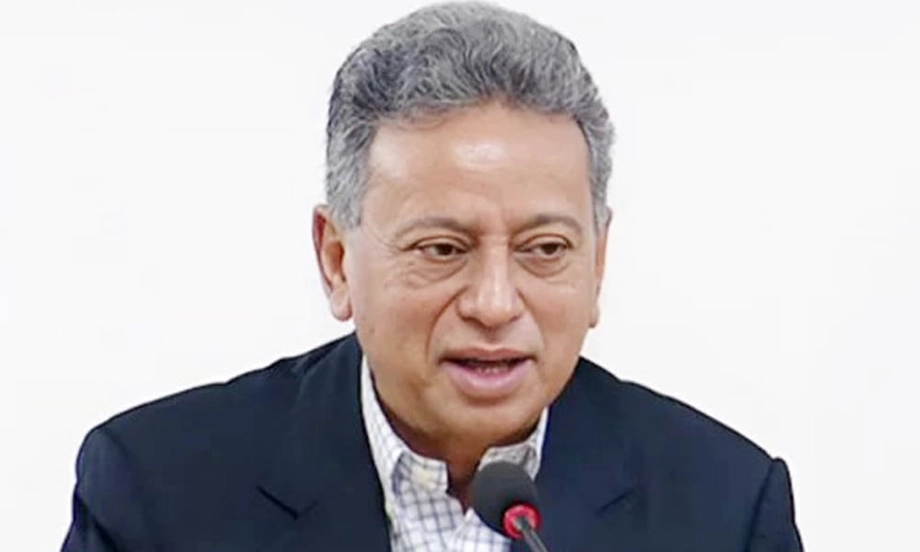
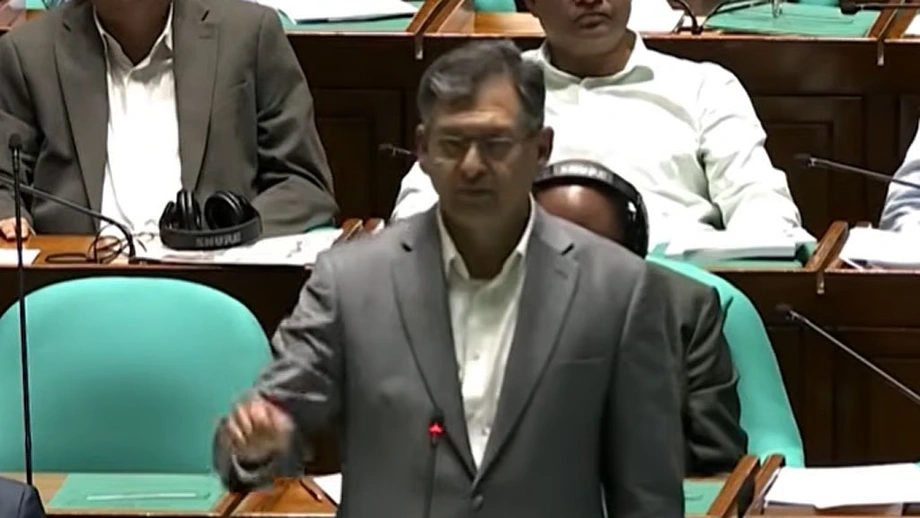
Bangladesh Home Minister Salahuddin Ahmed has promised to identify attackers through video, audio recordings and photographs after a police station, security vehicles and a lawmaker's home were set on fire in Tungipara, Gopalganj, on November 17, 2026.
Contents
- Police station and lawmaker's home burned in Tungipara
- Arrests preceded the siege
- How the evening unfolded
- Fire crews could not reach several locations
- Minister promises identification through recordings
- Restraint orders face a difficult situation on the ground
- Opposition seeks answers after days of unrest
- Garment wages were the original focus of the debate
- Labour protests and political accusations converge
- Key Points
Police Headquarters spokesperson Kamarum Munira confirmed at about 9:10pm that Tungipara Police Station had been attacked and set ablaze. Local administrator Mohammad Didarul Alam said the home of SM Jilani, the BNP lawmaker for Gopalganj-3, was also burned between 8:30pm and 9:00pm near Patgati Bazar, about 1.5 kilometres from the station.
Salahuddin blamed activists of the Awami League, whose political activities are banned, and its affiliated organisations. He told parliament that about 200 law enforcement personnel were inside the station and that additional forces were positioned four to five kilometres away.
The violence followed arrests of party activists and announcements over mosque loudspeakers that reportedly brought supporters to the station. Witnesses described police using tear gas, rubber bullets and sound grenades before withdrawing, after which attackers entered and reportedly freed detainees.
The minister's response combined a promise of prosecutions with instructions to avoid excessive force. For residents, the immediate consequences stretched beyond the station: roads were blocked, other fires were reported and firefighters said security risks prevented them from reaching affected locations.
Arrests preceded the siege
Police reportedly detained Awami League and Chhatra League activists before the confrontation. Local accounts described arrests during the day and further detentions in the evening around Patgati. Supporters then gathered to demand their release.
People carrying sticks were among those who surrounded the station after dusk. Announcements over mosque loudspeakers reportedly helped draw the crowd. Police attempts to disperse it led to clashes and chases before officers retreated for safety.
Didarul Alam, Tungipara's Upazila Nirbahi Officer, the chief local administrative official, said he had received information that attackers entered after arrests, burned vehicles and took detainees away. Police had not given a confirmed number of people released from custody.
Local witnesses also alleged that firearms were taken. Didarul Alam said he had received no report of weapons being looted, while opposition leader Shafiqur Rahman told parliament that retreating officers had taken weapons with them. A confirmed weapons inventory, injury count and full damage assessment had not been announced.
How the evening unfolded
Police and local officials described several incidents across Tungipara during the evening. The station siege, roadblocks and fires at other locations complicated both the security response and access for emergency crews.
- Before the siege: Police reportedly arrested several Awami League and affiliated activists, prompting supporters to mobilise.
- Around 7:30pm: Violence and roadblocks were reported, including fires near Nilfa Bazar on the Gopalganj-Tungipara road.
- After dusk: A crowd surrounded the police station. Police reportedly used tear gas, rubber bullets and sound grenades before withdrawing.
- Between 8:30pm and 9:00pm: The home of lawmaker SM Jilani was set on fire, according to the local administrator.
- Around 8:45pm: Police Headquarters Deputy Inspector General Mohammad Abu Sufian said headquarters had received information that the station was surrounded and was gathering details.
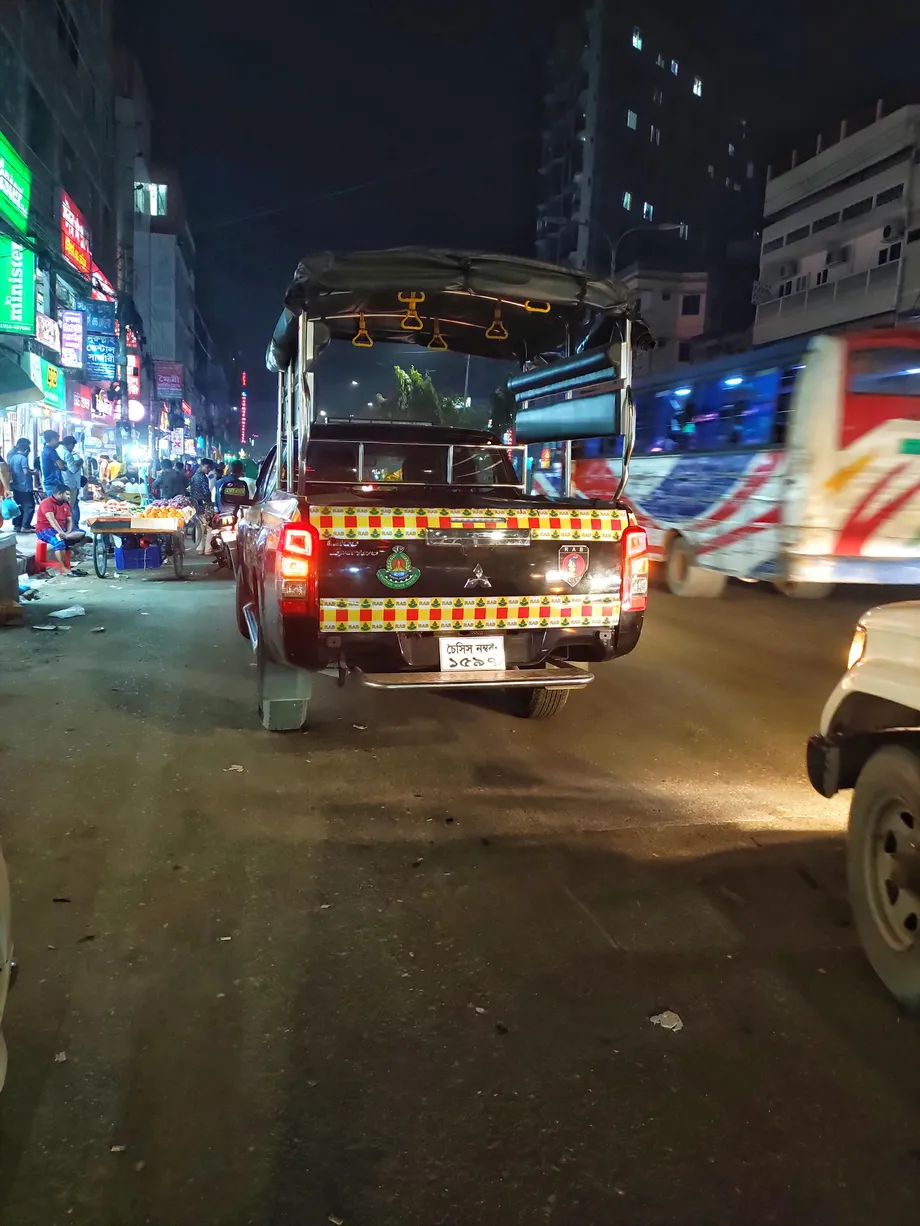
- Around 9:00pm: Four vehicles, including two belonging to Border Guard Bangladesh, were reportedly burned near Nilfa Bazar.
- Around 9:10pm: Police Headquarters spokesperson Kamarum Munira confirmed the station attack and fire.
Videos circulating on social media showed vehicles burning inside the station compound and people chanting slogans supporting the Awami League. Some participants carried sticks, while others recorded events on phones.
Fire crews could not reach several locations
Eskander Sheikh, acting station officer of Tungipara Fire Service, said crews received reports of fires at the police station, Chowrangi intersection and houses in Bashbaria. He said firefighters needed adequate protection from law enforcement personnel before they could proceed.
Road obstructions added another difficulty. Vehicles carrying reinforcements were reportedly blocked near Nilfa Bazar, where trees had been felled across the road. Barricades were also reported at Khalek Bazar, Patgati intersection, Barni and other points.
Md Shahjahan, duty officer at the local Fire Service and Civil Defence control room, described why engines had not reached the fires.
We have received news of the fire and our engines are on the road. However, we are unable to proceed due to security concerns.
The blocked access meant that an emergency response depended on restoring safe passage. Fires were being reported at several locations while police, Border Guard Bangladesh and other personnel were trying to reach the area.
Minister promises identification through recordings
Salahuddin said authorities held recordings of people using mosque loudspeakers to call for an attack on the station. He promised action against those involved in attacking officers, burning vehicles and creating disorder.
The home minister told parliament that investigators would use several kinds of recorded evidence to identify individuals.
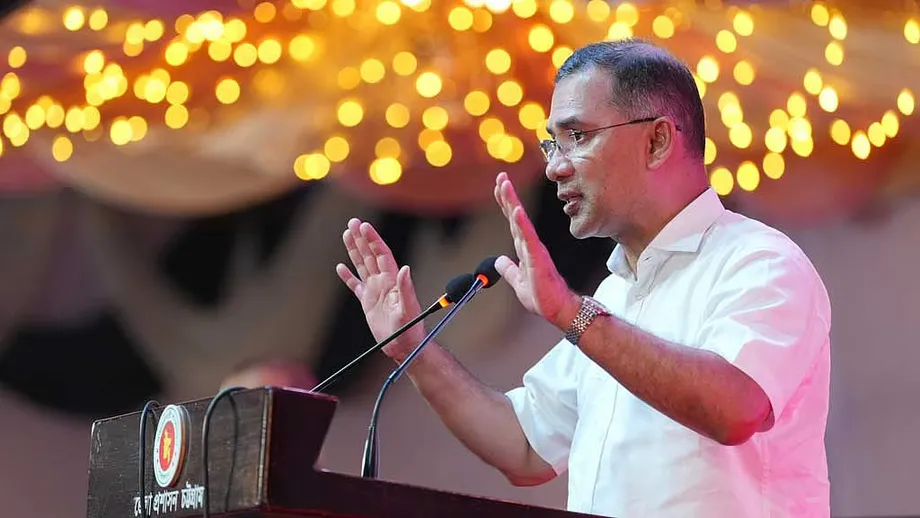
Today or tomorrow, those who attacked the police station, assaulted or attacked law enforcement personnel, caused unnecessary suffering to people on the streets or attempted to create instability in the name of protests will all be identified through video footage, audio recordings and photographs and brought under the law.
A Facebook Live broadcast reportedly showed a man identified as HM Rubel Farazi threatening to burn the station. The authenticity and full circumstances of that footage had not been independently verified.
Salahuddin also alleged that former Awami League ministers, lawmakers and leaders abroad had circulated social media messages encouraging arson. He urged Gopalganj residents not to respond to such incitement. The allegation of direction from across the border was part of the government's account of the unrest.
Restraint orders face a difficult situation on the ground
Salahuddin said the personnel inside the station included two additional superintendents of police, an assistant superintendent of police and the officer in charge. Members of the Special Response Battalion, Border Guard Bangladesh and police were positioned four to five kilometres away, he said.
The minister argued that a more forceful response could have caused many casualties. He said the government would exercise patience to protect innocent people, while allowing officers to use necessary force in self defence.
Salahuddin described the limit he said the government had placed on the security response.
We believe in the principle of protecting the innocent. If necessary, we will show patience towards 10 criminals for some time, but an innocent person must not be shot.
Witnesses nevertheless described the use of tear gas, rubber bullets and sound grenades during the station confrontation. The minister's stated policy allowed force to protect officers and maintain order, while prohibiting excessive force.
For Tungipara, the practical challenge was immediate: protect people near the crowds, secure the station and roads, and create conditions in which firefighters could work.
Opposition seeks answers after days of unrest
Opposition leader Shafiqur Rahman, who also heads Jamaat-e-Islami, raised the Tungipara attacks during a parliamentary debate on the garment industry. He asked what visible measures the government had taken beyond transferring senior local officials.
Authorities had transferred Gopalganj's deputy commissioner, superintendent of police and three officers in charge after earlier violence. Rahman also cited information about possible further sabotage on November 19, making that date an immediate concern in the parliamentary discussion.
The Tuesday attacks followed several days of unrest. BNP and Jubo Dal offices in Tungipara were reportedly vandalised and burned on Saturday night. On Sunday, Awami League processions were accompanied by damage to public property and clashes with police. On Monday, party activists reportedly broke open their local office and held a meeting.
In nearby Faridpur district, Raju Molla, 34, a joint organising secretary of the Krishak Dal unit in Bhanga, died during violence surrounding a procession supporting the Awami League. Witnesses said a crude bomb exploded near him. Additional Superintendent of Police Md Raihan Gafur said police could not immediately confirm the cause of death.
Garment wages were the original focus of the debate
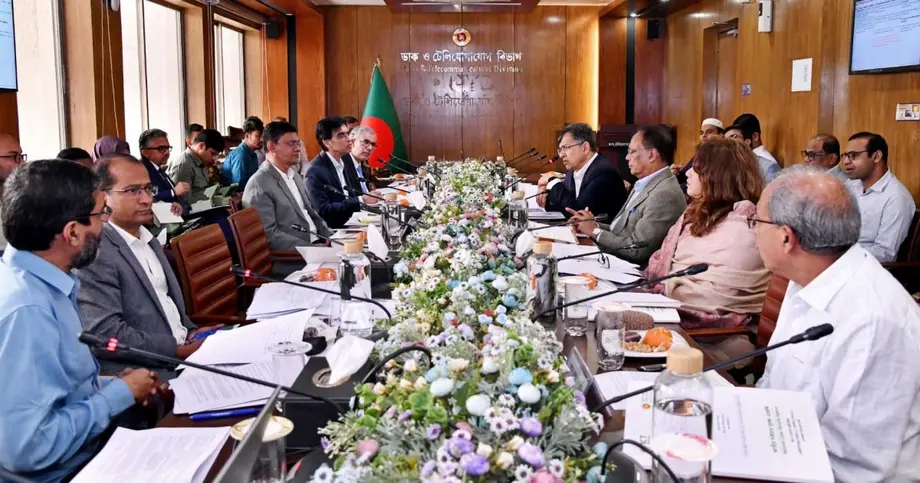
Parliament was discussing a motion under Rule 147 of its Rules of Procedure, introduced by Jamaat-e-Islami lawmaker Muhammad Nazibur Rahman of Pabna-1. The discussion took place on the seventh day of the fourth parliamentary session.
Nazibur said inflation had put workers under severe pressure and claimed that 90 per cent struggled to live on their wages. He called for fair pay, reliable gas and electricity supplies, action against extortion and a parliamentary taskforce to address the industrial crisis.
Salahuddin said a six member wage board would examine proposals from employers and workers before setting a new minimum wage. A wage board brings representatives of the two sides into a formal process to decide the lowest permitted pay.
The minister said the review interval had been shortened from five years to three, with the current three year period ending in December. That cuts the interval by two years, or 40 per cent. The new wage amount had not been announced, and he said the board's deadline had not yet passed.
Salahuddin said employers had been asked to propose wages that reflected inflation and living costs. He also cited rice distribution for industrial workers at Tk30 per kilogram and plans for six specialised hospitals, each with 100 beds, in six industrial areas. Project preparation for the hospitals was under way.
Labour protests and political accusations converge
Salahuddin alleged that people acting from across the border were exploiting wage demands to prolong unrest. He named Kaliakair, Gazipur, Savar, Ashulia, Hemayetpur and Uttara among the affected industrial areas, and referred to attacks on footwear and telephone industries and a recent pharmaceutical factory fire in Gazipur.
Roadblocks in Uttarkhan, Dakshinkhan and the Airport Road area were also discussed. The minister said police had held talks with labour leaders, used restraint and kept one side of a road open. He said employers and worker representatives had agreed to resume work and accept the wage board's decision.
Several lawmakers also described pressures on factories. Gazipur-4 MP Salahuddin Aiyubi cited extortion, energy shortages, land registration costs and customs and VAT difficulties. Opposition leader Rahman warned that factory closures and unpaid loans could spread the damage to workers and banks.
The home minister used the debate to make a broader political declaration, saying the Awami League would not be allowed to return to politics. He described the party as reduced to "Awami League Tungipara Limited" and accused its former government of undemocratic rule over 15 to 16 years.
Salahuddin said the government wanted the return of Sheikh Hasina and other fugitive leaders handled through the extradition treaty. Extradition is the legal process through which one country asks another to hand over a person for prosecution or punishment. He said questions about appeals against International Crimes Tribunal verdicts belonged to the courts.
The minister also condemned an alleged attempted attack in the United Kingdom on National Citizen Party convener and lawmaker Nahid Islam. He said the Bangladesh embassy and British authorities had been asked to pursue appropriate legal action. He referred as well to mistreatment of former chief adviser Muhammad Yunus abroad.
Key Points
- Police confirmed that Tungipara Police Station was attacked and set on fire on November 17.
- Local authorities also confirmed a fire at the home of BNP lawmaker SM Jilani.
- Attackers reportedly freed detainees after police withdrew during clashes.
- Firefighters said security risks prevented access to several reported fires.
- Home Minister Salahuddin Ahmed blamed Awami League activists and promised identification through recordings and photographs.
- The minister said officers could use necessary force in self defence, but not excessive force.
- Opposition leader Shafiqur Rahman sought stronger protective measures and warned of possible further sabotage on November 19.
- A new garment minimum wage remained under consideration, with the current three year wage period ending in December.