A daily death toll and a Rs 560 million bill
About 20,000 people in Sri Lanka die each year from illnesses linked to alcohol and drug use, according to Amarnath Thanna, programme director of the Alcohol and Drug Information Centre (ADIC). That amounts to roughly 55 deaths a day. He also put daily spending on drugs and alcohol at about Rs 560 million, describing a financial burden that falls heavily on people with low incomes.
Contents
- A daily death toll and a Rs 560 million bill
- How much are people spending?
- Alcohol costs extend beyond the purchase price
- What the health warning means for families
- Drug seizures reveal the pressure on enforcement
- Young people face disrupted education and arrests
- Why a seizure can take months to reach court
- Following the money behind trafficking
- Key Points
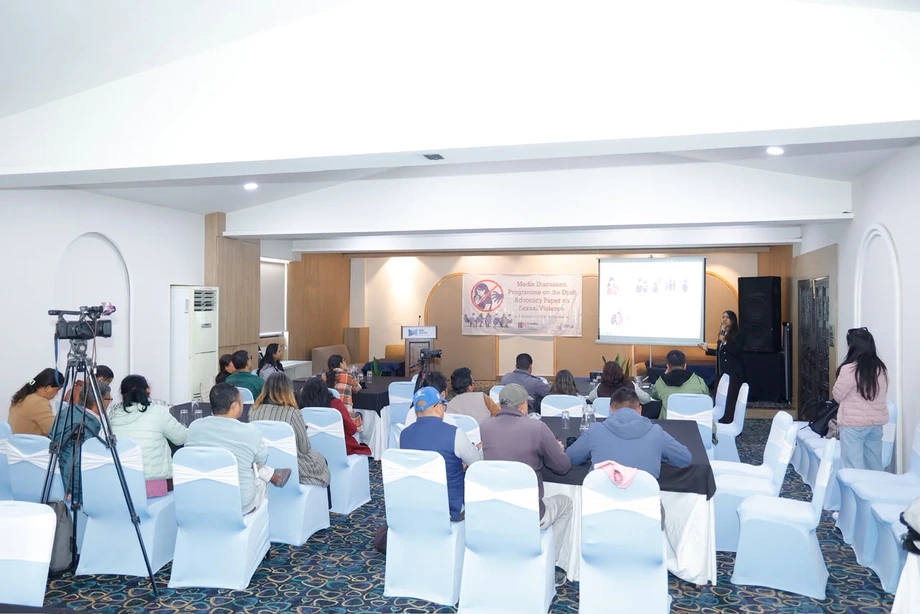
Thanna presented the figures during an awareness programme for Anuradhapura district journalists at the Kristen Park Hotel. Organised by ADIC, the session focused on the harm associated with substance use and the responsibility of journalists to explain its effects on families and communities.
The warning brings together several pressures: deaths from disease, money diverted from household needs, interrupted education and a criminal justice system struggling to process drug cases. Large seizures are taking place alongside lengthy waits for laboratory reports and trials.
ADIC executive director Sampath de Seram has separately estimated that alcohol alone accounts for about 50 deaths a day, or between 15,000 and 20,000 annually. Thanna's figure covers the broader discussion of alcohol and drugs, while de Seram's estimate concerns alcohol specifically.
These figures put prevention and treatment alongside policing as immediate public concerns. For a household already struggling to pay for food, transport or schooling, regular spending on alcohol or drugs can reduce the money available for those needs. Illness can add treatment expenses and interrupt earnings at the same time.
How much are people spending?
Thanna's estimate of Rs 56 crore a day is equivalent to Rs 560 million. A crore means 10 million. If that daily amount continued throughout a year, spending would reach approximately Rs 204.4 billion, calculated by multiplying Rs 560 million by 365.
Thanna, ADIC's programme director, described the income circumstances of many people using drugs:
Most of those who use drugs are low income earners.
The spending estimate gives a national scale to that concern, although household experiences will vary. The money is paid a little at a time, while the total builds across millions of purchases. For families with little spare income, even a relatively small regular expense can compete with essential bills.
Thanna also said about 20% to 22% of the population consumed alcohol, citing figures of 43% among men and 12% among women. The survey year, age groups, definitions of use and calculation methods behind the consumption, spending and mortality estimates were not specified. Those details would help explain how the national and sex specific percentages fit together.
Alcohol costs extend beyond the purchase price
ADIC has placed the annual cost associated with alcohol related health problems at Rs 237 billion. De Seram has argued that the country's financial assessment of alcohol must include illness and its wider economic effects, rather than focus only on the taxes collected from sales.
The comparison cited by ADIC puts alcohol tax revenue in 2022 at Rs 165 billion against an estimated economic burden of Rs 237 billion. Using those amounts, the cost exceeds revenue by Rs 72 billion, or about 44% of the tax take.
The Rs 237 billion figure has been described both as spending associated with alcohol related health problems and as a broader economic cost. A detailed breakdown would be needed to separate medical spending from other losses, such as work missed because of illness. The Rs 204.4 billion annualised purchasing estimate measures a different part of the burden: money spent buying the substances.
De Seram has also pointed to a global alcohol related death toll approaching three million annually and said eight in 10 of those premature deaths could be prevented. His central argument is that much of the damage is avoidable, making prevention a practical health and financial priority.
What the health warning means for families
Thanna described deaths arising from various illnesses associated with substance use. De Seram's warning also referred to noncommunicable diseases, including heart disease and cancer. Noncommunicable diseases are conditions that do not spread from one person to another in the way that an infection does.
Alcohol can contribute to disease over years, so its effects may appear long after drinking becomes a regular habit. A family may first experience a repeated expense, then lost working days, and later the need for continuing medical care. That helps explain why the financial burden extends beyond the price paid at a shop.
ADIC's Anuradhapura programme asked journalists to address these social effects as well as consumption itself. Explaining how spending, illness and lost earnings connect can make a national statistic understandable to a reader deciding how to manage a household budget.
De Seram has also accused the alcohol industry of unethical and illegal promotion, including efforts reaching children and young people. He called for attention from the government, media and other influential groups. No specific advertising case or enforcement decision accompanied that allegation.
Drug seizures reveal the pressure on enforcement
Between August and October 2026, enforcement activity involved roughly 22,000 heroin cases, nearly 29,000 methamphetamine cases and more than 13,000 cannabis cases. Together, those categories amount to approximately 64,000 cases over three months. Hundreds of kilograms of heroin and methamphetamine were also seized.
Retired Senior Superintendent of Police Mahil Dole has described a trade involving overseas organisers, maritime shipments, containers and routes connecting Sri Lanka with neighbouring countries. His assessment identifies cooperation among the Police Narcotics Bureau, Customs, Navy and Coast Guard as a central part of disrupting supplies.
International work includes Interpol channels to identify suspects abroad and cooperation with Indian counterparts on routes linked to Tamil Nadu. Financial investigations are also being used to trace the proceeds of trafficking.
The case totals describe the workload entering the enforcement system. Each case can require evidence handling, laboratory examination, investigation and court proceedings. A large increase in detections therefore creates demands far beyond the officers making the initial seizure.
Young people face disrupted education and arrests
The Bureau of Rehabilitation has reported that nearly 265,000 pupils in Grades 1 to 10 left school over five years, identifying drug addiction as a major contributing factor. The figure covers school departures across that period; a specific number attributed to drug addiction was not given.
Roughly 12,000 people aged 21 or younger were arrested during one year of the national operation against drugs. Most were aged 18 to 21, with a smaller group younger than 18. Those figures place young adults and children within the response, alongside the organised networks supplying drugs.
Dole's assessment also describes police concerns about burglary and other property offences committed by users seeking money for drugs. For affected households, the consequences can include both the expense of substance use and the loss of property or income through crime.
Interrupted schooling can make those pressures harder to escape. A pupil who leaves education has fewer opportunities to gain qualifications, while families coping with addiction may also need treatment and practical support. The scale described by the rehabilitation authorities makes continued education part of the response to drug harm.
Why a seizure can take months to reach court
The Government Analyst's Department faces a backlog involving tens of thousands of case productions, meaning items submitted for scientific examination. Narcotics work accounts for a large share. Report delays have previously approached 18 months, and authorities have set a target of reducing turnaround times to three months by January 2027.
A laboratory report establishes what a seized substance contains and its quantity. Those findings matter under the Poisons, Opium and Dangerous Drugs Ordinance because the substance and amount can affect the charge, the court handling it and the rules governing bail.
Long waits can leave suspects in remand while their cases remain unresolved. They also slow the preparation of prosecutions and add to prison crowding. Measures described to address the backlog include filling vacancies and paying allowances for night work.
High Court cases can face further delays after scientific reports arrive. Limited hearing time, adjournments and difficulties securing witnesses can stretch proceedings over years. Rehabilitation services under the National Dangerous Drugs Control Board and the Bureau of Rehabilitation also face pressure from the number of people needing help.
Several dates show how the financial and enforcement issues have developed:
- 2022: Alcohol tax revenue was put at Rs 165 billion in the comparison cited by ADIC.
- August to October 2026: Approximately 64,000 cases across heroin, methamphetamine and cannabis categories were recorded.
- January 2027: Authorities aim to bring Government Analyst report turnaround times down to three months.
Following the money behind trafficking
Drug trafficking has been assessed as Sri Lanka's highest money laundering threat. Money laundering is the process of disguising income from crime so that it appears to come from lawful business or other legitimate activity.
The Prevention of Money Laundering Act provides a framework for action against those proceeds. Dole's assessment describes expanded freezing powers, but also slow progress in permanently confiscating assets. Freezing restricts access to property during a case; forfeiture allows it to be permanently taken through a legal process.
Investigators can face complicated ownership arrangements, transfers to other people and long waits for bank records or company documents held overseas. Confiscation has largely depended on obtaining a prior conviction for the underlying crime or money laundering offence.
Dole argues for faster international cooperation and stronger capacity to manage and recover criminal assets. His assessment connects those financial measures with laboratory capacity and court efficiency: intercepting a shipment, proving the offence and removing the profit are different tasks that all require resources.
For communities, the immediate priorities remain concrete. Families need fewer deaths and illnesses, pupils need to remain in education, and people affected by addiction need access to care. The January 2027 laboratory target provides a specific deadline for one part of the justice response, while ADIC's warning keeps attention on the daily health and household costs.
Key Points
- ADIC programme director Amarnath Thanna estimates about 20,000 deaths annually from illnesses linked to alcohol and drugs, equivalent to roughly 55 a day.
- Estimated daily spending of Rs 560 million would amount to Rs 204.4 billion over a full year.
- ADIC cites an alcohol related cost of Rs 237 billion, compared with Rs 165 billion in alcohol tax revenue in 2022.
- Approximately 64,000 heroin, methamphetamine and cannabis cases were recorded between August and October 2026.
- Rehabilitation authorities identify drug addiction as a major contributing factor in school departures, while arrests also reach children and young adults.
- Authorities aim to reduce Government Analyst report turnaround times to three months by January 2027.