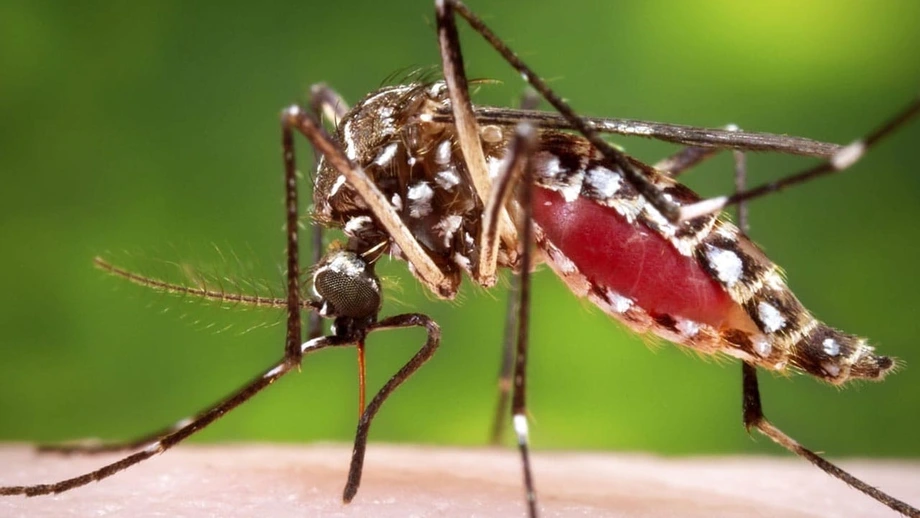
More Than 107,000 Cases as Six Days of Inspections Begin
Sri Lanka has recorded 107,829 dengue cases and 81 deaths in 2026, according to National Dengue Control Unit figures updated at midnight on November 8. A special prevention programme beginning on November 9 will cover 74 Medical Officer of Health divisions and continue through November 14, bringing inspection teams and cleaning campaigns to areas considered at risk of an outbreak.
Contents
- More Than 107,000 Cases as Six Days of Inspections Begin
- July Remains the Peak, With New Cases Continuing in November
- Where the Largest Numbers Are Concentrated
- Why the Figures Include 37, 74 and 130 Health Divisions
- What Inspection Teams Will Do
- Who Is Taking Part in the Campaign?
- What the Programme Is Trying to Change
- Key Points
The Ministry of Health and Mass Media declared the special national dengue prevention week for November 9 to 14, 2026, covering 74 Medical Officer of Health divisions. Senior Assistant Secretary (News and Publicity) Lakshmendra Damayanthakumara Tennakoon made the announcement on behalf of the ministry. The programme was initially scheduled for November 2 to 7 but was rescheduled due to adverse weather conditions.
Gampaha district has the largest number of recorded infections, with 22,502 cases, followed by Colombo with 20,799 and Kandy with 8,803. Western Province accounts for 55,824 cases, or 51.77% of the national total. That means more than half of all recorded infections are concentrated in one province.
The programme will focus on finding and removing places where mosquitoes breed, including abandoned properties and premises without an identifiable owner. Schools, universities, religious institutions and pirivenas, institutions providing Buddhist religious education, are also scheduled for special cleaning activities.
Dr. Kapila Kannangara, acting director of the National Dengue Control Unit, said the unit was monitoring dengue cases and mosquito breeding indices to prevent a potential outbreak. He also said mosquito larvae densities were increasing rapidly in around 130 health divisions. Larvae are the young, water dwelling stage of mosquitoes, so their numbers help health teams identify places where mosquito populations are growing.
The operation brings together health officials, public administration bodies, police, the armed forces and volunteers. A dedicated operations room will monitor daily activity during the six days, linking local inspections and cleanup work with national coordination.
July Remains the Peak, With New Cases Continuing in November
July recorded 29,964 dengue cases, the highest monthly total of the year. That single month accounts for about 27.8% of the 107,829 cases recorded through November 8, showing how heavily the annual total was shaped by the July surge.
October recorded 5,533 cases. Another 1,577 were recorded during the first eight days of November, following 1,399 in the first seven days. The November figures show that infections are continuing as authorities begin the prevention campaign.
A simple comparison helps put those numbers in context. October averaged about 178 recorded cases a day, calculated from 5,533 cases over 31 days. November 1 to 8 averaged about 197 a day, calculated from 1,577 cases over eight days. The opening days of November therefore had a higher daily average than October, while July remained far above both, averaging about 967 cases a day.
The key dates in the surveillance figures and prevention programme are:
- July 2026: Sri Lanka records its highest monthly total of the year, with 29,964 cases.
- October 2026: Authorities record 5,533 cases.
- November 1 to 8: Another 1,577 cases are recorded.
- Midnight on November 8: The national total reaches 107,829 cases and 81 deaths.
- November 9 to 14: The special prevention programme covers 74 health divisions.
Where the Largest Numbers Are Concentrated
Gampaha and Colombo together account for 43,301 cases. That is about 40.2% of the national total, calculated from the two district figures and the national count of 107,829. Their combined burden makes these neighbouring districts central to the country's dengue response.
Kandy, with 8,803 cases, ranks third among the districts identified by the National Dengue Control Unit. Together, Gampaha, Colombo and Kandy account for 52,104 cases, or about 48.3% of all recorded infections.
At provincial level, Southern Province has recorded 15,253 cases and Central Province 11,100, compared with Western Province's 55,824. Western Province's total is therefore more than twice the combined 26,353 cases recorded in Southern and Central provinces.
District totals help show where the largest numbers of patients have been recorded. The prevention campaign operates at a more local level, through Medical Officer of Health divisions. These are public health administrative areas where teams organise activities such as disease prevention, inspections and community health work.
Why the Figures Include 37, 74 and 130 Health Divisions
The National Dengue Control Unit identified 37 Medical Officer of Health divisions as high risk in its case update, while the prevention programme announcement specifies 74 divisions at risk of an outbreak. The unit did not explain how the two groups relate to each other.
Kannangara's warning about rapidly increasing larvae densities covers a wider area, around 130 divisions. That figure concerns mosquito breeding conditions, while the other figures describe areas identified as high risk or selected for the organised campaign.
Mosquito breeding indices are measurements used to track breeding activity. In practical terms, health teams look for evidence that mosquitoes are reproducing, including larvae in water holding places. Rising larvae densities give officials a reason to intensify inspections and remove breeding sites.
The unit said concern about a potential outbreak was based on previous infection trends, mosquito breeding indices and changing weather conditions. Its response therefore combines the patient figures already recorded with monitoring of conditions that can support further mosquito breeding.
What Inspection Teams Will Do
Joint dengue inspection teams will be deployed across the selected divisions to identify and eliminate mosquito breeding sites. Their work will include inspecting and cleaning abandoned premises and properties without an identifiable owner, where routine maintenance may be difficult to arrange.
Dengue spreads through the bite of an infected mosquito. Removing places where mosquitoes reproduce is a way to reduce opportunities for transmission. The campaign's emphasis on breeding sites means its work extends beyond treating people who have already become ill.
Schools, pirivenas, universities and religious institutions will receive special cleaning programmes. These activities put institutions used by students, staff and worshippers within the organised prevention effort, alongside the inspection of neglected properties.
The announced work includes coordination across the participating health divisions. Local teams will need to connect inspections with the removal of breeding sites, while the operations room tracks what is being carried out each day through November 14.
Who Is Taking Part in the Campaign?
The National Dengue Control Unit will work with the Ministry of Public Administration, Provincial Councils and Local Government, the Clean Sri Lanka Secretariat, Sri Lanka Police, the three armed services and volunteer organisations.
That participation brings together organisations responsible for health, local administration, public institutions and operational support. The campaign includes both inspections and physical cleaning, with activities spread across different types of premises and multiple health divisions.
A dedicated operations room will monitor and supervise daily activities. This gives the programme a central point for following work across the 74 divisions during the announced period, while inspections and cleanup activities take place locally.
Media institutions have been urged to give the initiative wide publicity and share prevention awareness with the public.
What the Programme Is Trying to Change
The immediate aim is to remove mosquito breeding sites as new dengue cases continue to be recorded. The 1,577 cases registered during the first eight days of November show why the response is taking place before the month is far advanced, even though the year's largest monthly surge occurred in July.
For communities in the selected divisions, the programme means organised inspections of premises and cleaning at institutions they use. For public health teams, it means acting on two sets of information at once: where people are becoming ill and where mosquito breeding is increasing.
The 81 recorded deaths give the prevention effort particular urgency. By November 14, the scheduled campaign will have completed six days of coordinated activity. The National Dengue Control Unit is also continuing to monitor cases and mosquito breeding conditions as it works to prevent another outbreak.
Key Points
- Sri Lanka recorded 107,829 dengue cases and 81 deaths through midnight on November 8, 2026.
- A special prevention programme runs from November 9 to 14 across 74 Medical Officer of Health divisions.
- Western Province accounts for 55,824 cases, or 51.77% of the national total.
- Gampaha, Colombo and Kandy have the highest district case totals.
- July recorded 29,964 cases, the year's highest monthly total; November's first eight days added 1,577.
- Inspection teams will remove breeding sites and organise cleaning at abandoned premises, schools, universities and religious institutions.
- A dedicated operations room will monitor daily activities involving government bodies, police, the armed forces and volunteers.